























Negotiating with Iran Poses Significant Risks

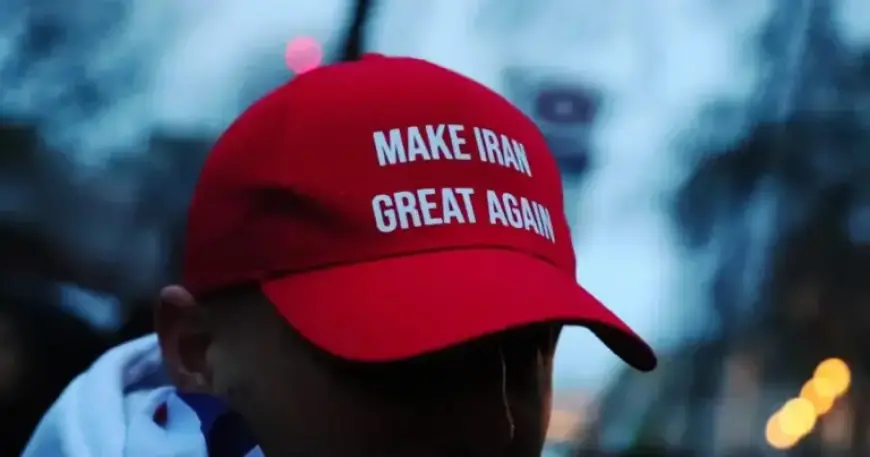
Protests in Iran have intensified amid severe economic challenges. On January 1, 2026, demonstrations erupted in Hamedan following a significant drop in the nation’s currency.
The Economic Crisis Prompting Protests
Shopkeepers in Tehran’s Grand Bazaar initiated the protests by closing their businesses. This move came in response to escalating economic conditions, marked by inflation and currency devaluation.
The Currency Decline
- Iran’s currency has sharply depreciated.
- Economic instability is driving public discontent.
The situation in Iran reflects broader geopolitical tensions, with negotiations over nuclear issues posing substantial risks. These negotiations have not only impacted international relations but have also led to unrest among the Iranian populace.
Implications of Negotiating with Iran
The challenges of negotiating with Iran are significant. The potential for escalated tensions could further exacerbate the already strained economy. As diplomatic discussions continue, the Iranian people await concrete solutions to their pressing economic problems.
Key Events
- January 1, 2026: Protests begin in Hamedan.
- Shopkeepers in Tehran’s Grand Bazaar close businesses.
As Iran grapples with these challenges, the outcome of ongoing negotiations will be critical. The international community must approach these talks with caution to minimize risks and ensure stability in the region.