

























Trump Administration Eases Process for Firing 50,000 Federal Workers

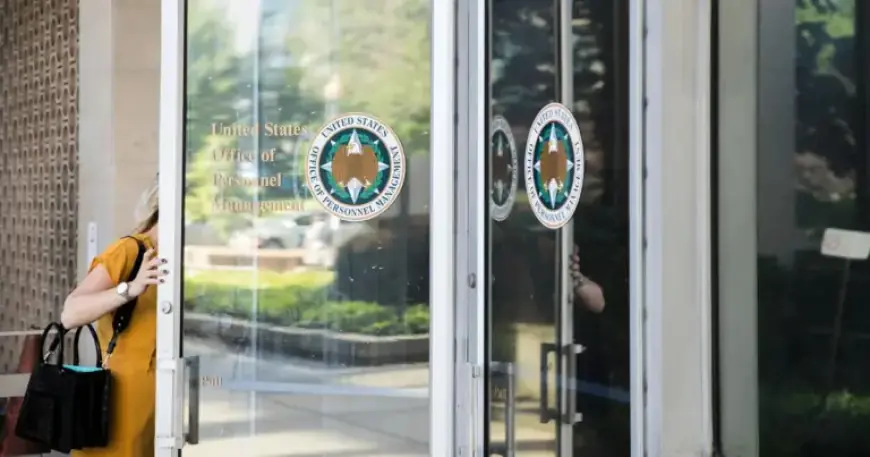
The Trump administration has taken significant measures to change job protections for federal workers. On a recent Thursday, the Office of Personnel Management (OPM) announced a new rule that could affect up to 50,000 federal employees. This regulation enables the administration to broaden the classification for high-ranking officials involved in executing presidential policies. As a result, these employees will no longer be protected under traditional firing protocols.
Details of the New Rule
The alteration reclassifies long-standing career employees, who previously benefited from strong job protections. Historically, these workers could appeal their firing decisions to an independent board. Under the new designation, they are at risk of being treated like political appointees, who can be dismissed with relative ease.
Supporters’ Perspectives
Supporters of the rule, including OPM Director Scott Kupor, argue that this change represents crucial civil service reform. Kupor stated that the reform aims to enhance accountability, boost performance, and support a merit-based federal workforce. He assured that the rule will maintain merit-based hiring, veterans’ preferences, and protections for whistleblowers.
- The rule prohibits political patronage and discrimination based on loyalty.
- It does not alter existing reduction-in-force laws.
Criticism from Advocacy Groups
Federal workforce advocacy organizations have sharply criticized the new rule. Many argue that it undermines merit-based professionalism and opens the door for political bias. The Partnership for Public Service expressed concerns, stating the new classification could lead to the dismissal of expert career employees.
The American Federation of Government Employees warned that the rule invites political patronage and could adversely affect free speech among federal employees. They indicated that workers under the new classification could be fired “at will” without the procedural safeguards previously in place.
Reactions from Administration Officials
White House press secretary Karoline Leavitt expressed that the change was positive. She stated that employees who do not perform their duties effectively should not remain in their positions. This sentiment reflects a broader strategy to reshape the federal workforce.
Historical Context
This rule change follows Trump’s previous executive order known as “Schedule F,” which aimed for a similar reclassification. Although President Joe Biden rescinded the order, Trump reinstated it in the subsequent year. The administration has actively worked to reduce the size of the federal workforce; since Trump resumed office, data indicates that over 242,000 employees have departed the government.
The implications of this rule will continue to unfold as critics and supporters observe its impact on the federal workforce moving forward.