

























Healthscope Transitions to Nonprofit After Private Equity Bid Rejection

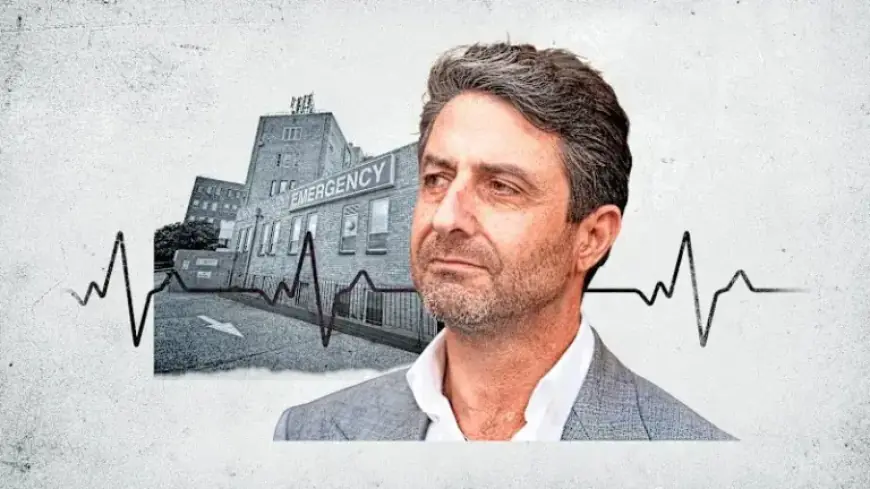
Healthscope, Australia’s second-largest private hospital operator, is undergoing a significant transition. Following a rejection of a private equity offer, it will now operate as a not-for-profit entity. This decision comes after the company’s financial struggles led to its collapse last year.
Transition to Not-for-Profit Status
A group of lenders, owed $1.7 billion, approved the plan to retain Healthscope’s operations as not-for-profit. This announcement marks a critical turning point led by CEO Tino La Spina, who is focused on ensuring the sustainability of all Healthscope hospitals.
Financial Context and Impact
The receivers, managed by McGrathNicol and led by Keith Crawford, emphasized that this transition aligns with the charitable purpose of health care. “This is the only way to keep all hospitals open and secure jobs,” Crawford stated.
- Healthscope’s financial collapse was triggered by a failed agreement with private equity owners.
- Last November, La Spina warned of potential closures due to lack of buyer interest in some hospitals.
- Employment and patient care could have been significantly impacted had the transformation not occurred.
Operational Changes and Future Outlook
This new not-for-profit model allows Healthscope to eliminate certain costs, such as payroll taxes, which were estimated to be as high as $100 million annually. La Spina described the change as transformative, aimed at enhancing patient care through reinvestment into facilities and services.
As part of the restructuring, the organization has already secured $190 million from the New South Wales government. This funding came after the termination of a public-private partnership concerning Sydney’s Northern Beaches Hospital, which will transition to public management.
Challenges Ahead
Despite these positive developments, challenges remain. Receivers have to navigate the complexities of existing leases that contributed to Healthscope’s financial issues. The economic climate indicates that lenders may recover only 50 cents on the dollar owed.
- High levels of debt and stagnant interest from buyers were significant contributors to the collapse.
- Major changes in patient care preferences shifted focus toward at-home care, reducing hospital stays.
In summary, Healthscope’s shift to a not-for-profit model represents hope for the sustainability of its hospitals and the broader Australian health care system. The focus is now on improving patient outcomes while securing the future of its workforce.