





















Bad Bunny’s Halftime Show Backlash Highlights MAGA’s Impact on American Identity

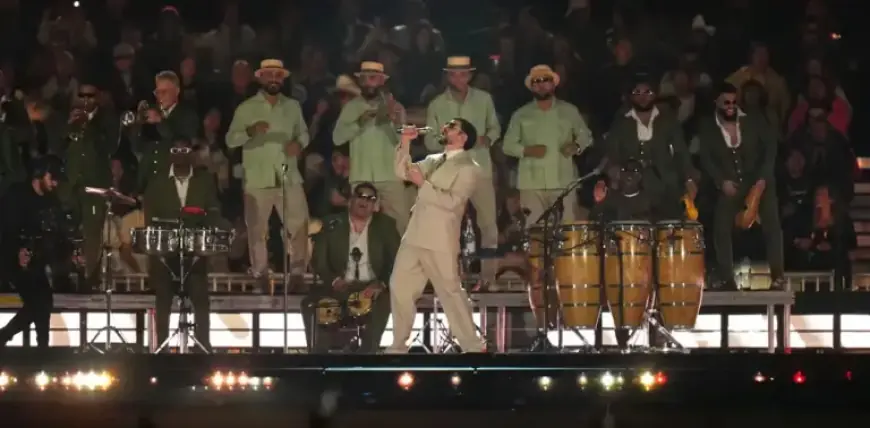
Benito Ocasio, known as Bad Bunny, has made a significant impact on the music industry in recent years. The Puerto Rican artist has challenged the predominance of English-language music, becoming Spotify’s most streamed artist globally, a title he has achieved four times. His album, DeBÍ TiRAR MáS FOToS, made history at the 2026 Grammy Awards, as he became the first artist to win Album of the Year for a Spanish-language record.
Controversy Surrounding the Super Bowl Halftime Show
Despite his groundbreaking achievements, Bad Bunny’s performance at the Super Bowl halftime show has faced backlash. This criticism is particularly strong among supporters of the MAGA (Make America Great Again) movement. Historically, the U.S. has marginalized Latino contributions to national identity. Bad Bunny’s participation in this widely viewed event reflects ongoing tensions surrounding who qualifies as “American.”
MAGA Politics and American Identity
Under the MAGA agenda, the concept of belonging in the U.S. is tightly defined. Issues of race, language, and political viewpoints contribute to who is considered deserving of protection and inclusion. Conservative commentator Tomi Lahren asserted that Bad Bunny is “not an American artist.” U.S. Secretary of Homeland Security Kristi Noem even threatened to deploy ICE to the Super Bowl, showcasing the administration’s immigration stance.
Historical Context of Latino Exclusion
The struggles faced by the Latino community are not new. In 1936, the U.S. government forcibly removed up to two million individuals of Mexican descent, many of whom were citizens. More recently, from January to October in 2025, ICE detained approximately 170 American citizens, including vulnerable populations like children and pregnant women.
Historically, the Mexican-American War (1846-48) contributed to the racialization of Latinos as outsiders within their own country. Arizona’s ethnic studies ban from 2010 to 2016 exemplifies this ongoing narrative. Such policies restrict not only physical movement but also shape the national story of identity in the U.S.
The Puerto Rican Experience
Poor political representation further compounds this issue for Puerto Ricans. As a U.S. territory, they cannot vote for president and have no voting representation in Congress. The aftermath of Hurricane Maria in 2017 illustrated this neglect, with nearly 3,000 Puerto Ricans dying while waiting for assistance, starkly contrasted by the fewer deaths in hurricanes hitting Florida and Texas.
Advocacy and Activism
Bad Bunny has been an outspoken advocate for Puerto Rico, even canceling a European tour in 2019 to protest against the Puerto Rican governor’s remarks. He has also taken a stand against ICE actions by suggesting that his tours exclude U.S. dates to protect fans from the agency.
In addition to his political activism, Bad Bunny has shown support for the LGBTQ+ community. For instance, he wore a skirt on a major talk show in 2020 to honor the memory of a transgender woman murdered in Puerto Rico. His approach to inclusiveness is often perceived as challenging the narrow definitions of national identity promoted by the MAGA movement.
The Political Nature of Entertainment
The Super Bowl halftime show has increasingly become an arena for political expression. While some maintain that it has been politicized, entertainment has always had inherent political implications. Decisions about performers signify larger societal issues of who belongs in America.
Conclusion
The cultural landscape of the U.S. is diverse, and Bad Bunny’s influence extends beyond music. His presence at the Super Bowl halftime show serves as a reminder of the broader debates about identity and belonging in America. As the country navigates its cultural dynamics, figures like Bad Bunny push back against restrictive notions of American identity.