
























Judge Criticizes Tony Abbott’s ‘Misconceived’ Social Media Post

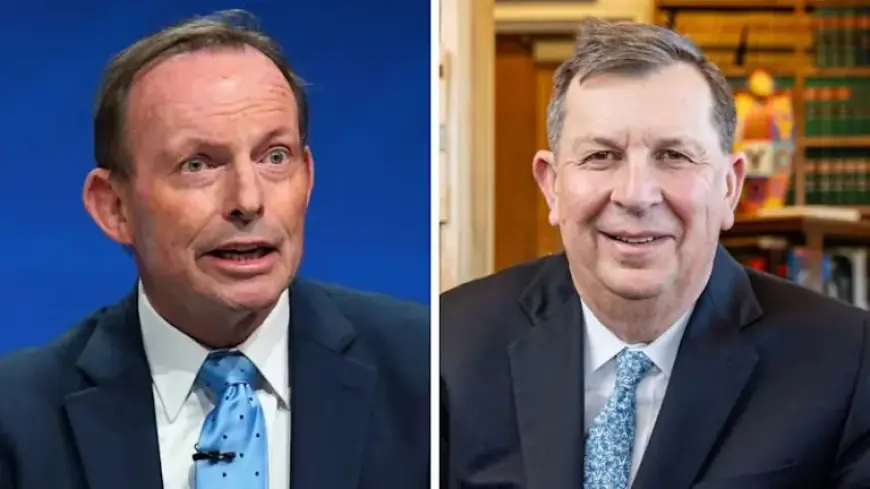
The ongoing discourse about judicial decisions has come into sharper focus following remarks made by New South Wales Chief Justice Andrew Bell. In a recent address, he criticized former Prime Minister Tony Abbott’s social media commentary regarding the judiciary, labeling it ‘misconceived’.
Concern Over Public Discourse
During a dinner to launch the new law term, Bell expressed his concerns about the negative implications of public criticism directed at judges. He specifically warned against comments that reveal a lack of understanding of legal principles, emphasizing their potential to erode trust in the judicial system.
Judicial Integrity Under Attack
Bell highlighted instances where some judges have faced targeted criticism, detailing that two Supreme Court judges had even received death threats in the past 18 months.
He reiterated that such threats stem from the escalating rhetoric found in media and social platforms, particularly in relation to decisions made on bail applications and public assemblies.
Tony Abbott’s Critique
Abbott’s remarks came following a decision by Supreme Court Justice Belinda Rigg, who denied a police request to prohibit a pro-Palestine march across the Sydney Harbour Bridge. Abbott contended that judges should not dictate the justification for political protests, suggesting that closures of public spaces for such events should be the prerogative of elected officials.
Judicial Responsibility
Bell countered Abbott’s assertions, stating that the judge’s ruling was based on statutory law and not a political judgment. He highlighted several key points:
- The judge’s decision did not address the justification of the protest.
- The authorities had already decided to close the Sydney Harbour Bridge, independent of the court’s ruling.
- The legal framework entrusted the decision to the courts, which were exercising their recognized authority.
- Public safety considerations and the constitutional right to assembly were critical in the judge’s decision-making process.
Implications for Judicial Trust
Bell cautioned that attacks on judicial decisions that are based on misunderstandings contribute to a culture of misinformation. This can diminish public confidence in the judiciary and ultimately affect the rule of law.
Moreover, Bell noted that the decisions about bail and public protests deserve scrutiny, but should not be subject to misinterpretation or personal attacks that overlook the legal complexities involved.
As this discourse continues, Bell’s remarks serve as a reminder of the delicate balance between free speech and the respect required for judicial processes, emphasizing the need for informed discussion rather than unfounded criticism.