






















Discover Protest Songs Beyond the Pop Stars: An NPR Insight

Protest music transcends ephemeral trends and mainstream pop culture. It resonates deeply with the social and political climate, often emerging from grassroots movements instead of award shows. At recent events like the Grammy Awards, the search for authentic protest songs beyond pop stars highlights a significant distinction in how music reflects societal struggles.
Emergence of Political Voices in Music
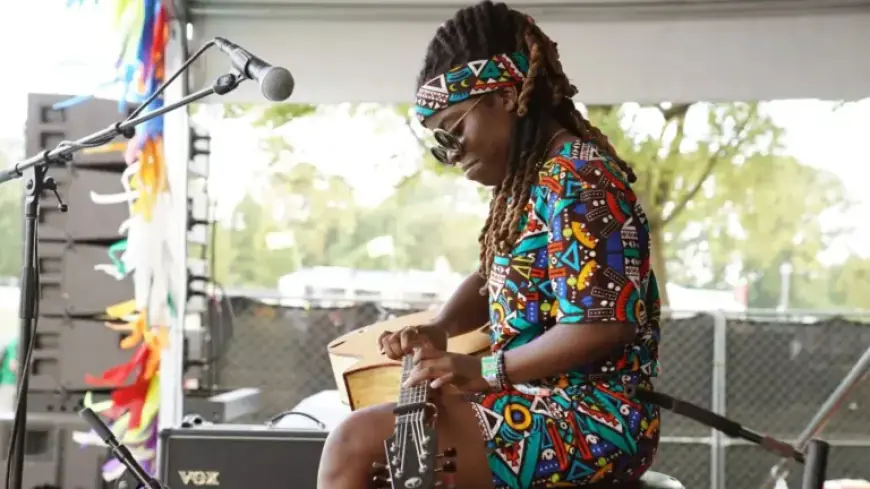
Notable artists like Bad Bunny and Yasmin Williams demonstrate how music can effectively channel protest. Bad Bunny used his Grammy speech to advocate for immigrants, stating, “ICE out,” and showcasing the political power of his platform. His album, “DeBÍ TiRAR MáS FOToS,” merges infectious Latin rhythms with messages of resistance, addressing themes like American imperialism and gentrification.
Historic Context of Protest Songs
- Historical Roots: The protest song tradition spans genres, from folk to hip-hop. Iconic figures like Bob Dylan and Bruce Springsteen have set the precedent for politically charged music.
- Contemporary Artists: Mavis Staples and Jesse Welles represent a new wave of protest artists. They use their platforms to comment on current events while focusing on local communities.
- Grassroots Engagement: Organizations and independent artists often prioritize activism over mainstream recognition, creating music that resonates with specific struggles.
Gender Dynamics in Protest Music
The landscape of protest music is often male-dominated. However, women like Crys Matthews and Carsie Blanton play crucial roles in advocating for social change through music. Their contributions highlight the importance of inclusivity in the narrative surrounding protest songs.
- Women in Music: Female artists frequently address sociopolitical issues from a personal and communal perspective, contrasting traditional notions of a protest song.
- Community Over Individualism: The collective voice of women in protest music can be overlooked in mainstream discussions, despite their significant impact.
The Role of Social Media
Platforms like Instagram and TikTok provide avenues for artists to share their work and engage with fans. The immediacy of social media allows for rapid distribution of protest songs, fostering a more interactive relationship between artists and audiences.
Understanding Modern Protest Music
The essence of protest music today involves connecting deeply with issues impacting communities. Artists like Bruce Springsteen continue to contribute to this dialogue, illustrating how traditional rock can adapt while remaining relevant. His recent song, “Streets of Minneapolis,” resonates as both a homage and a call to action, reflecting the communal experiences of shared struggles.
Community and Activism
Protest music thrives in environments where artists interact directly with affected communities. Initiatives such as Brass Solidarity and Singing Resistance embody this spirit by creating soundtracks for movements on the ground level. The impact of these efforts often eclipses that of mainstream performances, emphasizing solidarity over spectacle.
In conclusion, the quest for genuine protest music extends beyond the Grammy stage. By recognizing voices from diverse backgrounds, the music industry can celebrate artists who reflect real-world struggles and enhance the cultural dialogue surrounding activism through song.