






















Matthew Stafford’s 2026 crossroads: Rams wait on his decision as contract, cap math loom

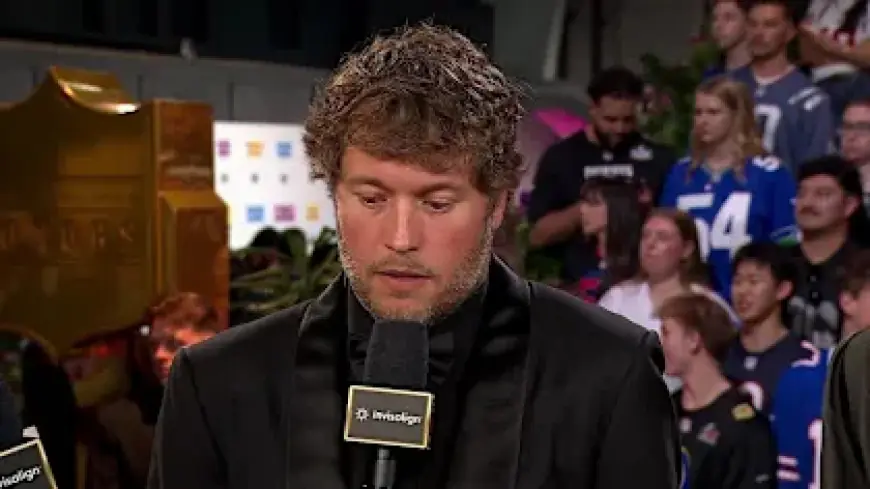
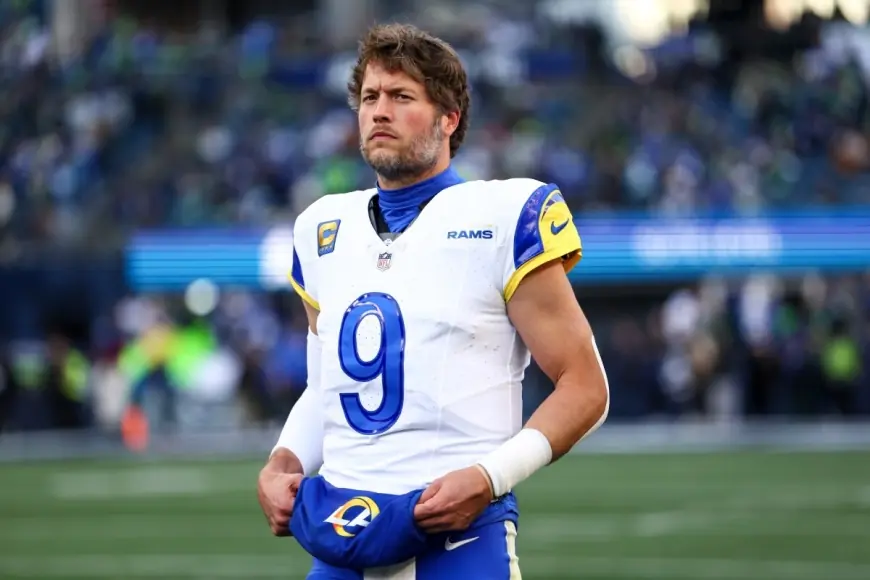
Matthew Stafford’s offseason has quickly become one of the NFL’s biggest unresolved storylines: whether the veteran quarterback returns to the Los Angeles Rams in 2026, and if so, on what financial terms. Team leadership has signaled it will give Stafford time and space to make the call, but the decision sits at the center of everything the Rams want to do next—free-agent planning, potential trade exploration, and how aggressively they push back toward another deep playoff run.
Stafford has not publicly committed to playing in 2026, and the Rams have not indicated they want to move on. The tension is timing: the league calendar pushes teams toward clarity well before spring roster-building accelerates.
What’s happening right now with Stafford
The Rams’ stance has been patient but pointed: they want a “win-win” outcome, and they’re allowing Stafford time to decide without dragging the process out indefinitely. That language typically signals two parallel realities: the team is prepared to keep him, and it understands that contract structure and future flexibility still matter.
For Stafford, the decision is less about proving he can still play—he just led a run that brought the Rams within two wins of a championship—and more about how his body, family, and long-term outlook align with another year of NFL punishment.
Health update: the back issue and why “no surgery” matters
A key piece of reassurance for Rams fans is that Stafford is not expected to need offseason surgery for a back issue described as an aggravated disc. Avoiding surgery doesn’t automatically mean the problem is trivial, but it does reduce the risk of a long rehab timeline and keeps the door open for a normal offseason ramp-up.
Practically, it changes the team’s posture. If surgery were likely, the Rams would have to prepare far more aggressively for a contingency plan at quarterback. With “no surgery” on the table, the team can treat 2026 planning as a Stafford-centered puzzle—unless he chooses otherwise.
Contract reality: why the cap number drives everything
Stafford is under contract through the 2026 season after the sides reworked his deal last year. The headline number hanging over the roster is his projected 2026 cap figure—roughly $48.3 million—a level that can restrict flexibility unless the team restructures the deal again.
Here’s the clean snapshot that frames the decision:
| Stafford–Rams 2026 snapshot | What it means |
|---|---|
| Under contract through 2026 | Rams control rights unless a trade/retirement happens |
| 2026 cap figure ~ $48.3M | Big pressure point for roster building |
| Restructure possible (again) | Easiest path to create cap room if Stafford returns |
| Decision timing matters | Rams need clarity before major spring roster moves |
If Stafford wants to play and the Rams want him back, a restructure is the most straightforward solution: it can lower the cap hit and keep the roster competitive around him. If Stafford is unsure—or wants a different arrangement—the team has to consider more drastic alternatives.
Retirement talk vs trade talk: what’s real and what’s noise
Two narratives are competing in public conversation:
-
Retirement speculation: This is fueled mainly by uncertainty, not a direct statement. Stafford hasn’t announced plans to retire, but he also hasn’t shut the door completely. When a veteran quarterback asks for time after a deep season, it naturally raises questions.
-
Trade speculation: This is the logical counterpoint. If Stafford returns, it likely stays in Los Angeles. If he doesn’t, the Rams would face a high-stakes quarterback vacuum and could explore trades, draft options, or a bridge veteran. Trade talk also persists because teams around the league are almost always hunting for stability at quarterback.
What’s important: no credible public update has confirmed that a trade request exists or that a specific deal is being negotiated. The Rams’ messaging reads more like “keep the partnership intact” than “prepare to move him.”
What the Rams’ offseason hinges on
If Stafford returns, the Rams’ priorities become clearer: build around a veteran window, keep the offensive core humming, and spend resources shoring up weak spots—especially in the secondary. If Stafford steps away, every plan changes at once: the draft becomes more urgent, free agency becomes more complex, and the roster timeline can tilt younger even if the rest of the team is ready to compete now.
Either way, the Rams can’t afford to drift too long without a direction. Quarterback decisions cascade into everything—cap structure, veteran signings, and even which players you can realistically keep.
What to watch next
The next meaningful signals aren’t rumors—they’re practical:
-
Whether Stafford makes a firm statement about playing in 2026
-
Whether the Rams move toward another contract restructure
-
Whether the team takes obvious “Plan B” actions at quarterback that suggest uncertainty
-
Whether Stafford is visible in offseason work as if preparing for another year
Until one of those changes, the safest read is simple: the Rams want Stafford back, Stafford is weighing the decision, and the contract math will determine how quickly the situation resolves.
Sources consulted: Reuters, NFL.com, Los Angeles Times, MarketWatch