





















Lakers trade for Luke Kennard, sending Gabe Vincent to Hawks before deadline

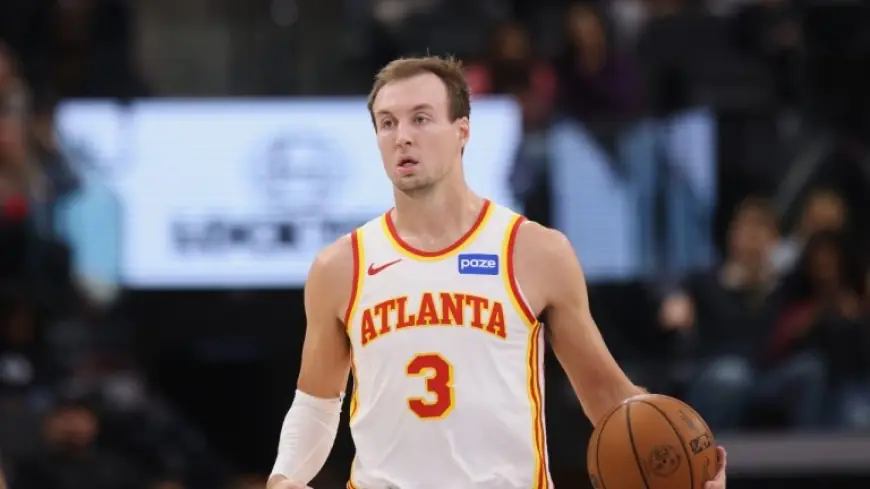
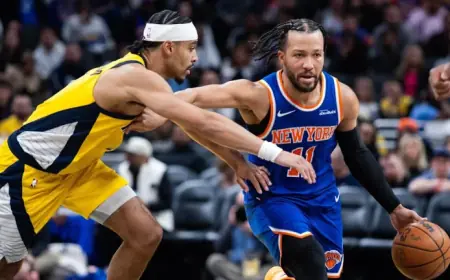
The Los Angeles Lakers made a targeted deadline move Thursday, Feb. 5, 2026 (ET), acquiring sharpshooter Luke Kennard from the Atlanta Hawks in a swap built around one clear need: reliable, high-volume three-point shooting. Atlanta received guard Gabe Vincent and a 2032 second-round pick, taking a short-term rotation piece while adding a future asset and preserving flexibility.
What the Lakers–Hawks trade includes
Los Angeles adds Kennard, 29, one of the league’s most efficient perimeter shooters this season. Atlanta takes back Vincent, 29, plus a future second-rounder. Both players are in the final year of their current contracts, making this a rare deadline swap that changes on-court fit without locking either team into long-term money.
| Player | New team | 2025–26 salary (approx.) | Contract status after season | Key skill this season |
|---|---|---|---|---|
| Luke Kennard | Lakers | $11.0M | Unrestricted free agent | Elite 3-point shooting (near 50%) |
| Gabe Vincent | Hawks | $11.5M | Unrestricted free agent | Guard defense, spot shooting, secondary handling |
Why the Lakers targeted Kennard
The Lakers’ offense has leaned heavily on rim pressure and star-driven creation, but spacing can tighten in high-leverage games when opponents load up in the paint. Kennard is a direct counter to that problem: he forces defenses to stay attached, punishes late help, and keeps the floor wide for drives and post touches.
Kennard’s value is also stylistic. He doesn’t need a high-usage role to matter. His gravity shows up even on possessions where he never shoots, because defenders are reluctant to stunt off him. That can improve the quality of everyone else’s looks without changing the team’s hierarchy.
What the Hawks get from Vincent and the pick
For Atlanta, this looks like a deadline efficiency play: turning a specialist shooter on an expiring deal into a different kind of guard plus a future pick. Vincent brings defensive competitiveness at the point of attack and a steadier, lower-variance profile than many bench scorers—useful traits for lineups that need structure.
The 2032 second-round pick is far enough out that it functions less like a “this season” chip and more like long-range flexibility: a future dart to package in later trades, or a low-cost swing in a future draft.
Kennard’s contract and what it means for summer plans
Kennard is on a one-year deal at about $11 million for 2025–26 and will be an unrestricted free agent this summer. That matters for the Lakers because the move can be treated as a clean, low-commitment upgrade: they get a high-end shooting specialist now without adding long-term salary.
It also sets up a straightforward decision in July. If Kennard fits well, the Lakers can attempt to retain him. If priorities shift, they can let the contract expire and keep flexibility. The trade is essentially a bet that better spacing is worth the cost of a future second and a rotation guard whose role had narrowed.
How Vincent’s exit reshapes the Lakers’ guard mix
Vincent’s strengths—on-ball defense, organized play, and occasional shot-making—fit best when he has a stable role and consistent health. In Los Angeles, injuries and a crowded guard rotation often made his minutes feel situational. Moving him opens a lane for the Lakers to define roles more cleanly while adding a specialist skill they can plug into almost any lineup.
The trade also subtly changes the Lakers’ late-game options. Kennard is a lineup-specific piece: he becomes most valuable when the Lakers want maximum spacing around their creators. That makes closing combinations more flexible, especially in matchups where the opponent’s help defense is aggressive.
What happens next for both teams
For the Lakers, the near-term focus is simple: integrate Kennard quickly and find him clean catch-and-shoot opportunities early so defenses have to respect him immediately. If he’s treated as a decoy, opponents will test whether the Lakers are willing to live with him as a real volume threat.
For the Hawks, the questions are about lineup balance and direction. Vincent can help stabilize guard minutes, but the bigger signal is the asset management: Atlanta extracted a future pick and preserved options at a time when many teams were paying premiums for shooting.
Sources consulted: NBA.com, Reuters, Associated Press, Basketball-Reference