























Guerschon Yabusele Lands With the Chicago Bulls in Dalen Terry Swap, Signaling a Frontcourt Reset at the 2026 Deadline

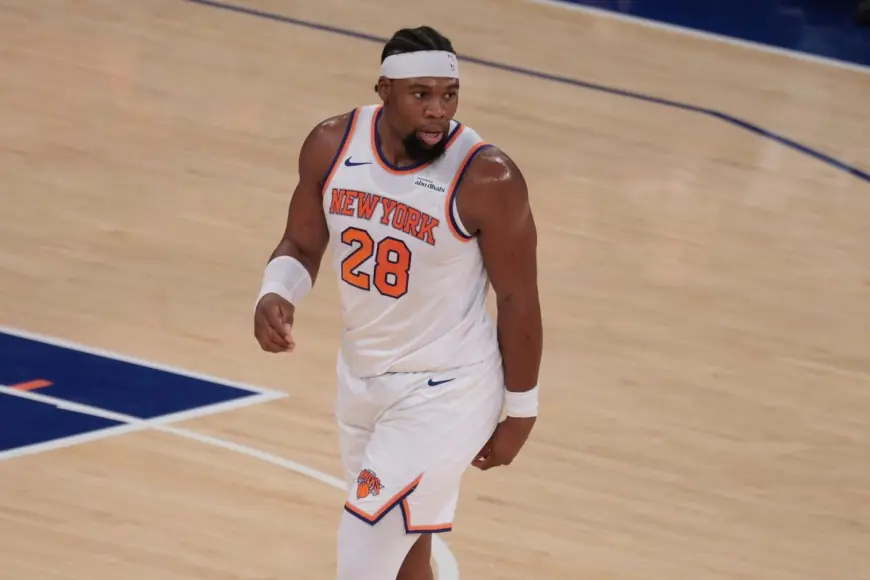
The Chicago Bulls added size and frontcourt flexibility at the NBA trade deadline by acquiring Guerschon Yabusele in a straight swap that sent Dalen Terry out of Chicago. The deal, completed on Thursday, February 5, 2026 ET, looks modest on the surface, but it reflects two teams making very different bets: Chicago choosing immediate physical depth in the paint-adjacent rotation, and the other side prioritizing a younger perimeter piece and cleaner roster math.
Yabusele’s arrival also comes with a twist that matters in today’s cap-tight league: the transaction paperwork around the move indicates his contract structure was adjusted around the same time, changing how his next season would be handled. For the Bulls, that turns this from a simple “add a body” move into a more flexible short-term play with multiple possible exits.
What happened: Bulls acquire Yabusele, move on from Dalen Terry
Chicago brought in Yabusele, a 6-foot-7, power-built forward who plays bigger than his height and has spent much of his career carving out value through strength, screening, and rebounding. Terry, a 23-year-old wing drafted in the first round in 2022, departs after never fully locking down a consistent role in a crowded Bulls rotation.
From a pure roster-construction view, this is a shape-shift trade: Chicago moves a developing perimeter defender for a sturdier interior-forward option who can soak up physical minutes and change the feel of second units.
Why Chicago did it: size, optionality, and a clearer nightly rotation
The Bulls have been searching for more stability in the middle of their rotation — the part of the roster that determines whether a team can survive non-star minutes, withstand foul trouble, and match up against larger lineups without overextending its starters. Yabusele offers three immediate “utility” traits that teams like Chicago tend to value in February:
-
Physicality in the frontcourt, especially in bench lineups that get bullied on the glass
-
A sturdier screen-and-roll presence that can free guards without requiring designed touches
-
The ability to play as a small-ball big or a bruising four, depending on matchup
If Chicago is trying to stay competitive while still keeping an eye on future flexibility, this kind of addition makes sense. You can give Yabusele situational minutes right away. If he works, you’ve improved. If he doesn’t, the team hasn’t sacrificed a centerpiece to find out.
Why Dalen Terry was moved: development runway versus deadline urgency
For Terry, the issue in Chicago was never a single fatal flaw. It was the lack of a clean lane. He’s the sort of player who can help a team — a willing defender, a connective passer, and a high-motor wing — but those profiles often need consistent reps to turn from “interesting” into “trustworthy,” especially on offense.
This season, Terry’s role remained limited, and the Bulls’ minutes economy didn’t provide enough room for a longer developmental leash. Deadline trades often punish players caught in that squeeze: good enough to be on an NBA roster, but not yet essential enough to block a veteran-style plug-in move.
The contract wrinkle: why Yabusele’s deal matters as much as his minutes
Yabusele arrived with a contract situation that adds strategic value. The transaction record around the move reflects a change that removes his next-season player option, which effectively shifts how both player and team can approach the summer.
For Chicago, the practical impact is leverage and flexibility:
-
If the fit is strong, the Bulls can explore keeping him through standard free-agency mechanisms without being locked into a pre-set option decision.
-
If the fit is mediocre, Chicago is less exposed to carrying an unwanted option year and can pivot more easily.
-
If the fit is poor, the Bulls can treat this as a short-term deadline rental without long-term salary drag.
That’s the behind-the-headline reason this trade isn’t just a swap of fringe rotation players. It’s a swap that gives Chicago more ways to adjust the roster after the season.
What Yabusele needs to prove in Chicago
Yabusele’s recent NBA stint did not produce the impact many expected, and that’s part of why he became available. For him, Chicago offers a chance to reset the narrative in a clearer role: be physical, defend, rebound, and keep possessions alive.
The questions that will define his Bulls run are straightforward:
-
Can he stay on the floor defensively without being targeted in space?
-
Can he finish efficiently and avoid empty offensive possessions?
-
Can he provide enough spacing or quick decision-making to keep lineups functional?
If he checks those boxes, he can become one of those deadline additions that quietly matters in March and April.
What happens next: realistic scenarios and triggers
-
Immediate rotation role
Trigger: Chicago needs frontcourt minutes quickly and Yabusele’s physicality translates right away. -
Matchup-only usage
Trigger: he becomes a specialist against bigger teams or bench units that punish smaller lineups. -
Short-term tryout, summer pivot
Trigger: Chicago uses the remaining season to evaluate fit, then chooses flexibility in the offseason. -
Terry finds a better lane elsewhere
Trigger: a new team gives him steadier minutes and a clearer role, allowing his development to accelerate.
Why it matters
This is the kind of deadline deal that rarely dominates headlines but often reveals a team’s real priorities. Chicago chose size and near-term utility, while also keeping its options open for the summer. Yabusele gets a chance to redefine his NBA value in a role built around tangible contributions. Terry gets a fresh start away from a roster that never quite made him a nightly necessity.
The next few weeks will show whether this was simply cap-and-rotation housekeeping — or a small trade that meaningfully reshapes how the Bulls survive the minutes when the stars sit.