





















Kristaps Porzingis to the Warriors: Golden State Swaps Jonathan Kuminga and Buddy Hield in a Deadline Pivot as Injury Questions and Contract Stakes Loom

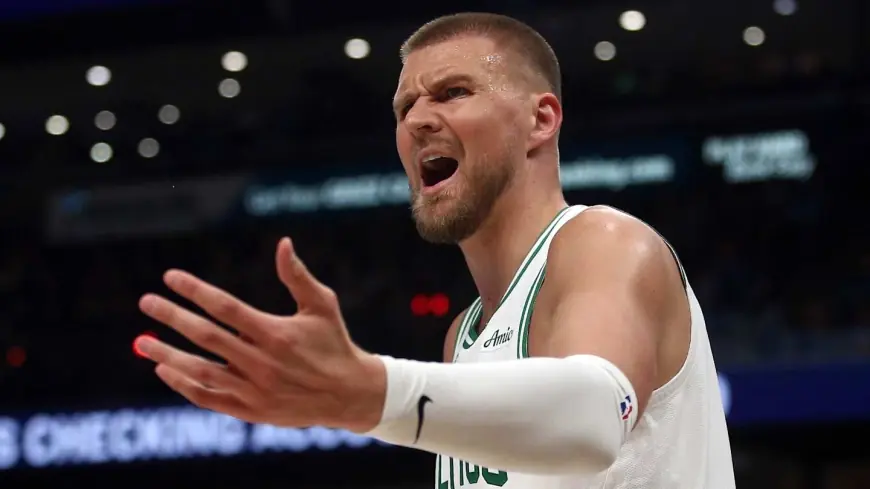
The Golden State Warriors made their loudest deadline bet on February 5, 2026 ET, acquiring Kristaps Porzingis in a trade that sends Jonathan Kuminga and Buddy Hield to the Atlanta Hawks. It’s a classic win-now swing: Golden State upgrades size, rim protection, and floor spacing at the five, while Atlanta picks up a young athletic forward with upside plus a proven shooter to stabilize its rotation.
But the trade’s real drama is not just fit. It’s timing. Porzingis arrives with a significant health question mark after missing time recently, and he’s also on an expiring deal worth roughly $30.7 million this season. That puts his availability, and his next contract decision, at the center of the Warriors’ season.
What happened in the Warriors trade
Golden State’s headline move is straightforward: Porzingis in, Kuminga and Hield out. The Warriors are effectively trading two perimeter/wing contributors for a big man who can protect the rim, punish switches with shooting, and give Steve Kerr a different kind of “pressure point” in the half court.
For Atlanta, the deal reads like a retooling package with two immediate rotation pieces: Kuminga’s downhill athleticism and defensive potential, plus Hield’s spacing and veteran presence.
Is Porzingis injured right now?
The short answer: he has been sidelined recently, and his status has been managed carefully. Porzingis has not appeared in a game since January 7, 2026 ET, and the public designation around his absence has included illness-related language and “not with team” scheduling around the trade. He has also dealt with recurring lower-body issues over his career, including Achilles-related problems, and he has publicly discussed a condition that can contribute to fatigue and complicate return timelines.
The practical takeaway for Warriors fans is this: the trade is built on the assumption that Porzingis is close enough to play soon to matter in the standings race. Golden State expects to integrate him quickly, but his first week with the team is as much about medical clearance and conditioning as it is about playbook pages.
Why the Warriors did this: a roster problem the trade tries to solve
Golden State’s biggest on-court issue has been a familiar one: consistent size and reliable interior impact, especially in matchups where small-ball lineups get punished on the glass or at the rim. Porzingis changes those matchups immediately when healthy.
He offers three things the Warriors have been chasing:
-
A true rim protector who can anchor defensive possessions
-
A pick-and-pop big who stretches the floor and opens driving lanes
-
A taller scoring option who can punish switches and smaller defenders
This is also a signal about priorities. Moving Kuminga is an admission that his role never fully stabilized in Kerr’s rotation. He flashed, but the nightly fit and the long-term timeline did not always align with what Golden State needs right now.
What Atlanta is really buying: Kuminga’s runway and Hield’s spacing
Atlanta’s side is about optionality and timeline. Kuminga is young enough to grow into a larger offensive role, and a change of scenery often matters for players who oscillate between starter-level flashes and uncertain rotation minutes. Hield is the cleanest plug-in: he spaces the floor, keeps defenses honest, and gives coaches a reliable archetype to build lineups around.
If Atlanta is building toward the next iteration of its core, this trade adds two tools that can either become long-term pieces or be moved again later.
Porzingis contract: why the money matters as much as the minutes
Porzingis is essentially on an expiring deal at about $30.7 million for the 2025–26 season, which creates immediate pressure on both sides.
For the Warriors, the contract becomes a fork in the road:
-
If he plays well and stays healthy, they’ll face a real decision on whether to extend him or risk losing him in the offseason.
-
If health limits him, the trade can quickly shift from “upgrade” to “expensive gamble,” even if the fit is obvious on paper.
For Porzingis, the stakes are personal leverage. Strong late-season availability can raise his next contract outlook substantially. Another disrupted stretch can push teams to demand more protections, shorter terms, or lower annual value.
Warriors depth chart: what changes right away
Assuming Porzingis is available soon, Golden State’s rotation math changes in predictable ways:
-
Porzingis becomes the primary starting center option in many matchups, especially against teams with size.
-
Draymond Green’s minutes can shift back toward more natural defensive roles rather than constant emergency center duty.
-
The Warriors can play more “two-big” looks in short bursts, or keep the same small-ball identity but with a rim-protecting counterpunch available.
The trade also removes two specific bench functions:
-
Kuminga’s athletic burst and transition pressure
-
Hield’s quick-trigger shooting gravity
That means Golden State will need other perimeter players to replace the lost spacing and downhill creation, especially in second units.
What we still don’t know
Several missing pieces will decide whether this deal becomes a turning point or a footnote:
-
When Porzingis will actually debut, and how many minutes he can handle immediately
-
Whether his body holds up through the physical grind of the final two months
-
How Kerr staggers lineups to keep enough shooting on the floor without Hield
-
Whether Kuminga blossoms with a larger role in Atlanta, changing how the trade is judged long-term
What happens next: 5 realistic scenarios with triggers
-
Porzingis plays quickly and looks like the missing piece
Trigger: he returns within days, holds up defensively, and shoots efficiently in pick-and-pop actions. -
Porzingis returns, but minutes are tightly managed
Trigger: conditioning and knee/Achilles maintenance lead to careful rest and reduced back-to-backs. -
The Warriors’ spacing dips before it rebounds
Trigger: losing Hield’s gravity hurts initially until new rotations and shot profiles settle. -
Kuminga becomes a featured scorer in Atlanta
Trigger: consistent touches, more on-ball reps, and a clearer developmental mandate. -
Golden State treats Porzingis as a rental
Trigger: health volatility makes a long-term extension too risky, even if he helps in the playoffs.
The Warriors made their choice: raise the ceiling now, accept the medical uncertainty, and bet that Kristaps Porzingis can be healthy when the season gets tightest. The next update that matters isn’t a rumor—it’s his first real stretch of minutes in a Warriors uniform.