























Aurora borealis forecast tonight (ET): where you have the best odds

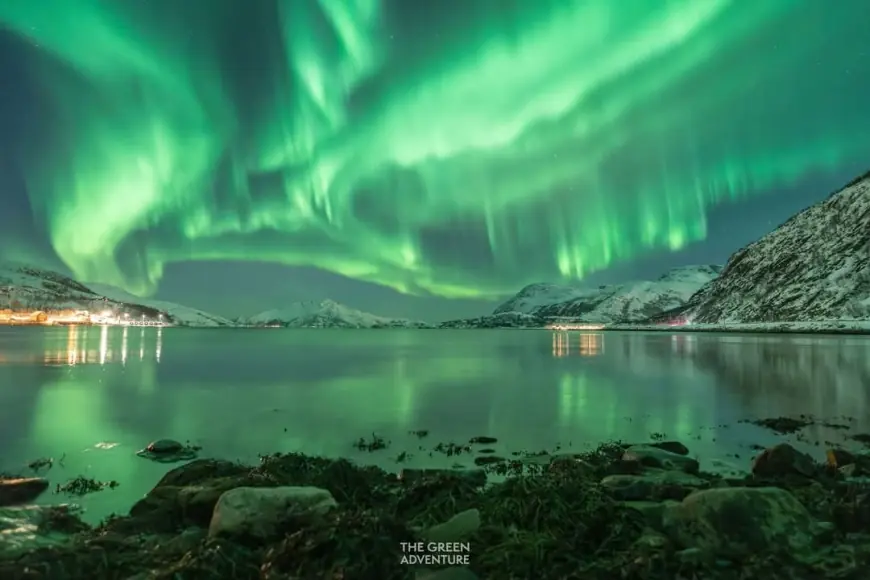
Tonight, Friday, Feb. 6, 2026 (ET), aurora activity is expected to be elevated but not extreme, in the minor-storm range at times. That typically means the northern lights are most reliable in high latitudes, with occasional dips farther south if the geomagnetic conditions intensify for an hour or two.
Best viewing window tonight
-
Primary window: 10:00 p.m.–2:00 a.m. local time (the classic “darkest + most active” stretch)
-
If you’re watching in U.S./Canada Eastern Time areas: prioritize 10:00 p.m.–2:00 a.m. ET
-
Activity often comes in bursts. If you don’t see anything at 10:30, check again at 11:15, 12:00, and 1:00.
Where you’re most likely to see it
Highest odds (often visible if skies are clear):
-
Alaska
-
Northern Canada (Yukon, Northwest Territories, Nunavut; also northern Alberta/Saskatchewan/Manitoba/Ontario/Quebec)
-
Northern Scandinavia (far north Norway/Sweden/Finland)
-
Iceland (especially away from city lights)
Decent odds (depends heavily on a stronger burst + clear skies):
-
Northern tier U.S.: Washington, Idaho, Montana, North Dakota, South Dakota, Minnesota, Wisconsin, Michigan (especially Upper Peninsula), Maine
-
Scotland / northern UK and northern coastal Europe during stronger intervals
Low odds (possible only if activity spikes well above “minor”):
-
Mid-latitude U.S. states (think farther south than the northern tier)
-
Most of continental Europe outside the north
Quick “go / no-go” checklist
To make tonight worth your time, you want all three:
-
Dark sky (get 20–40 minutes outside city glow)
-
Clear northern horizon (open field, lake, hilltop)
-
Patience + camera help (aurora can be faint to the eye)
If it’s faint, your phone may “see” it better:
-
Use Night mode or a 3–10 second exposure if your camera app allows it
-
Stabilize the phone on a railing or tripod
What to expect visually tonight
With this level of activity, typical displays are:
-
Pale green arcs low in the north
-
Slow-moving curtains during stronger bursts
-
Red tones are less common, but can appear briefly when conditions peak
If you tell me your city and country (or nearest major city), I can narrow this to a practical “step outside or don’t bother” call for your location tonight.
Sources consulted: NOAA Space Weather Prediction Center, SpaceWeatherLive, Environment and Climate Change Canada Space Weather, AuroraNotifier