























Laid-Off Washington Post Employees Rally Outside DC Headquarters After Major Cuts

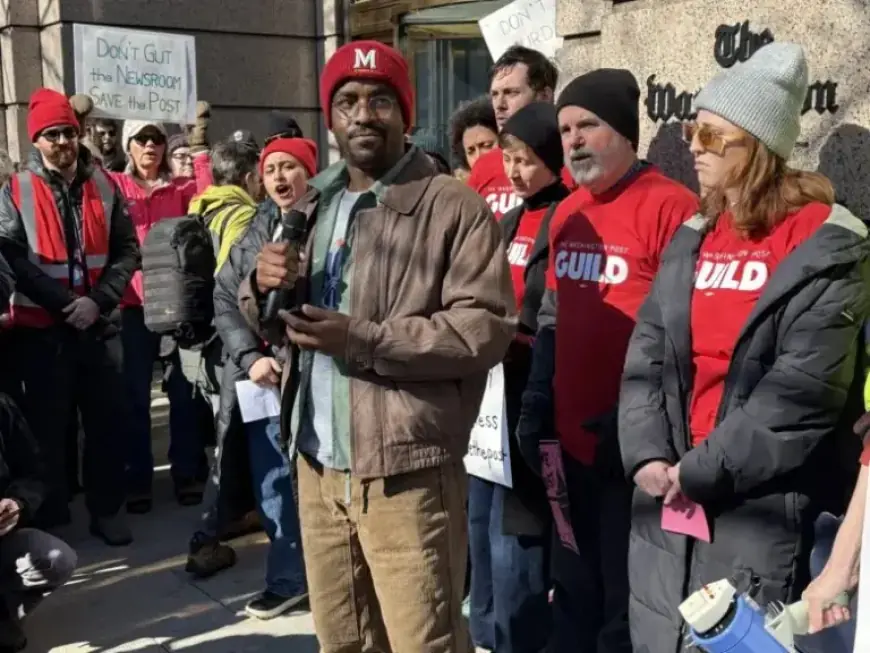
On February 5, 2026, a significant protest took place outside the Washington Post’s headquarters in downtown D.C. This event followed a major staff reduction, where the newspaper laid off approximately one-third of its newsroom. Former employees, alongside supporters, voiced their concerns regarding the implications of these cuts.
Impact of the Layoffs
The rally was organized by the Post News Guild and the Post Tech Guild unions. Attendees included former journalists and tech workers who highlighted the far-reaching effects of losing hundreds of colleagues.
Voices from the Ground
- Michael Brice-Saddler, a D.C. communities reporter, emphasized that the Metro section could no longer serve its audience effectively due to these reductions.
- Rachel Weiner, a former transportation reporter, expressed her distress, stating this round of layoffs felt uniquely harsh. She criticized the newspaper’s decision to lock out laid-off staff, preventing them from completing their final assignments.
- Former sports reporter Molly Hensley-Clancy remarked on the elimination of the entire sports department, calling it “heartbreaking” and essential for the identity of the publication.
Long-Term Consequences
Marissa J. Lang, an ex-enterprise reporter, warned that the repercussions of losing around 300 journalists would extend far beyond the newsroom. She insisted that the region and the nation are now worse off due to the absence of these dedicated reporters.
Support from Alumni
The rally also attracted former staff members, such as Kathryn Tolbert, who had spent 27 years at the Washington Post. She noted that the unique nature of these layoffs felt profoundly different, marking a pivotal moment in the newspaper’s history.
The protest highlighted the broader implications of the cuts at the Washington Post, as both current and former staff called attention to the vital role the newspaper plays in community journalism. Supporters rallied for the preservation of quality reporting as they mourned the loss of their colleagues.