

























Olympics Norovirus Scare Hits Women’s Hockey as Team Canada’s Schedule Gets Rewritten Before the First Puck Drop

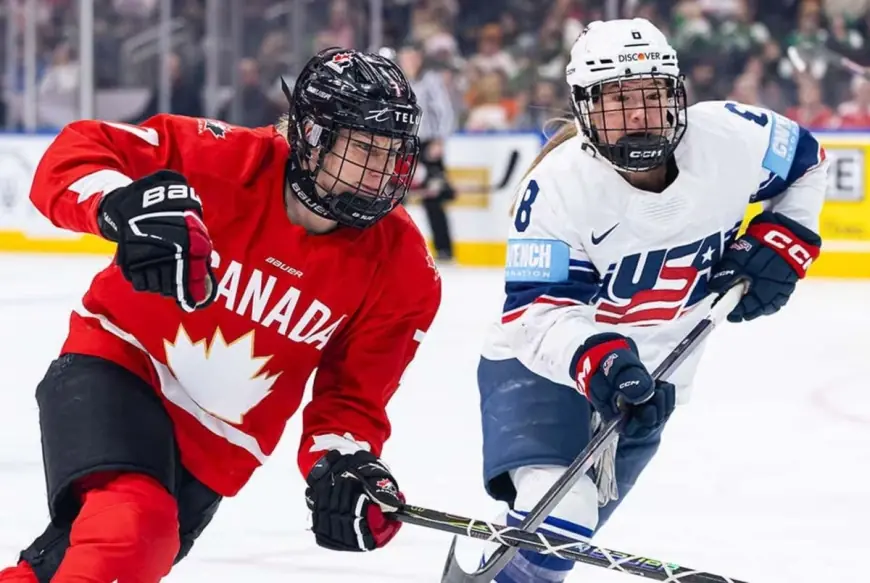
The Winter Olympics are barely underway and the first major disruption has already arrived: a norovirus outbreak inside Finland’s women’s hockey team has forced an immediate schedule change, postponing the tournament’s most anticipated opening-day matchup against defending Olympic champion Canada. The ripple effect is bigger than one game. It tests athlete health protocols, competitive fairness, and how quickly teams can pivot in a compressed Olympic tournament where rest days are precious and momentum matters.
What happened with norovirus at the Olympics
Finland’s women’s team was hit by a stomach illness consistent with norovirus symptoms late Tuesday into Wednesday, leaving the roster short-handed enough that officials decided the opening game against Canada could not be played safely or competitively. Players were placed in isolation or quarantine, and the matchup was moved off the first-day slate.
The postponement is an early reminder of a reality every Olympic village tries to manage: shared spaces, shared dining, shared transport, and extremely close contact across teams. In a sport like hockey—heavy breathing, constant collisions, tightly packed benches—an outbreak can spread fast, and even a small number of cases can make a lineup nonviable.
Team Canada women’s hockey schedule in Eastern Time
Canada’s women now enter the tournament with a slightly altered rhythm. Instead of opening against Finland, Canada’s first game becomes its previously scheduled matchup with Switzerland.
Here are the key Team Canada women’s hockey dates and times in Eastern Time:
-
Saturday, February 7, 2026 — Canada vs Switzerland — 3:10 p.m. ET
-
Monday, February 9, 2026 — Canada vs Czechia — 3:10 p.m. ET
-
Wednesday, February 11, 2026 — Canada vs United States — 2:10 p.m. ET
-
Thursday, February 12, 2026 — Canada vs Finland — 8:30 a.m. ET (rescheduled)
That rescheduled Finland game is the focal point: an early-morning ET start that could arrive after multiple days of uncertainty for Finland and a compressed recovery window.
Olympic women’s hockey: why this disruption is a competitive issue, not just a health story
In Olympic group play, the schedule is part of the challenge. Rest and recovery are strategic advantages. A postponement can cut both ways:
-
For Finland, the extra days can help players return, but the team also loses the normal rhythm of preparation and game flow.
-
For Canada, the shift changes scouting priorities and emotional pacing. Teams plan opening games like a launch sequence; removing the headline matchup can affect intensity and lineup decisions.
It also changes how other results are interpreted. In a short tournament, one weird week can tilt standings, seeding, and quarterfinal matchups.
Team Canada men’s hockey: when the tournament starts and Canada’s opener
The men’s Olympic hockey tournament begins Wednesday, February 11, 2026, with Canada’s first scheduled game the next day.
-
Thursday, February 12, 2026 — Canada vs Czechia — 10:40 a.m. ET
With the men’s tournament starting later, Canada’s men avoid the immediate norovirus disruption—but the broader lesson lands anyway: illness control is part of competitive preparation, not an afterthought.
What’s behind the headline: incentives, stakeholders, and why the decision was almost inevitable
Context matters. Norovirus is notorious because it can spread quickly and knock athletes flat in hours. The Olympic machine has strong incentives to keep events on schedule, but the incentives to postpone in this case were stronger:
-
Player welfare and basic safety
-
Competitive integrity (a depleted team is not a real test)
-
Outbreak containment (preventing spread to opponents and staff)
The stakeholders aren’t just the two teams involved. They include:
-
Tournament organizers who must balance fairness with a packed calendar
-
Other teams worried about exposure and competitive knock-on effects
-
Coaches and performance staff managing recovery, hydration, and return-to-play decisions
-
Fans and broadcasters recalibrating expectations around marquee games
Second-order effects can linger. An early outbreak can create a cautious, tightened environment—more isolation, fewer shared interactions, and increased stress—at the exact moment teams usually rely on routine and calm.
What we still don’t know
Several critical pieces remain unclear and will shape the next week of Olympic hockey:
-
How many Finnish players return in time for February 12 and in what condition
-
Whether any additional teams report symptoms after shared contact points
-
Whether the schedule shift creates a backdoor advantage or disadvantage in seeding
-
How aggressively teams change off-ice habits, from meals to media availability to travel timing
Until those answers settle, every hockey plan is provisional.
What happens next: realistic scenarios and triggers
-
Finland rebounds quickly and the rescheduled Canada game becomes the tournament’s first true measuring stick
Trigger: most players return and performance holds. -
Finland plays but is diminished, reshaping Group A dynamics
Trigger: key players return late or remain limited, leading to lopsided results that distort standings. -
Containment holds and the outbreak stays isolated
Trigger: strict protocols and no additional spread. -
More disruptions follow across the village
Trigger: new clusters appear, forcing further postponements or lineup crises.
Why it matters
Olympic hockey is usually decided by depth, goaltending, and special teams. This week adds a new variable: health logistics. The postponed Canada–Finland game is a headline because of star power and rivalry, but the deeper story is structural—how fragile Olympic competition can be when a fast-moving virus collides with a tournament built on tight schedules and razor-thin margins.