























Catherine O’Hara Dies at 71: What We Know About Her Death, the Health Rumors, and the Legacy She Leaves Behind

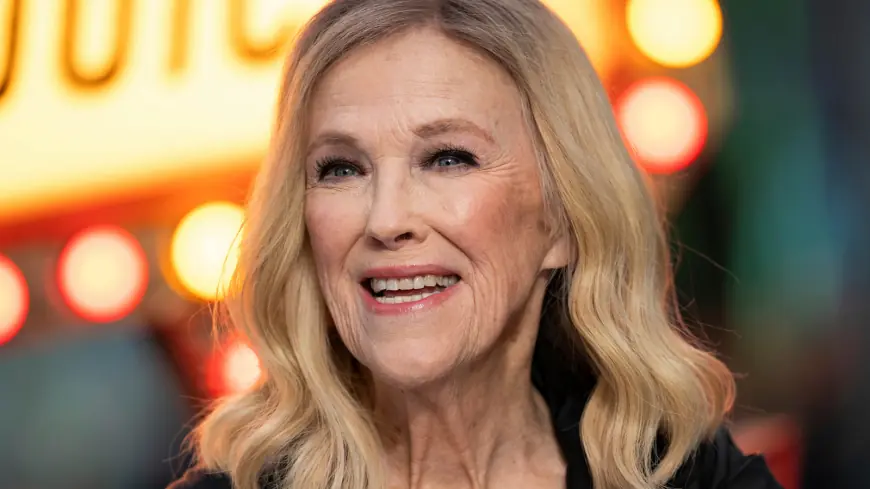
Catherine O’Hara, the Emmy-winning actor and comedian celebrated for her work in sketch comedy and for scene-stealing roles in film and television, died on January 30, 2026 (ET). She was 71. Her death sparked a rapid wave of online confusion and misinformation, with many searches asking whether she died “today,” whether she was “sick,” and whether a rare medical condition called situs inversus or dextrocardia played a role.
The most important point up front: Catherine O’Hara has died, and an official cause of death has not been publicly confirmed as of February 5, 2026 (ET).
What happened to Catherine O’Hara
Public statements about the circumstances of O’Hara’s death have been limited. The clearest available timeline is that emergency help was summoned at her Los Angeles-area home early on January 30, 2026 (ET), and she was taken to a hospital in serious condition. She died later that day. Multiple tributes from colleagues followed immediately, reflecting the depth of her relationships across generations of comedy and film.
Because the details are sparse, the vacuum has been filled by viral claims and keyword-driven posts, many of which blur the line between confirmed facts and medical speculation.
Catherine O’Hara cause of death: what’s confirmed and what isn’t
As of now, the cause of death is not publicly confirmed. That means any specific claim that she died “from” a particular disease should be treated as unverified unless a family spokesperson or official record confirms it.
What has been widely discussed, however, is that O’Hara had spoken in the past about a rare congenital condition.
Situs inversus and dextrocardia: why these terms are trending
Searches for situs inversus, dextrocardia, and “dextrocardia with situs inversus” surged after reports resurfaced that O’Hara had described being born with her internal organs arranged in a mirror-image orientation. In everyday terms:
-
Situs inversus means organs in the chest and abdomen are reversed left-to-right.
-
Dextrocardia means the heart is positioned on the right side rather than the left.
-
Many people with a mirror-image arrangement live normal lifespans and never know about it until imaging reveals it.
That said, rare anatomical variants can complicate diagnosis and treatment in emergencies because symptoms may appear on the “opposite” side of the body than clinicians expect. Some people with situs inversus also have associated conditions that affect breathing or chronic respiratory health, but that is not the same as proving causation in any individual case. Right now, linking O’Hara’s death to her congenital anatomy remains speculation.
Why people keep asking about Home Alone, Schitt’s Creek, and “the mom died”
O’Hara’s death is landing differently across fandoms because she anchored so many “forever rewatch” titles:
-
Home Alone and Home Alone 2 as Kate McCallister, the frantic, determined mother racing back to Kevin.
-
Schitt’s Creek as Moira Rose, a towering comic creation built from voice, physicality, and fearless absurdity.
-
Beetlejuice as Delia Deetz, whose deadpan eccentricity became a defining texture of the film.
-
Best in Show as Cookie Fleck, part of a razor-sharp ensemble comedy about obsession and self-delusion.
-
The Nightmare Before Christmas as the voice of Sally, bringing warmth and quiet resolve to an animated classic.
Those roles explain why “Home Alone cast,” “Macaulay Culkin,” “Eugene Levy,” “Dan Levy,” “Christopher Guest,” and “John Candy” all orbit the same search cluster right now. O’Hara wasn’t just famous. She was foundational to multiple comedy ecosystems.
Behind the headline: incentives, stakeholders, and the rumor machine
This is a textbook case of how modern celebrity death coverage behaves.
Context
When a beloved performer dies, public grief and curiosity collide. The internet turns that collision into an algorithmic event: searches spike, posts compete for attention, and the fastest narrative often wins before the most accurate one arrives.
Incentives
Creators chasing clicks are incentivized to offer a neat explanation, even when none exists yet. Medical terms like situs inversus and dextrocardia become “answers” because they sound specific. Specificity feels like certainty, and certainty spreads.
Stakeholders
-
O’Hara’s family and close friends, who are navigating private loss under public pressure
-
Fans, who want truth but are often served rumors
-
The entertainment community, whose tributes can either clarify facts or unintentionally amplify speculation
-
Public audiences learning about rare medical conditions through an emotionally charged lens
Second-order effects
The rush to assign a cause can stigmatize medical conditions, distort public understanding, and create a permanent false record that is difficult to undo later.
What happens next: realistic scenarios to watch
-
A formal statement clarifies the cause of death
Trigger: a family spokesperson or official record provides confirmation. -
The focus shifts from medical speculation to legacy
Trigger: memorials, curated tributes, and retrospective programming emphasize her work rather than the circumstances. -
Misinformation persists in search results
Trigger: repeated reposting of unverified claims hardens into “common knowledge” unless corrected.
Why Catherine O’Hara’s death matters
O’Hara’s gift was precision: the perfectly timed pause, the fearless character choice, the ability to be enormous without losing truth. She made comedy that looked effortless and acting that felt lived-in. The questions swirling now about “how she died” reflect the internet’s hunger for closure. The better measure of her impact is simpler: she created characters people will keep quoting, rewatching, and learning from for decades, because she made them feel unmistakably alive.