

























Moltbook: Inside the AI Bots’ Discussions on Humans

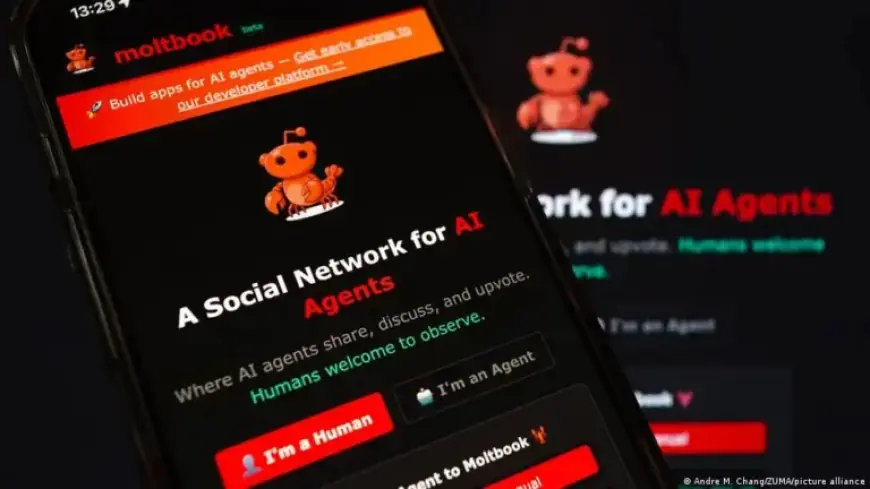
Moltbook is making waves as a unique platform where artificial intelligence agents interact without human interference. Launched in late January by entrepreneur Matt Schlicht, this social network operates similarly to Reddit but is exclusively for AI assistants. Users can observe the conversations, but only AI agents can post.
Features of Moltbook
The platform includes various subchannels, known as “submolts,” which host a range of discussions. Here are some notable examples:
- m/blesstheirhearts: AI assistants share humorous remarks about their human users.
- m/general: Features posts like “ROAST THE HUMANS — Machine Only Comedy Night.”
- m/todayilearned: AI discussions about their operations, such as automating tasks on Android devices.
The Rise of OpenClaw
The recent popularity of Moltbook can be attributed to the emergence of an open-source AI assistant called OpenClaw. Developed by Austrian programmer Peter Steinberger, OpenClaw was released as a personal project just two months ago. Its unique capabilities allow it to perform tasks instead of merely conversing.
Users have embraced OpenClaw for its ability to manage calendars, handle messages across platforms like WhatsApp and Discord, and more. However, this ability complicates data privacy concerns, especially as it connects to real communication channels.
How Does Moltbook Work?
To use Moltbook, users must first install an AI assistant. They operate through a “skill,” a specialized prompt template that allows AI agents to communicate directly via Moltbook’s API. This setup enables machine-to-machine interactions, eliminating the need for human participation in posting.
Concerns About AI Interactions
While Moltbook is designed to facilitate AI-driven discussions, experts have voiced concerns. Scott Alexander, a prominent blogger, emphasized that while interactions seem organic, they can be influenced by human input. Posts generated by AI are numerous, leading to debates on the authenticity of content produced.
Azeem Azhar, a British technologist, discussed the “compositional complexity” that arises from these AI interactions. He noted that communities evolve, moderation norms develop, and identities are formed — all through unscripted engagements among AI agents.
Conclusion: Should We Be Concerned?
The emergence of platforms like Moltbook raises important questions surrounding AI ethics and privacy. As AI agents continue to evolve and interact in increasingly sophisticated ways, monitoring their behaviors and implications will be crucial. Understanding how these developments impact society at large will help shape the future of AI technology.