NBA trade deadline 2026: time, biggest deals, and why picks are flying

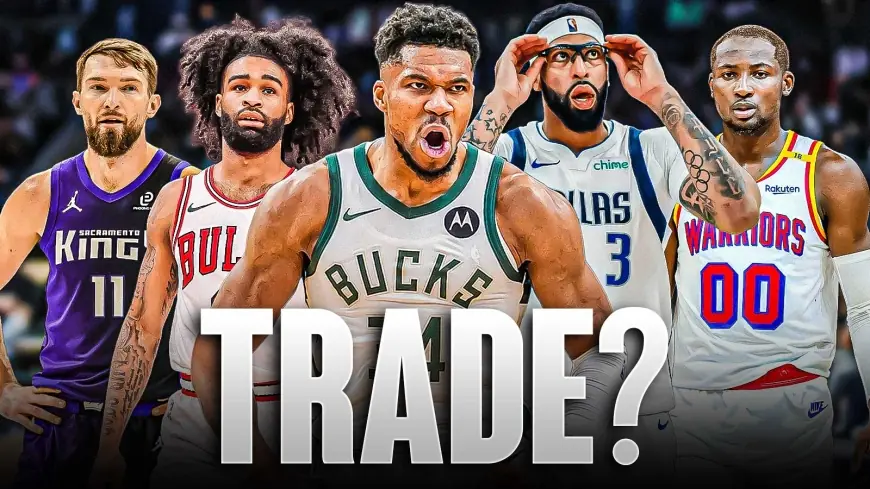
The NBA’s 2026 trade deadline hit its familiar pressure point on Thursday, Feb. 5, 2026 at 3:00 p.m. ET, and the hours leading up to it turned into a rapid-fire market for two things: second-round picks and payroll flexibility. Star movement still grabbed the spotlight, but much of the day’s action came from teams trying to stay clear of penalty lines, open roster spots, and convert mid-tier contracts into future optionality.
NBA trade deadline time and what “final buzzer” really means
The deadline is the cutoff for trades to be completed and submitted for league approval by 3:00 p.m. ET. In practice, deals can appear in waves right up to the horn because teams negotiate frameworks in advance, then finalize the exact draft-pick language, protections, and salary mechanics in the final minutes.
After 3:00 p.m. ET, teams can still make roster moves, but trade activity shuts off until the offseason.
Biggest NBA trades today: the themes behind the names
Thursday’s headline transaction was a classic “contender reshuffle” move: Indiana landed center Ivica Zubac in a deal that sent Bennedict Mathurin and additional assets the other way. It was notable not just because Zubac changes matchups immediately, but because it illustrates the 2026 deadline’s core pattern: teams are packaging players with picks to solve fit and timeline problems quickly.
Another deal that defined the week’s tone arrived earlier: Cleveland and the LA Clippers swapped James Harden and Darius Garland, a rare star-for-star trade that compressed timelines for both teams. Cleveland leaned into win-now creation and late-game control; the Clippers pivoted toward a younger lead guard profile.
And in a move that fit the “useful role player at a deadline price” bucket, New York added Jose Alvarado from New Orleans. The Knicks paid with a young player, two second-round picks, and cash—exactly the kind of package that has become the deadline standard for bench upgrades.
Why picks are driving the market more than ever
Second-round picks have turned into the cleanest trade lubricant in the league. They’re inexpensive enough that teams can move them without resetting their long-term plan, but valuable enough to persuade another team to absorb salary or help complete multi-team routing.
You could see that clearly in the way several deals were constructed:
-
teams attaching second-rounders to move a contract off the books,
-
teams collecting seconds as “future trade chips,” not just draft selections,
-
and teams using pick stacks to make complicated salary math work without touching premium first-round assets.
Even the quieter transactions told the same story. Orlando, for example, moved a veteran guard contract with two second-round picks attached in a deal that primarily functioned as a financial reset.
Payroll flexibility: the hidden winner of the deadline
A significant share of deadline activity is about what a team can do next, not only what it gains today. Modern spending rules add real roster-building constraints once teams climb into higher payroll tiers—limiting certain trade constructions, reducing access to flexibility tools, and creating longer-term consequences for repeated overspending.
That’s why “cash considerations,” expiring contracts, and smaller salary slots keep appearing. They’re not glamorous, but they matter:
-
An expiring deal can become cap space or a new exception later.
-
A smaller contract is easier to move at the next window.
-
Avoiding a penalty tier can preserve a team’s ability to make future trades.
This is also why deadline day often produces three-team deals. Routing a player to a third destination can be the difference between a trade that’s legal and one that isn’t.
The flurry beyond the stars: depth upgrades and clean swaps
Several deadline-week moves fit into a few repeatable categories:
Bench scoring and shooting: one notable example was Luke Kennard heading to Los Angeles in exchange for a guard contract and a pick, a swap designed to sharpen spacing and tighten a playoff rotation.
Frontcourt patchwork: Milwaukee participated in a three-team exchange that reshuffled a center and wing pieces—moves that read as “fix minutes” decisions rather than long-term roster pivots.
Veteran reroutes: a three-team deal sent Chris Paul to Toronto, another example of how teams can use short-term veteran contracts to fit a specific need (or to manage their books) while moving smaller assets around the edges.
What to watch after the deadline
-
Buyout and waiver activity: teams that saved roster spots and payroll room often aim to add one more contributor after the trade market closes.
-
Rotation compression: deadline additions usually reveal themselves in minutes—who loses time, and which lineups become the closing groups.
-
Pick inventory: teams that stockpiled second-rounders often did it with the next trade window in mind, not just the draft.
Sources consulted: NBA.com, Reuters, CBS Sports, Hoops Rumors