Ivica Zubac traded to Pacers as Clippers pivot toward younger core

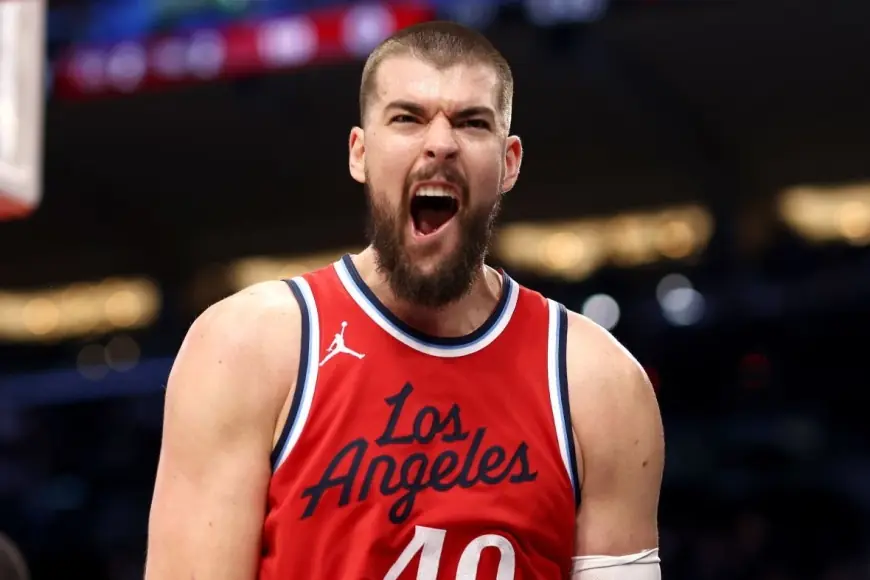
The Los Angeles Clippers agreed to send center Ivica Zubac to the Indiana Pacers in a deadline-day deal that reshapes both teams’ short- and long-term plans. Indiana gets a proven, affordable starting center under contract for multiple seasons, while the Clippers pull in a young scorer in Bennedict Mathurin plus a package of draft capital designed to reset their roster timeline.
The trade was agreed to Thursday, Feb. 5, 2026 (ET), ahead of the NBA’s 3:00 p.m. ET deadline.
The trade package and pick protections
Indiana acquires Zubac and forward Kobe Brown. Los Angeles receives Mathurin, center Isaiah Jackson, two first-round picks, and a second-round pick. One of the first-rounders carries conditional protections that can convert into a later unprotected first if it doesn’t convey.
| Clippers–Pacers trade terms | Details |
|---|---|
| Pacers receive | Ivica Zubac; Kobe Brown |
| Clippers receive | Bennedict Mathurin; Isaiah Jackson; 2 first-round picks; 1 second-round pick |
| 2026 first-round pick | Protected 1–4 and 10–30; if it doesn’t convey, it becomes an unprotected 2031 first |
| 2029 first-round pick | Unprotected |
Why Indiana targeted Zubac
Indiana’s most urgent roster need has been stability at center: a big who can rebound, defend the paint, finish plays, and keep the offense flowing without needing touches. Zubac fits that profile cleanly. He has been one of the league’s steadier double-double threats this season, averaging 14.4 points and 11.0 rebounds in 30.9 minutes across 43 games, while also adding 2.2 assists.
The Pacers also value cost certainty. Zubac is under contract through the 2027–28 season on a three-year, $58.6 million extension signed in 2024, a mid-tier number for a starting-caliber center in today’s cap environment. That matters for a team trying to build a coherent roster without constantly reshuffling the frontcourt.
On the court, Zubac gives Indiana:
-
A reliable screen-setter and rim finisher to simplify half-court possessions
-
Strong defensive rebounding to close possessions without scrambling
-
A paint anchor who can reduce the pressure on perimeter defenders
What the Clippers gain, and what it signals
For the Clippers, moving Zubac is a clear statement that the franchise is choosing flexibility and youth over continuity. The return is built around Mathurin, a high-variance but high-upside wing scorer who can create his own offense, plus multiple picks that can be used two ways: draft and develop, or consolidate in a future trade when the next star becomes available.
The pick structure is especially important. A first-rounder with protections can be less valuable than it looks at first glance, but the conversion mechanism to an unprotected 2031 first provides real bite if Indiana’s near-term pick doesn’t convey. The unprotected 2029 first is also the kind of asset that teams covet because it retains full upside.
This deal also meshes with the Clippers’ broader deadline posture: they’ve been shifting the roster toward younger players while trying to remain competitive, rather than committing to a top-heavy veteran build.
Where this leaves Indiana’s rotation
Zubac steps in as an immediate starting center, pushing Indiana toward a more conventional lineup structure: rim protection and rebounding at the five, with more freedom for the team’s wings and guards to gamble a bit defensively knowing the back line is steadier.
Kobe Brown is more of a developmental add—useful size and energy, but not necessarily a rotation lock. The more immediate impact is how Zubac can stabilize non-transition minutes, especially when games slow down late.
The biggest rumor threads that led here
Indiana’s front office spent much of the lead-up canvassing the center market. One competing target that came up in league chatter was Dallas big man Daniel Gafford, another rim-running, defensive-minded option. Indiana landing Zubac suggests they preferred contract certainty and all-around reliability over a pure vertical-lob archetype.
On the Clippers’ side, there had been earlier interest from other contenders seeking a center upgrade, with at least one strong offer circulating in the days before the deadline. Los Angeles ultimately chose the larger multi-asset package from Indiana—an indication that the organization was prioritizing a true reset bundle rather than a narrower “win-now” swap.
What to watch next
Two things will decide how this trade is remembered:
-
Indiana’s fit and ceiling: If Zubac lifts their defense and rebounding without slowing their pace-and-space identity, the Pacers will look like they solved a foundational problem for multiple seasons.
-
The Clippers’ timeline: Mathurin’s development plus the eventual value of the 2029 and potentially 2031 first-rounders will determine whether this was a smart pivot or an early exit from a competitive window.
For now, the deal is a clean read: Indiana bought stability at center, and the Clippers bought optionality.
Sources consulted: ESPN, CBS Sports, RealGM, Fox 11 Los Angeles