





















NBA trades ripple across the East: Nets land Ochai Agbaji in 3-team deal as deadline chaos builds

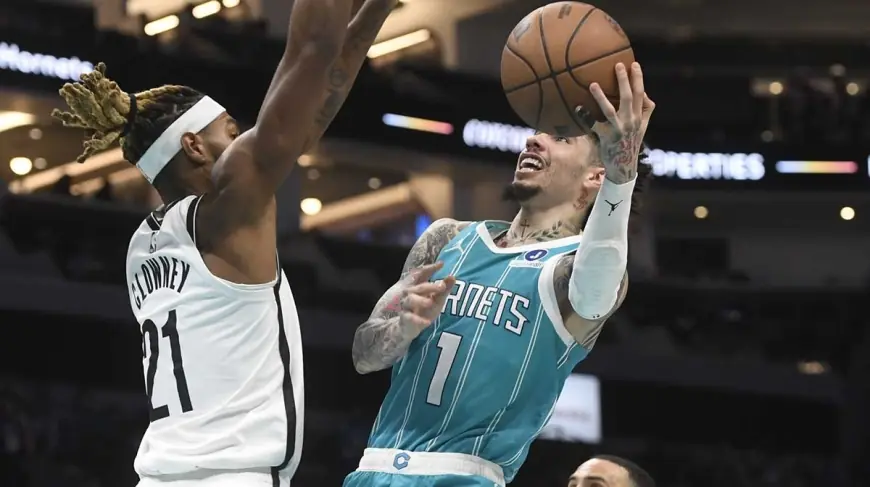
The Brooklyn Nets added another “asset-first” move to a frantic trade-deadline week, acquiring wing Ochai Agbaji in a three-team deal that also brings Brooklyn a future second-round pick and cash. The transaction, completed Wednesday night and reflected in league paperwork Thursday, February 5, 2026 (ET), is less about a splashy name and more about deadline economics: cap space, picks, and roster flexibility as the Eastern Conference reshuffles hours before the buzzer.
Agbaji, 25, arrives as a low-cost flier on a former lottery pick whose value now hinges on whether he can rediscover the 3-and-D profile that made him a first-rounder in 2022.
The trade, broken down
Brooklyn’s return is simple: a player, a pick, and money. The moving parts exist largely to help other teams clean up their books and finalize roster mechanics.
| Team | Receives | Sends |
|---|---|---|
| Nets | Ochai Agbaji; 2032 second-round pick (Toronto); cash (Los Angeles) | Draft rights to Vanja Marinkovic |
| Raptors | Chris Paul | Ochai Agbaji; 2032 second-round pick |
| Clippers | Draft rights to Vanja Marinkovic | Chris Paul; cash to Brooklyn |
The league’s trade deadline is Thursday, February 5, 2026 at 3:00 p.m. ET, and this deal fits the familiar late-cycle pattern: contenders and tax-conscious teams offload salary or tidy roster spots, while teams with flexibility absorb contracts in exchange for future assets.
Why Brooklyn did it: buying a pick with cap space
For the Nets, the headline is the 2032 second-round pick attached to Agbaji’s contract. Agbaji is on the final year of his rookie-scale deal at roughly $6.38 million for 2025–26, so Brooklyn is taking on a manageable number in exchange for long-horizon draft capital—exactly the kind of move a flexible, rebuilding roster can make repeatedly.
The cash component effectively offsets part of that absorption cost, making the deal even easier to justify for a team prioritizing long-term optionality over short-term win totals.
Brooklyn also needed to create roster room; the team waived forward Haywood Highsmith in a separate move connected to the roster crunch.
What Agbaji is right now: a former lottery pick searching for footing
Agbaji’s 2025–26 production has been modest: 4.3 points, 2.3 rebounds, and 15.5 minutes per game over 42 games. That’s a steep drop from last season’s career-best output, and it explains why the price to acquire him wasn’t premium.
But the Nets are betting on two things:
-
Opportunity: a clearer runway for minutes than he had in a more crowded rotation.
-
Development value: if he stabilizes as a reliable defender who hits open threes, he becomes either a useful rotation wing or a future trade chip.
Because he’ll be a restricted free agent after the season, Brooklyn retains an extra layer of control if he pops.
Why Toronto and Los Angeles were involved
Toronto’s role looks like cap and roster management. Moving Agbaji’s contract and the distant second-rounder for Chris Paul’s expiring minimum-level deal changes the team’s financial picture and simplifies its rotation decisions. Paul is not expected to be a long-term on-court fit there, and the immediate question is whether he’s waived or moved again.
For the Clippers, the transaction is primarily about clearing constraints and shifting fringe assets. Draft rights to a player not currently in the NBA are the type of placeholder teams use to balance deals without changing the active roster. The cash sent to Brooklyn also signals that Los Angeles had a strong incentive to complete the structure quickly.
What it means for the East: a deadline defined by flexibility
The Agbaji deal is a good snapshot of how the Eastern Conference deadline is being shaped:
-
Rebuilders are monetizing cap space by taking contracts and collecting picks.
-
Mid-tier teams are reshuffling to avoid long-term money and re-slot their rotations.
-
Contenders are hunting marginal gains—shooting, wing defense, and playoff-ready depth.
Brooklyn, in particular, continues to position itself as a facilitator: ready to absorb money, swap minor rights, and turn financial flexibility into future draft inventory.
What to watch next
With the deadline clock nearly out, three practical questions follow this move:
-
Where does Agbaji fit immediately? If his minutes jump quickly, it’s a signal Brooklyn wants a real evaluation, not just a paper asset.
-
Will the Nets flip more pieces today? One more incoming player could trigger another cut or a consolidation trade.
-
Does this pick become currency by draft night? Distant seconds often get bundled later to grease a bigger deal.
This trade won’t decide the East, but it captures the deadline’s real engine: teams turning cap mechanics into future leverage—one small transaction at a time.
Sources consulted: Reuters, Yahoo Sports, Hoops Rumors, Basketball-Reference