

























Pizza Hut closing stores: about 250 U.S. locations set to shutter in early 2026

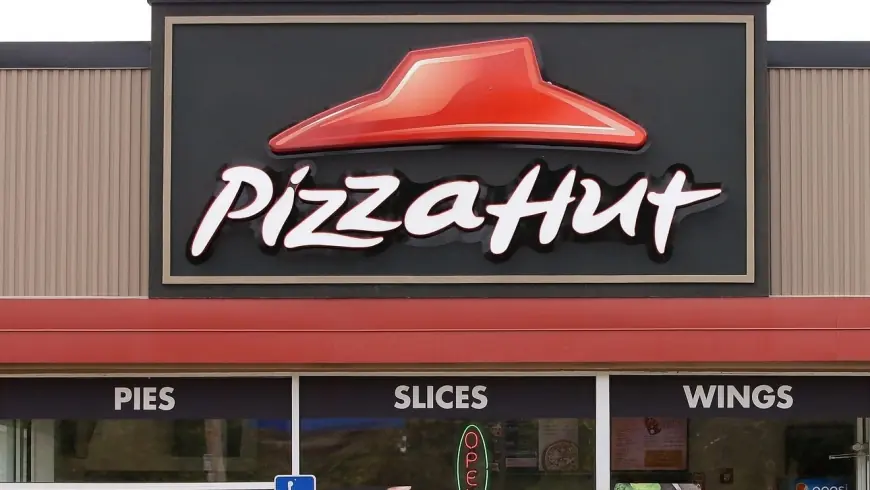
Pizza Hut is preparing to close roughly 250 underperforming restaurants across the United States during the first half of 2026, part of a broader effort by its parent company to reset the brand’s strategy and improve results. The announcement, made Wednesday, February 4, 2026, puts a spotlight on how quickly the economics of large restaurant chains can change—especially for older dine-in footprints facing higher labor costs, pricier leases, and intense delivery-first competition.
The company has not released a list of affected locations, leaving employees and customers in many markets watching for store-by-store updates over the coming weeks.
How many Pizza Hut locations are closing
The plan calls for about 250 closures in the U.S. in the first half of 2026, targeting restaurants described as underperforming. Based on recent industry counts that put Pizza Hut’s U.S. footprint in the mid-6,000s, the closures amount to roughly 3%–4% of domestic units.
That scale is large enough to be visible nationally but small enough that the impact will vary sharply by region—some areas may see no closures, while others may lose multiple long-running stores.
Why Pizza Hut is closing stores now
The closures come as the brand works through a difficult stretch in its U.S. business, where sales growth has lagged key rivals and customer behavior has shifted further toward delivery, carryout, and app-based ordering. Several pressures are converging:
-
Store format mismatch: Older dine-in locations can be costly to operate relative to smaller carryout-heavy designs.
-
Higher fixed costs: Rent, utilities, and labor costs have stayed elevated, making marginal stores harder to justify.
-
Competitive squeeze: The pizza category is crowded, and discounting can pull down profitability even when traffic holds up.
-
Franchise health: Many Pizza Hut restaurants are franchised, and closures often reflect unit-level economics at the operator level, not just corporate strategy.
In plain terms, the chain appears to be trimming locations that are least likely to improve, while redirecting attention toward stores and formats that can compete more effectively.
What “strategic review” signals for the brand
The closures are tied to an ongoing strategic review of Pizza Hut’s direction. In restaurant-company terms, that can include a wide range of options—simplifying operations, modernizing technology, refreshing marketing, reworking franchise agreements, and accelerating remodels or new prototypes.
The review has also fueled talk that the company could consider more significant structural changes for the brand over time. Nothing beyond the closure plan has been publicly confirmed in detail, but the key signal is that Pizza Hut is being evaluated for longer-term repositioning rather than minor tweaks.
Which locations are affected and when you’ll know
No official list of the 250 stores has been published. Typically, closures roll out through:
-
notices to employees and local labor agencies,
-
signage at restaurants,
-
updates to store hours and online ordering availability,
-
landlord filings or lease terminations.
If you’re trying to confirm whether your local Pizza Hut is on the closure list, the most reliable indicators are direct store signage, changes in the ordering app’s availability, or statements from the local franchise operator—rather than social media lists that can be incomplete or outdated.
What this means for workers and customers
For employees, closure waves can mean transfers to nearby locations, reduced hours during wind-down periods, or layoffs—depending on whether operators have other stores in the market. For customers, the biggest changes tend to be:
-
fewer dine-in options in some areas,
-
longer delivery times if zones are consolidated,
-
a push toward carryout-focused stores and digital ordering.
In many markets, closures of older dine-in stores do not necessarily mean Pizza Hut is leaving entirely; the company and franchisees may shift demand to nearby carryout/delivery units or to newer formats over time.
What to watch next
Three near-term developments will clarify how disruptive the closures become:
-
Whether a closure list emerges by market (or if updates remain store-by-store)
-
How many closures are dine-in vs. delivery/carryout formats
-
Whether the strategic review leads to a broader brand reset—such as remodel commitments, new unit designs, or changes to franchise structures
For now, the headline is straightforward: Pizza Hut is shrinking its U.S. footprint modestly but meaningfully, focusing on underperforming stores as it tries to stabilize performance and modernize how the brand competes.
Sources consulted: Reuters, Restaurant Business, Nation’s Restaurant News, Restaurant Dive