





















Stephen Colbert Criticizes Kid Rock’s MAGA-Friendly ‘Halftime Show Featuring Terrible Bunny’

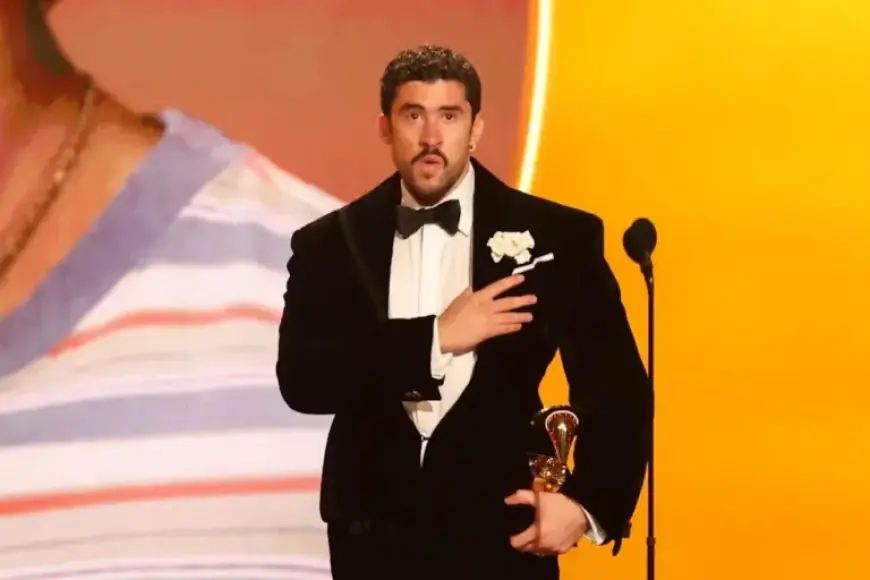
Stephen Colbert recently mocked Kid Rock’s attempt to counter-program the Super Bowl halftime show featuring Bad Bunny. During a segment on The Late Show, Colbert highlighted the absurdity of Rock’s alternative “All-American Halftime Show,” jokingly referring to the performance lineup.
Colbert’s Take on Kid Rock’s Halftime Show
In a humorous cold open, Colbert described the show’s poster as resembling “T-shirt on a quiet, angry dad at Disney World.” He emphasized the uncertainty surrounding the event, noting it would not be ticketed and could be streamed on several right-wing media platforms.
- Platforms include: DW+, Real America’s Voice, TBN, CHARGE!, and Rumble.
- Colbert also invented fictional streaming platforms, such as “Crunch” and “Hunkle.”
Colbert humorously expressed skepticism about who would attend the event, given its unconventional nature and political affiliations.
Pop Culture Reactions
Other late-night hosts joined in on the fun. On The Daily Show, Michael Kosta made light of right-wing backlash against Bad Bunny. He quipped that the Bunny’s show would appeal to “radical woke communists who hate America.” Kosta highlighted the stark contrast in popularity between Rock and Bad Bunny, whose Spotify listeners number 85 million compared to Rock’s 5 million.
Statistical comparisons revealed a significant advantage for Bad Bunny, who has achieved multiple milestones:
- Most-streamed global artist on Spotify for four consecutive years.
- A record of six Grammy wins, while Kid Rock has none.
- Over 100 million equivalent album sales to Rock’s 27 million.
Bad Bunny’s Cultural Impact
Bad Bunny’s choice to exclude U.S. tour dates stems from concerns regarding U.S. immigration raids, which have sparked controversy and criticism from various quarters, including the White House. Even as Kid Rock attempts to carve out his niche, the cultural impact of Bad Bunny continues to grow.
Colbert’s witty commentary exemplifies the ongoing dialogue about music, politics, and cultural identity in America. The shifts in audience engagement and artist reputation illustrate a rapidly evolving entertainment landscape, where popularity isn’t solely determined by political alignment.
As Super Bowl Sunday approaches, all eyes will be on both events — one steeped in mainstream acceptance and the other attempting to carve an alternative path amidst significant scrutiny.