

























Trans Mountain Begins First Phase of Three-Part Oil Pipeline Expansion

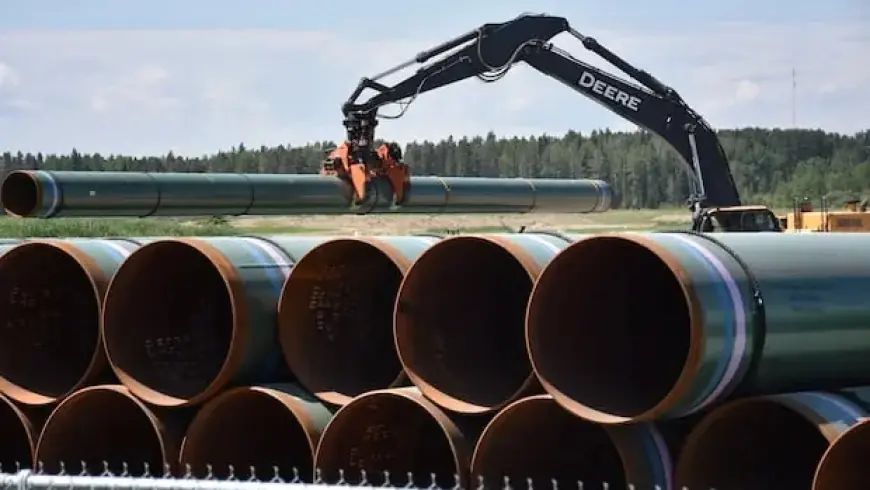
Trans Mountain Corporation has initiated the first phase of its three-part oil pipeline expansion project aimed at increasing oil transport capacity between Alberta and British Columbia. This week, the company submitted an application to the Canada Energy Regulator to implement drag-reducing agents (DRA) in its pipeline system.
Project Overview
The DRA initiative is projected to enable the movement of up to 10% more oil through the existing pipeline, which was originally constructed in the 1950s. The plan includes a budget of $9 million and anticipates construction commencement in August 2024, with operations expected to begin by January 2027.
Current Pipeline Capacity
Trans Mountain’s twin pipeline can currently transport approximately 890,000 barrels of oil per day. This expansion aims to address the increasing oil production in Alberta and the anticipated saturation of existing export pipelines.
Future Expansion Plans
In addition to the DRA project, Trans Mountain is exploring other developments to further enhance oil transportation capabilities. Plans may include the construction of additional pumping stations capable of moving an extra 360,000 barrels per day within the next five years.
Impact on Marine Traffic
Trans Mountain has assured that the DRA project will not lead to an increase in vessel traffic at the Westridge Marine Terminal, as determined during earlier assessments related to the Trans Mountain Expansion Project.
Significance of the Expansion
- The original Trans Mountain expansion project commenced oil transport from Edmonton to Vancouver in May 2024.
- This three-phase expansion indicates a robust response to climbing production rates in Alberta.
- Drag-reducing agents are cost-effective alternatives compared to other enhancement proposals.
Ongoing discussions surrounding pipeline expansions, including Trans Mountain, are crucial for increasing Western Canada’s oil export capacity in the near future. As the energy market evolves, these strategic improvements will play a significant role in achieving efficient transportation and export solutions.