






















Jared McCain Traded to the Thunder Ahead of the 2026 NBA Trade Deadline, Signaling a Sixers Reset and OKC’s “More Talent, More Picks” Strategy

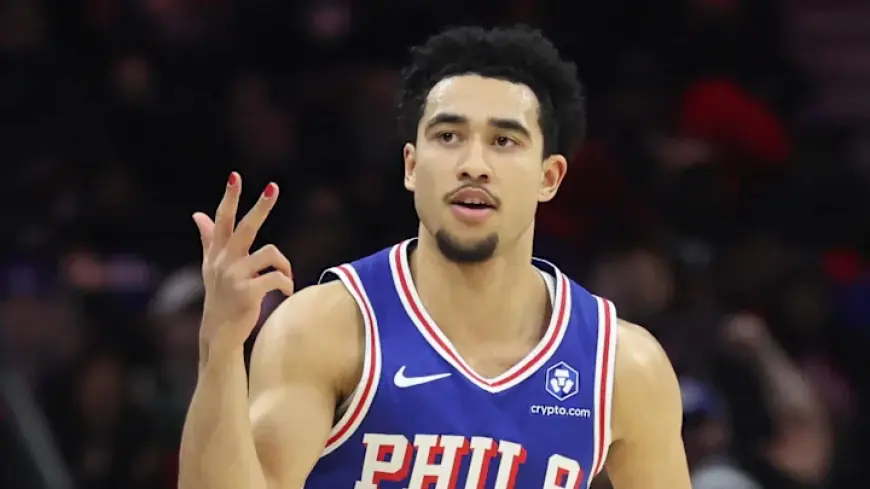
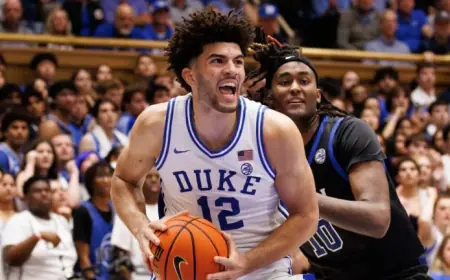
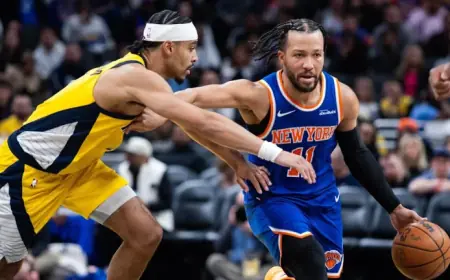
Jared McCain is headed to Oklahoma City in a deadline-week trade that instantly reshapes two very different timelines. With the 2026 NBA trade deadline set for Thursday, February 5 at 3:00 p.m. ET, the Philadelphia 76ers moved the young guard to the Thunder for a package of draft capital, leaning into flexibility while Oklahoma City doubles down on its familiar formula: accumulate options, then add another playable piece who can scale with a contender.
The move also helps explain the sudden spike in searches like “jared mccain traded,” “thunder trade,” and “sixers trade” all at once. This is a rare deadline deal where the headline is the player, but the deeper story is the direction each front office is choosing under pressure.
What happened in the McCain trade
Philadelphia traded Jared McCain to Oklahoma City in exchange for four draft picks, highlighted by a 2026 first-round pick originally tied to Houston, plus three second-rounders. The Sixers clear a roster spot and convert a developing guard into future assets just hours before the league’s trade window shuts.
McCain, 21, has appeared in 37 games this season and has averaged 6.6 points and 1.7 assists while working his way back into rhythm after a knee injury derailed his rookie year. For Oklahoma City, he arrives as a plug-and-play guard with shot-making upside and the kind of low-ego, high-usage-when-needed profile that can fit a deep roster.
Why the Sixers did it: a reset disguised as a deadline tweak
On the surface, trading a young player can look like surrender. In practice, this reads like a roster-management decision that’s been building for months.
Philadelphia has been balancing two competing needs: compete now while continuously reshaping a roster that hasn’t found stable continuity. Turning McCain into picks gives the Sixers optionality in three directions at once:
-
Use picks in future trades to chase a win-now upgrade
-
Keep picks and soften the risk of an uneven season by rebuilding depth later
-
Reallocate developmental minutes to players the team believes fit better next to its current core
The incentives here are blunt. The Sixers have been living on tight margins, where one injury swing can flip the season’s priorities. Draft capital is the most flexible currency when you don’t want to fully commit to a single roster path.
Why the Thunder wanted McCain: depth, insurance, and a future rotation bet
Oklahoma City’s appeal is simple: this is a team that already has talent, already has picks, and still keeps acting like it needs more of both.
McCain fits OKC in three important ways:
-
Injury insurance without desperation
The Thunder have dealt with real rotation disruptions recently. Adding another guard who can handle minutes helps them avoid overextending key players while keeping their offensive pace and spacing intact. -
A scalable skill set
McCain’s value is not only what he is today. It’s the version of him that could become a reliable playoff rotation shooter who doesn’t need the ball to contribute but can create if a possession breaks down. -
A low-risk bet relative to OKC’s asset pile
The Thunder can afford to spend picks because they still have more draft flexibility than almost any team in the league. For them, picks are not only future players. They’re negotiating leverage.
Behind the headline: what both teams are really signaling
This trade is a message from both sides.
Philadelphia is signaling that it’s prioritizing controllable assets and future maneuverability over patient development of a player who may not have a clear role in the short term.
Oklahoma City is signaling that it wants more playable bodies who can survive high-leverage minutes, even if they’re not starters right away. In a postseason where opposing teams hunt weaknesses, the best advantage is having no obvious soft spots on the bench.
Stakeholders with the most at stake now include McCain himself, who goes from a development track on a high-pressure team to a contender that will demand readiness, and the Sixers fan base, which will judge this deal largely by what the picks become next.
What we still don’t know
A few missing pieces will decide how this looks a month from now:
-
How quickly McCain can earn consistent minutes in Oklahoma City’s crowded guard rotation
-
Whether his knee fully holds up under increased intensity and travel
-
Whether Philadelphia flips some of the acquired draft capital into another move before the deadline buzzer
This is also the kind of trade that can’t be graded in a week. If McCain becomes a two-way rotation guard in two years, OKC wins. If Philadelphia turns the picks into a bigger piece that fits perfectly, the Sixers win. Both outcomes can be true.
What happens next: realistic scenarios before and after the deadline
-
Oklahoma City makes one more consolidation move
Trigger: the Thunder decide they want a bigger wing or frontcourt piece and use remaining assets to upgrade. -
Philadelphia pivots from selling to buying
Trigger: the Sixers identify a specific target and package picks to chase immediate help. -
McCain becomes a spark plug quickly
Trigger: injuries or matchups open a clean lane for him to play 15 to 20 minutes right away. -
McCain’s impact is delayed
Trigger: OKC’s depth keeps him in a smaller role until he earns trust and consistency.
With the 2026 NBA trade deadline hours away, the Jared McCain trade is already one of the clearest tells of the week: Philadelphia is banking flexibility, and Oklahoma City is stockpiling playable talent like a team that expects to matter deep into spring.