






















Ted Cruz Demands Ted Sarandos Address Billie Eilish’s “Stolen Land” Grammy Speech

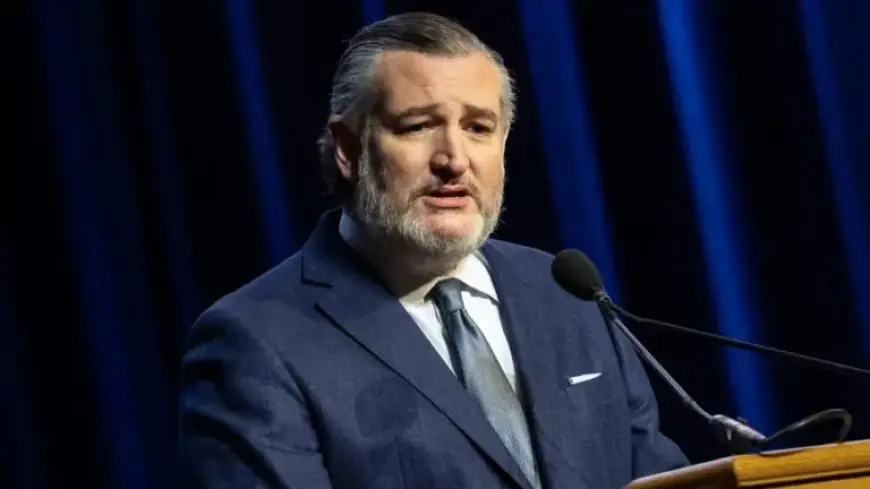
Ted Cruz recently challenged Netflix CEO Ted Sarandos and Warner Bros. Discovery’s Chief Revenue Officer Bruce Campbell during a Senate antitrust hearing. The focus was on Netflix’s potential acquisition of Warner Bros. and its implications for competition and monopolistic practices. However, Cruz took a surprising turn, addressing Billie Eilish’s comments from the Grammy Awards.
Cruz Questions Eilish’s Grammy Speech
During the hearing, Cruz inquired, “Did either of you watch the Grammys this week? One simple question, are we right now on stolen land?” Sarandos’s reaction included a brief chuckle, as he expressed uncertainty about the history of the land. Cruz emphasized the significance of their hesitance to outright reject the idea of being on “stolen land.”
The senator criticized Eilish’s remarks, which suggested that “nobody is illegal while we’re on stolen land.” He described the enthusiastic response from other attendees as indicative of a troubling trend in Hollywood. Cruz noted, “It speaks volumes that neither of you are willing to say ‘hell no, we’re not on stolen land.’” He pointed out that Eilish lives in a multimillion-dollar mansion, contrasting her views with her lifestyle.
Entertainment Industry’s Political Climate
Eilish’s Grammy speech was not an isolated incident. The music industry has increasingly voiced its criticism of U.S. immigration policies, particularly against the backdrop of violence affecting immigrant communities. The sentiment was echoed by other artists at the ceremony:
- Bad Bunny, the Album of the Year winner, proclaimed “ICE Out.”
- Olivia Dean, named Best New Artist, identified herself as “a granddaughter of immigrants.”
- SZA described the situation as “dystopian,” highlighting the stark realities faced by marginalized communities.
Impact on Hollywood’s Political Landscape
Cruz’s interrogation of Sarandos and Campbell extended beyond individual remarks to broader trends in Hollywood. He articulated concerns over what he perceives as a rejection of conservative values within the entertainment industry. Cruz pointed to Netflix’s history as a “left-wing company,” citing founder Reed Hastings’ donations to Democratic causes and the company’s collaboration with high-profile figures such as the Obamas.
Focus on Antitrust Issues
Despite the cultural commentary, the Senate hearing primarily aimed to address potential antitrust issues. Questions were raised about:
- The implications of Netflix’s merger with Warner Bros. on market competition.
- How these developments would affect labor within the film industry.
- The window timeframes for film releases and industry logistics.
The discussions reflect ongoing concerns regarding the influence of major streaming services and their role in shaping cultural narratives.