
























David A. Ross Resigns from Art School Following Epstein Email Leak

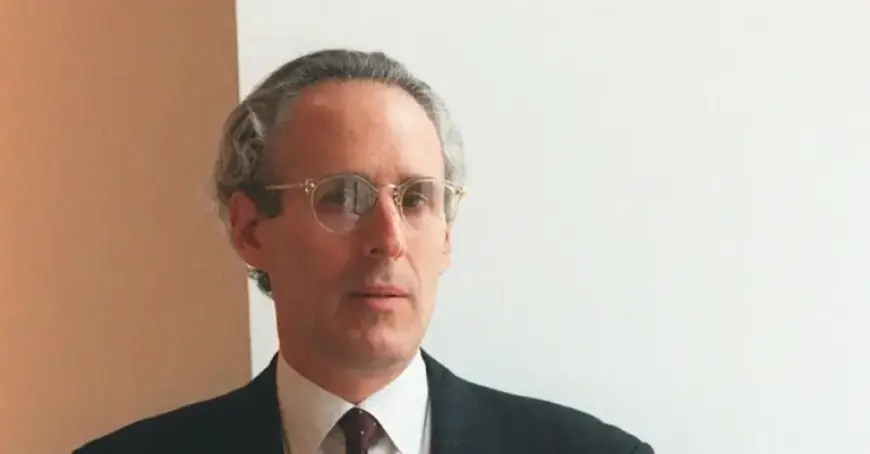
David A. Ross, a prominent figure in the contemporary art sector, has stepped down from his role as department chair at the School of Visual Arts in New York. This decision comes in the wake of the public release of his extensive email correspondence with Jeffrey Epstein, which spanned several years.
Background Information
Ross’s resignation follows revelations from approximately 60 emails disclosed by the Justice Department. These documents are part of a broader release related to Epstein, who died in August 2019 while awaiting trial for sex trafficking. The emails, many dating back to 2009, depict a long-standing friendship between Ross and Epstein.
Controversial Emails
- One notable email showed Ross responding positively to Epstein’s idea for an exhibition titled “Statutory,” featuring underage models.
- Ross expressed admiration, stating, “You are incredible,” in response to Epstein’s concept.
- The correspondence continued even after Epstein’s legal troubles came to light, including his 2008 arrest for solicitation in Florida.
Ross expressed regret for having been deceived by Epstein’s assertions in his public statement. He stated that he originally saw Epstein as a wealthy patron during his tenure at the Whitney Museum of American Art in the mid-1990s.
Repercussions and Institutional Response
In light of the circumstances, Ross offered his resignation this week, citing a desire not to let the institution suffer due to his past judgments. The School of Visual Arts accepted his resignation immediately, acknowledging the implications of the released emails.
Personal Reflections and Future Actions
Ross, now 77, has not faced any criminal charges relating to Epstein. In his resignation letter, he conveyed deep remorse for having supported Epstein during his legal challenges. “I was mortified and remain ashamed that I fell for his lies,” he stated.
Additionally, students at the School of Visual Arts had begun to mobilize for action against his continued presence, prompting a quicker response from the institution. The released emails have been widely discussed on social media and among art circles, raising questions about ethics in the art community.
As Ross moves on from his leadership position, his case serves as a reminder of the complexities within professional relationships in the art world, especially in light of recent scandals involving high-profile figures. The impact of his decisions will likely be felt within the community as it seeks to navigate these challenging issues.