





















NBA Legend Criticizes Right-Wing, Defends Bad Bunny’s ICE Stance

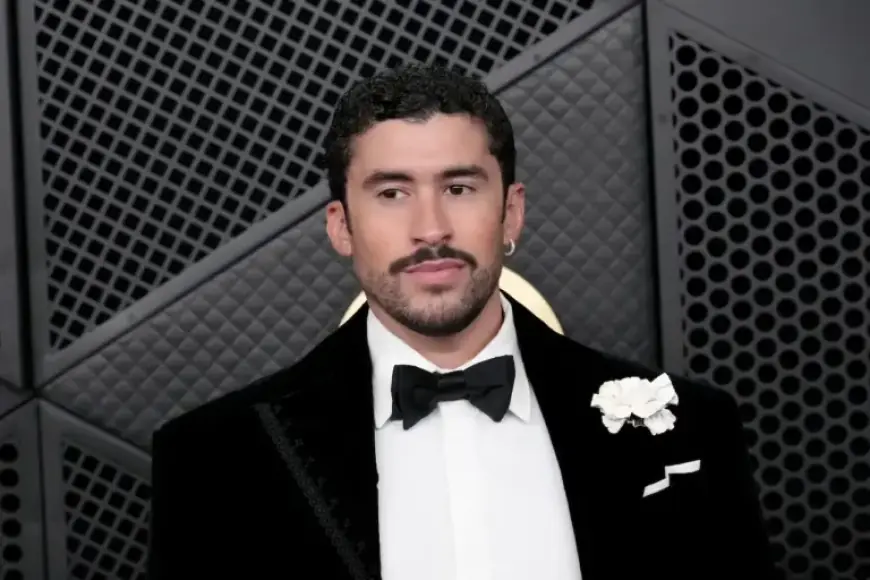
In a recent episode of the podcast “The Steam Room,” NBA legend Charles Barkley voiced strong support for the popular artist Bad Bunny. His comments came in response to criticism directed at Bad Bunny over his choice to halt U.S. performances due to concerns about immigration enforcement.
Charles Barkley Defends Bad Bunny’s Stance
Barkley addressed the controversy by calling out critics, particularly from the right-wing. He emphasized the geographical significance of Bad Bunny’s heritage, stating, “he’s from Puerto Rico, fools. That’s part of the United States of America.” This comment highlighted misconceptions about Puerto Rico’s status as a U.S. territory.
Misrepresentation of Bad Bunny’s Intentions
- Bad Bunny paused U.S. performances due to immigration enforcement concerns.
- Barkley clarified that this decision was not anti-American but rather protective of his fans.
Barkley quoted Bad Bunny’s own words: “I’m not going to perform in the United States because I don’t want my fans coming to see me in concert making a lot of money and go outside and get arrested by ICE.” This rationale framed the artist’s decision as honorable, not obstructive.
Barkley’s Personal Experience with Immigration Enforcement
During the podcast, Barkley shared his personal experiences with immigration raids in Arizona. He recounted a specific incident involving a popular sports bar called Zips, which was raided by ICE. Barkley expressed his disapproval, stating, “to be raiding sports bars, that’s disingenuous… just flat-out wrong.”
Connecting Celebrity Actions to Real-World Issues
For Barkley, supporting Bad Bunny goes beyond celebrity defense. It is about acknowledging the risks that fans face and the broader implications of immigration enforcement policies. He concluded his remarks by wishing Bad Bunny success in his upcoming Super Bowl performance.
By defending Bad Bunny, Barkley brings attention to significant social issues while urging a broader understanding of the complexities surrounding immigration and cultural identity.