
























Elon Musk faces a high-stakes week spanning SpaceX, AI, regulators, and Tesla

Elon Musk’s business empire is colliding into one of its most consequential weeks in years, with a headline-making corporate combination in space and artificial intelligence landing alongside fresh regulatory pressure and a pause affecting key rocket operations. The developments, unfolding in the first days of February, are reshaping how investors and policymakers view the degree to which Musk’s companies are converging—and how much execution risk that convergence carries.
The immediate impact is twofold: Musk is trying to knit together capital-intensive bets in rockets and AI, while multiple legal and operational threads tighten around his flagship businesses.
Space and AI get pulled under one roof
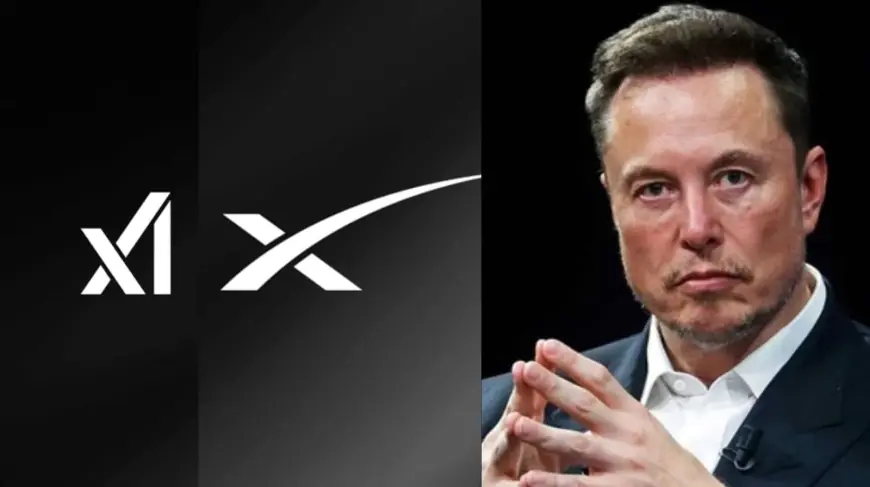
On Monday, February 2, 2026 (ET), SpaceX confirmed it is combining with Musk’s AI venture xAI in a transaction that values the merged structure at roughly $1.25 trillion. The strategic pitch is straightforward: SpaceX brings launch capability and a rapidly expanding satellite network, while xAI brings model development and compute-hungry products such as its chatbot.
The practical question is whether the combination meaningfully lowers the cost of building and operating AI infrastructure, or simply concentrates risk. AI data centers and model training demand enormous power, chips, and cooling, while space operations demand tight engineering discipline and launch cadence. Housing these bets in a more unified setup may accelerate shared projects, but it can also make setbacks in one area reverberate across the whole structure.
Falcon 9 pause raises near-term schedule questions
On Tuesday, February 3, 2026 (ET), SpaceX paused Falcon 9 flights after a reported issue affecting the rocket’s second stage during a mission that still successfully deployed a batch of satellites. A pause does not automatically mean a long stand-down, but it can ripple quickly because Falcon 9 is the workhorse behind frequent satellite launches, commercial missions, and other contracted flights.
For Musk, the timing is awkward. Any slowdown in launch cadence could constrain near-term satellite expansion plans and raise questions about operational tempo precisely when the newly combined space-and-AI vision is drawing intense scrutiny. The key watch item is how quickly the company identifies the issue, validates a fix, and resumes flight operations with regulators satisfied.
European investigators tighten the spotlight on the social media business
Also on Tuesday, February 3, 2026 (ET), French authorities expanded an investigation involving Musk’s social media company to include allegations connected to the firm’s AI chatbot product. Officials have not publicly confirmed every detail of the investigative scope in a single consolidated statement, but the move adds another regulatory layer at a moment when AI product governance is increasingly intertwined with platform oversight.
The market significance is less about immediate revenue and more about constraints: investigations can increase compliance cost, limit product rollouts in specific jurisdictions, and complicate corporate governance if executives are required to provide testimony or documents. For Musk, it contributes to a pattern of simultaneous operational and legal demands across multiple companies.
A U.S. judge keeps the SEC’s Twitter-era case alive
In Washington, D.C., a federal judge on Tuesday, February 3, 2026 (ET), rejected Musk’s bid to dismiss a U.S. Securities and Exchange Commission lawsuit tied to the timing of his disclosure of a large stake in the social media company he acquired in 2022. The case is not a new allegation, but the refusal to dismiss keeps litigation pressure active and maintains the possibility of a prolonged court timetable.
For investors and analysts, the near-term takeaway is procedural: the legal process continues, potentially keeping the issue in headlines and filings. The longer-term concern is whether any outcome leads to penalties, stricter compliance constraints, or broader knock-on effects in how Musk manages disclosures and governance.
Tesla’s AI investment adds another cross-company linkage
Tesla has also moved deeper into Musk’s AI orbit. In late January 2026 (ET), Tesla disclosed a $2 billion investment in xAI, reinforcing the idea that Musk’s companies are increasingly sharing capital and strategic direction. That linkage can create optionality—shared research, talent, and compute—while also raising questions about conflicts, related-party decision-making, and whether investors in one company are effectively underwriting risks elsewhere.
The broader market test is whether these cross-company ties translate into tangible product advantages for Tesla—particularly in autonomy, in-vehicle intelligence, or manufacturing software—or whether they become a distraction from near-term execution targets in a competitive global EV market.
Key dates and what comes next
| Date (ET) | Development | Why it matters |
|---|---|---|
| Feb. 2, 2026 | SpaceX confirms combination with xAI | Concentrates capital and strategy around space + AI |
| Feb. 3, 2026 | Falcon 9 flights paused after second-stage issue | Launch cadence risk for satellites and contracts |
| Feb. 3, 2026 | French investigation expands to AI chatbot aspects | Potential compliance and product constraints in Europe |
| Feb. 3, 2026 | Judge rejects bid to dismiss SEC disclosure case | Litigation remains active and visible |
The next signals to watch are operational and regulatory: when Falcon 9 returns to flight, whether European investigators escalate requests or remedies, and how the merged space-and-AI structure clarifies governance and financing. If the rocket pause is brief and legal timelines remain slow-moving, the market focus may snap back to execution—launch cadence, satellite expansion, and AI infrastructure progress. If disruptions compound, the story shifts toward whether consolidation has increased systemic risk across Musk’s portfolio.
Sources consulted: Reuters, The Guardian, Al Jazeera, Scientific American