

























Tax return season 2026: “Where’s My Refund” checks surge as IRS refund timelines, delays, and mid-February holds collide

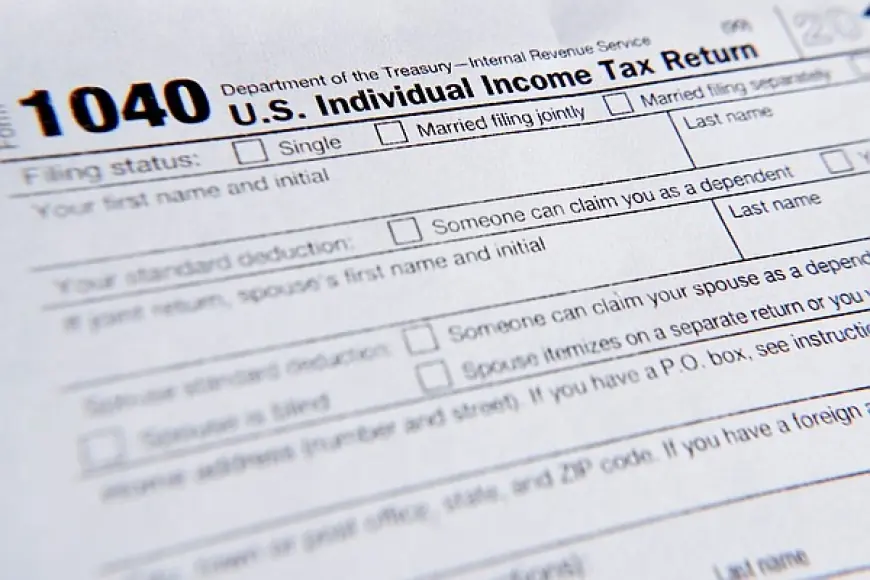
Searches for “tax return,” “check my refund,” and “Where’s My Refund” are spiking as the 2026 filing season ramps up and early filers start watching their IRS refund status refresh each day. The pattern is familiar: people file, expect fast direct deposit, then panic when the tracker doesn’t move—or when it moves to a message that sounds like a delay even when nothing is wrong.
This year’s timing pressure is especially intense because many households build budgets around refund money, while the IRS continues to emphasize that some credits legally trigger later release dates. The practical result: millions of people are checking refund status tools multiple times a day, even though the system typically updates only once overnight.
What happened: filing season is underway, and the refund tracker is the new daily habit
The IRS has begun accepting and processing individual federal income tax returns for tax year 2025, which means the refund pipeline is active now. For most filers, the first status update appears quickly after an electronically filed return is accepted, while paper returns move on a much slower track.
Here’s what most taxpayers should expect once a return is submitted:
-
If you e-file a current-year return, refund status usually appears within about 24 hours after the IRS acknowledges receipt.
-
If you mail a paper return, it can take around four weeks before the system shows a status at all.
-
Once processed, many e-filed refunds arrive within about 21 days, especially with direct deposit.
Those are general expectations, not guarantees. The IRS repeatedly warns people not to plan major purchases or bill deadlines around a specific refund date.
IRS refund timeline: why “still processing” isn’t always bad news
The tracker language can feel ominous, but several common situations produce slower movement without meaning you did anything “wrong.”
Typical reasons a refund takes longer than expected:
-
Your return has an error, missing form, or mismatch with information reported by an employer or payer
-
Identity verification is needed
-
The return is selected for additional review
-
You claimed certain credits that require extra checks
-
You filed by mail instead of electronically
-
You requested a paper check instead of direct deposit
The key point: the tool is designed to show broad stages, not detailed explanations. If the IRS needs something specific, it generally sends a letter rather than relying on the tracker alone.
The mid-February hold: what “Where’s My Refund” won’t speed up
A major source of confusion every year is the legal hold tied to two credits: the Earned Income Tax Credit and the Additional Child Tax Credit. By law, refunds that include either credit can’t be issued before mid-February—even if you filed early and everything looks perfect.
For early filers claiming those credits in 2026:
-
The refund tool is expected to start showing projected deposit dates for most early filers by February 21, 2026 (ET).
-
The IRS expects many of those refunds to be available by March 2, 2026 (ET) for taxpayers using direct deposit and with no other issues.
This delay applies to the entire refund, not just the portion tied to the credit. That’s why some people see “accepted” quickly but don’t see “approved” or a deposit date until later.
How to check your refund the right way (and avoid common mistakes)
To check a refund status successfully, you generally need:
-
Your Social Security number or ITIN
-
Filing status (single, married filing jointly, etc.)
-
The exact whole-dollar amount of your expected refund
Small input errors are the most common reason people get “information doesn’t match” messages. Another frequent issue is guessing the refund amount instead of using the exact figure from the filed return.
Also, checking repeatedly during the day usually won’t help. The IRS says the tracker typically updates once a day, usually overnight, so the most useful habit is checking once each morning (ET).
Behind the headline: why refund anxiety is so intense right now
The incentives are straightforward. Refunds function like a forced savings account for many households, so timing feels urgent. Meanwhile, the IRS has strong incentives to reduce fraud and improper payments, which means more verification, more holds for certain credits, and more reviews triggered by mismatches.
Stakeholders include:
-
Taxpayers relying on refunds for rent, debt payments, or catch-up bills
-
The IRS balancing speed with anti-fraud controls
-
Tax prep companies and software providers fielding panic questions
-
Banks and prepaid card issuers whose posting times can shift deposit timing by a day or two
Second-order effects are real: when people expect refund money on a specific date, even a routine delay can cascade into overdrafts, late fees, or reliance on high-cost short-term borrowing. That’s why the IRS messaging increasingly emphasizes planning for variability.
What happens next: realistic scenarios and triggers
-
Fast deposit (best case): e-file + direct deposit + no credits with legal holds + no verification needs
-
“Approved” but waiting: the IRS has issued the refund, but your bank posts it later (common around weekends)
-
Credit-related delay: EITC or Additional Child Tax Credit pushes deposits toward late February or early March
-
Review or correction: the IRS flags something and either adjusts the refund or requests information by letter
-
Paper-return lag: the status doesn’t show for weeks, then processing and mailing add more time
The most actionable takeaway: if you want the quickest IRS refund path in 2026, e-file early, use direct deposit, enter the exact refund amount when checking status, and don’t panic if you claimed credits that are legally held until mid-February. The tracker is useful—but it’s not a fast-forward button.