























Addison Rae’s Grammys moment: Best New Artist nod, “Fame Is a Gun,” and a fashion headline

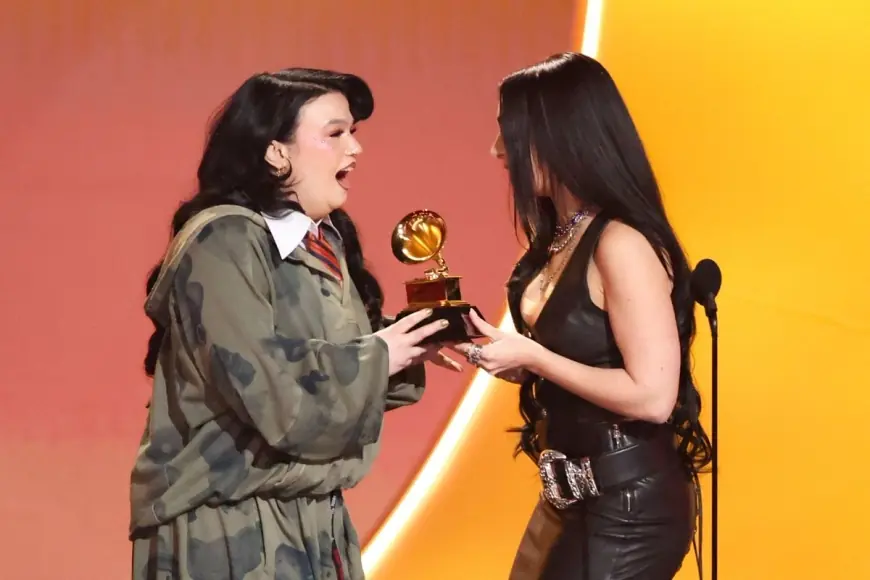
Addison Rae’s name ended up all over Grammys week for a simple reason: she wasn’t just a red-carpet presence—she was part of the show. On Sunday night, February 1, 2026 (ET), Rae delivered a debut performance of “Fame Is a Gun” during the ceremony’s Best New Artist spotlight segment, turning a first-time nomination into a national introduction for viewers who still associate her with internet-era fame rather than pop stardom.
By Tuesday, February 3, 2026 (ET), the conversation had widened from her performance to a loud after-party fashion moment that kept her in headlines even after the trophies were handed out.
Who is Addison Rae?
Addison Rae (born October 6, 2000) is an American pop singer, actress, and social-media celebrity who rose to prominence through short-form video and dance content before pivoting into entertainment full time. She moved from Louisiana to Los Angeles early in her career, building a massive audience that later became a launchpad for music and acting.
In recent years, she’s worked to be seen less as an influencer trying music and more as a serious pop act—releasing singles, collaborating with established writers and producers, and shifting her public image toward fashion-forward, stage-ready pop.
Addison Rae at the 2026 Grammys
Rae’s 2026 Grammys storyline had two anchors: a nomination and a performance.
-
She earned her first-ever nomination in the Best New Artist category.
-
She performed “Fame Is a Gun” as part of the ceremony’s showcase featuring the Best New Artist nominees.
The award ultimately went to Olivia Dean, but Rae’s visibility didn’t depend on winning. For many newer artists, the Best New Artist segment is the real prize: a high-pressure, high-reach moment where a single performance can reframe public perception.
The “Fame Is a Gun” performance: why it landed
Rae’s performance was built like a pop “short film,” with a staged, cinematic setup rather than a simple mic-and-band presentation. The styling leaned into sparkly purple performance wear and a quick-change vibe, matching the song’s theme: fame as something seductive, volatile, and hard to control once it’s pointed at you.
What made it travel quickly wasn’t only the choreography. It was the subtext—an artist who became famous fast, now performing a song that treats fame as both power and threat. That kind of self-aware framing tends to land with viewers who are skeptical of influencer-to-artist transitions, because it acknowledges the baggage instead of pretending it doesn’t exist.
Red carpet and after-party: the fashion story that followed
Rae’s Grammys weekend also became a fashion headline. On the red carpet, she leaned into a dramatic sculptural white look with exaggerated volume. Then at an after-party, she swapped into a sheer latex mini dress decorated with novelty “cash,” including bills printed with her face—an on-the-nose visual punchline to the performance’s theme.
That after-party outfit did what these looks are designed to do: it extended the Grammys cycle. Even people who didn’t watch the telecast encountered the image, which pulled attention back to her performance and nomination. In a modern awards economy, that’s a form of momentum: one night of exposure turned into multiple days of coverage.
What this means for her next phase
For Rae, the key question now is sustainability: can she turn a high-visibility Grammys moment into long-term music credibility?
A few near-term signals matter:
-
Live consistency: more performances that prove she can deliver outside a one-night showcase.
-
Release discipline: a clear rollout plan that follows the attention spike quickly, before the news cycle moves on.
-
Identity clarity: leaning into a coherent pop persona—whether playful, glossy, edgy, or all three—so the public knows what an “Addison Rae record” is supposed to sound and look like.
If she follows this week with a strong next single, a run of live appearances, and a steady pace of music news, the 2026 Grammys could read as a turning point: the moment her career stopped being a “pivot” and started being a pop campaign.
Sources consulted: The Recording Academy; Associated Press; ELLE; Vogue