
























Fuel Subsidies Skyrocket Amid Surging Household Battery Demand

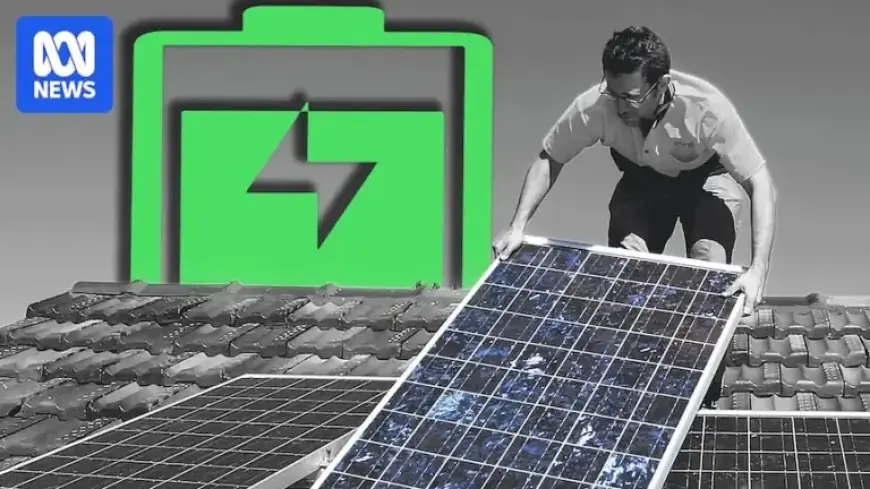
The latest surge in demand for household batteries in Australia has reached unprecedented levels. In the last six months of 2025, households installed as many batteries as they did over the five previous years combined. This explosive growth highlights the significant interest in energy storage solutions, fueled by government incentives.
Battery Demand Skyrockets
According to a report by the Clean Energy Council, over 183,000 battery units were sold between July and December 2025. This marked a fourfold increase compared to the same period in 2024. The figure also matches the total sales across the years 2020 to 2024.
Government Subsidies and Their Impact
- The Australian government has introduced generous subsidies, reducing the upfront costs of batteries by approximately 30%, or around $4,000 for a standard 10 kilowatt-hour system.
- Federal Energy Minister Chris Bowen indicated that the subsidy budget of $2.3 billion was projected to be exhausted by mid-2026, prompting additional funding to extend the program.
- Critics have raised concerns about the program being exploited, leading to a revision in eligibility criteria to prevent overselling of large battery systems.
Shift from Solar to Batteries
While the demand for batteries soared, rooftop solar installations experienced a decline. In 2025, installations dropped by 20% to 254,664 units, indicating a possible saturation point for solar adoption in the nation. Currently, about 4.3 million Australian households are equipped with solar energy systems.
Jackie Trad, CEO of the Clean Energy Council, noted that this was the first time since 2020 that annual rooftop photovoltaic (PV) installations failed to exceed 300,000. Consumers are now increasingly focusing on battery systems instead of solely solar installations.
Market Trends and Consumer Preferences
Trad emphasized that there are now more than 450,000 batteries installed across Australian homes and businesses. The demand for battery storage solutions is being fueled by an expanding market of new products and choices.
Recent consumer trends indicate a preference for larger systems, with average installations now at 10.6 kilowatts, compared to just 1.6 kilowatts about 15 years ago. This reflects a growing maturity in renewable energy technology within Australia.
Challenges and Equity Issues
Despite the boom in battery installations, questions regarding equity have surfaced. Some experts argue that federal subsidies favor wealthier households who can afford the installation costs. Rohan Best, an associate professor at Macquarie University, highlighted the disparity, noting that the benefits of the subsidy scheme may not extend to lower-income groups, including renters.
As Australia ramps up its adoption of batteries and solar systems, discussions around broader implications for the energy system are ongoing. Trad stated that these technologies could lead to significant benefits beyond individual household savings, advocating for systems like virtual power plants to optimize energy usage.
The Future of Energy in Australia
Overall, the landscape of energy consumption and generation is rapidly evolving in Australia. With the robust growth in battery installations and the critical role of solar power, the future appears promising for renewable energy as households seek greater control over their electricity costs.
As the government continues to enhance battery subsidy measures, Australian households are positioned to benefit from cleaner, more affordable energy solutions.