
























Chappell Roan’s Grammys 2026 outfit becomes the night’s loudest fashion debate

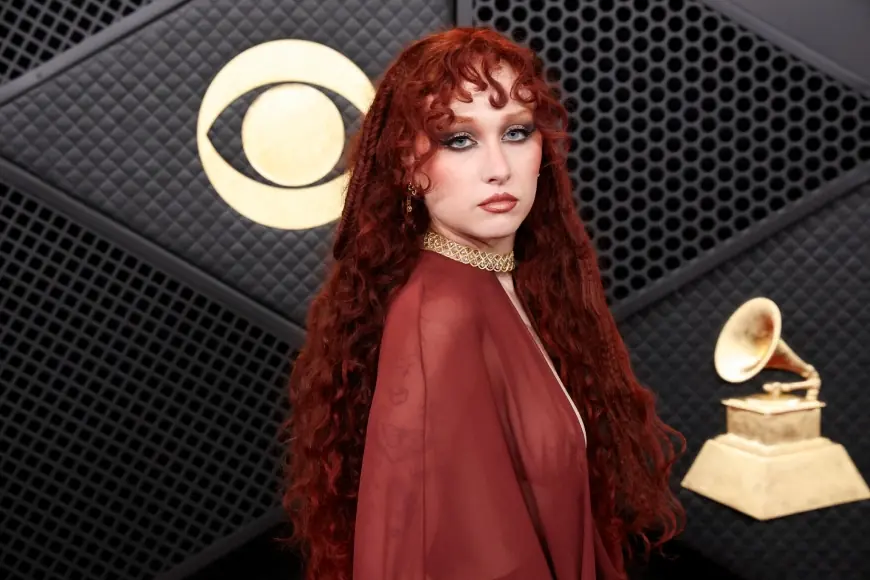
On Sunday, February 1, 2026, the Grammys delivered its usual mix of trophies, performances, and red-carpet theater — but the most persistent conversation afterward centered on one look: Chappell Roan in a sheer, deep-burgundy Grammy outfit designed to read as a “naked dress” held up by faux nipple piercings. The visual was instantly polarizing: some viewers called it fearless stagecraft, others called it a stunt, and plenty landed somewhere in between — fascinated by the craftsmanship even if they didn’t love the idea.
The moment also revived a familiar comparison point in modern red-carpet discourse: Bianca Censori, whose name kept surfacing as shorthand for the cultural line between provocation, spectacle, and taste.
Chappell Roan’s dress: what she actually wore
The dress itself was a couture-style illusion: a skin-toned bodice beneath sheer fabric, with carefully designed details that created the appearance of extreme exposure without crossing the line into actual nudity. The focal point — the faux piercings — functioned as the “hanger,” making it look like the garment was suspended from jewelry rather than stitched structure.
A dramatic matching cape added to the effect, pushing the look beyond “party dress” and into performance costume territory. Up close, the styling leaned into fantasy: bold beauty choices, body art elements, and a deliberately theatrical silhouette that fit Roan’s persona as much as it fit the event.
The conversation Roan leaned into afterward
In the hours after the show, Roan addressed the chatter in a breezy tone on social media, signaling she didn’t view the look as especially outrageous and encouraging people to have fun with self-expression. The response mattered because it reframed the narrative: rather than defending the outfit as high art or apologizing for it as a misstep, she treated the entire cycle as a predictable part of being visible — and kept the focus on choice and agency.
That posture also helped the moment avoid the usual spiral where a red-carpet controversy swallows an artist’s actual work. Roan’s week still included major career attention around nominations and visibility — but the outfit became a lens through which people debated modern pop identity, rather than a detour into pure scandal.
Grammys outfits and the “naked dress” arms race
The Grammys have long rewarded rule-breaking fashion more than most awards shows, and 2026 was no exception. The broader field of Grammys outfits leaned hard into sheer panels, sculpted latex-like finishes, and silhouettes designed for viral still photos.
Within that trend, Roan’s look stood out because it wasn’t only about skin — it was about a concept. The “naked dress” has become almost routine, but Roan’s version added a punchline and a critique at the same time: it teased the idea of indecency while relying on meticulous, legalistic coverage details that made the look broadcast-friendly.
Why Bianca Censori kept coming up anyway
Even without a single person owning the “most controversial” slot this year, Bianca Censori’s name hovered over the conversation as a reference point — a way for people to say, “Is this bold, or is this too far?” That comparison reveals something about how red-carpet debates work now: past moments become a measuring stick, and every new boundary-pushing look gets judged against the most extreme examples that viewers still remember.
In that context, Roan’s outfit became less about shock and more about calibration. It asked a practical question: how much of this is daring design, and how much is a carefully engineered illusion meant to trigger the exact conversation it’s now creating?
What this moment signals for pop fashion in 2026
Roan’s look also highlights a shift in how style functions for rising stars: fashion is no longer just “what you wore,” it’s part of the rollout. A red-carpet appearance can operate like a single, sharp scene in a longer narrative about persona, genre, and fan community.
The forward-looking takeaway is straightforward. If outfits keep doing this much cultural work — sparking debates about censorship, identity, and performance — stylists and artists will keep designing with that reaction in mind. That doesn’t mean every look will be more revealing; it means more looks will be more intentional, built to travel quickly and stay in the discourse for days.
Key takeaways
-
Chappell Roan’s Grammys 2026 dress used couture illusion and provocative styling to create a “naked dress” effect without actual nudity.
-
Her calm, playful social-media response helped steer the moment away from apology and toward self-expression.
-
Bianca Censori’s name resurfaced as a cultural comparison point, showing how last year’s extremes still shape this year’s fashion arguments.
Sources consulted: The Recording Academy; Associated Press; People; Elle