















Tomas-Llorenc Guarino Sabate Confronts Minions Music Ban at Milano Cortina Olympics

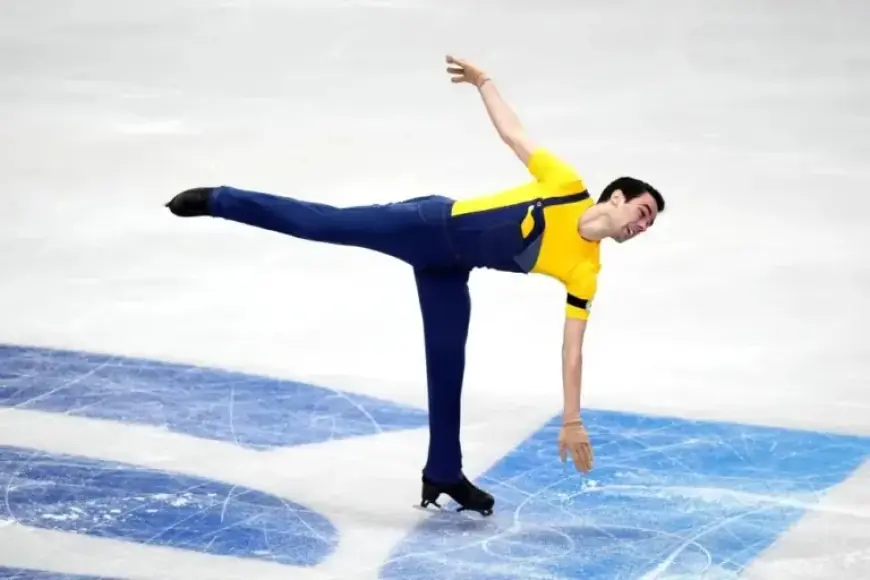
Spanish figure skater Tomas-Llorenc Guarino Sabate faces a significant challenge just before the Milano Cortina Olympics. He recently learned that he cannot use his music program, a medley from the animated film “Minions,” due to copyright clearance issues. This revelation came a mere four days before the Olympics’ opening ceremony.
Tomas-Llorenc Guarino Sabate’s Music Dilemma
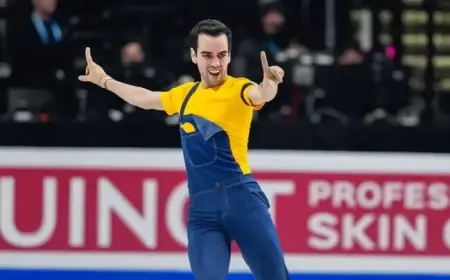
Sabate, 26, previously delighted audiences with his Minions-inspired performance, featuring him in a yellow T-shirt and blue overalls. However, he now must revert to one of his older programs for the men’s short program, scheduled for next Tuesday at the Milano Ice Skating Arena.
Challenges with Music Licensing
Sabate’s previous short program was accompanied by music from the Bee Gees, which he also used for his free skate this season. Consequently, the skater will perform twice to the same music—a less than ideal scenario for any contender.
- Tomas-Llorenc Guarino Sabate, 26 years old
- Event: Milano Cortina Olympics
- Issue: Inability to use “Minions” music due to copyright concerns
- Alternative music: Bee Gees
In recent years, figure skaters have struggled with copyright issues. Until 2014, the use of music with lyrics was generally prohibited. However, the International Skating Union (ISU) relaxed these rules to modernize the sport. Unfortunately, the complications surrounding music rights have persisted.
During the 2022 Beijing Games, U.S. pairs skaters Alexa Knierim and Brandon Frazier faced a similar situation. They used a cover of “House of the Rising Sun” without permission, resulting in copyright lawsuits against them by the band.
The Need for Clearer Processes
The ISU and national governing bodies have been working to establish systems to help skaters navigate music permissions. Sabate followed the appropriate procedures for his music approval through ClicknClear months before the season began but still faced difficulties.
The ISU acknowledged Sabate’s situation and stated it is collaborating with rights holders to improve the music clearance process. ISU president Jae Youl Kim emphasized the need for ongoing dialogue with music companies to resolve these issues.
- ISU’s collaboration with rights clearance stakeholders
- Current systems: ClicknClear and databases like Songview
- Skaters’ responsibility: Ensuring music is cleared
While organizations like U.S. Figure Skating work with entities like ASCAP and BMI to assist athletes, the final responsibility lies with the individual skaters. Some, like world champion Alysa Liu, have successfully built relationships with artists for music permissions. In contrast, others, such as three-time U.S. champion Amber Glenn, describe the process as chaotic and troubling.
The copyright challenges came to a head for Sabate right before the most important competition of his career. As he prepares for the short program in Milano, the focus remains on overcoming the hurdles that music licensing can impose on athletic performances.