
























B.C. Forestry Council Advocates Regional Land Stewardship Over Target Setting

The Provincial Forestry Advisory Council in British Columbia is advocating for a significant restructuring of the province’s forestry management system. Released on February 2, 2026, the council’s report suggests these changes are essential as the current system is deemed outdated and ineffective. It emphasizes a shift towards regional land stewardship while reducing the focus on specific timber harvest targets.
B.C. Forestry Council’s Vision for Change
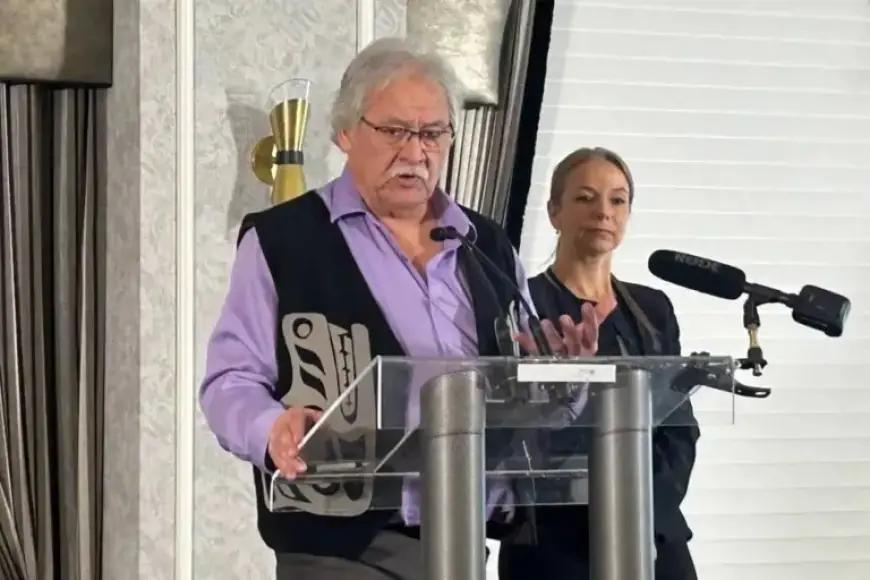
Shannon Janzen, co-chair of the advisory council and former vice-president of Western Forest Products, stated that the need for reform has developed over decades. The council aims to facilitate systemic change to enhance the forestry sector’s alignment with environmental and community needs.
Co-Chairs and Collaborative Efforts
Alongside Janzen, Garry Merkel from the Centre for Indigenous Land Stewardship co-chairs the council. Merkel has also contributed to the Old Growth Strategic Review report. Formed as part of the 2025 Cooperation and Responsible Government Accord with the Green Party, the advisory council is responsible for providing actionable recommendations to improve both the forestry sector and the ecosystem.
Key Recommendations from the Council
- Create a comprehensive inventory of B.C. forests using advanced mapping technology.
- Develop regional land management plans that facilitate better local oversight.
- Establish an independent oversight body to oversee forest management practices.
- Implement a new timber pricing strategy that correlates with sustainable practices.
- Formulate specific management zones to minimize wildfire risks in urban-wildland interfaces.
Need for Systematic Reform
Forests Minister Ravi Parmar acknowledged the necessity for significant changes, signaling a governmental willingness to explore the council’s recommendations. He underscored the necessity of balancing job support with transformative change in the forestry sector.
The challenges in B.C.’s forestry landscape are extensive. Over the past century, many short-term fixes have been added to an already complex system. Merkel described this layered approach as fragmented and likened it to a poorly constructed cake. He advocates for new area-based decision-making bodies, which would provide localized management with provincial oversight.
Addressing the Ecological Need
Determining boundaries for these new regions will require consideration of diverse ecological and community factors. The goal is to create interconnections between various ecological needs, such as the protection of caribou habitats.
Challenges and Criticisms
The advisory council’s report includes ten detailed recommendations to modernize forest management. However, B.C. Conservative Forests Critic Ward Stamer expressed concerns. He believes the report overlooks fundamental issues within the timber industry, such as fiber supply and efficiency of regulatory processes.
Stamer calls for a streamlined decision-making process to alleviate bureaucratic delays in permitting and simplify the system to secure a stable fiber supply for the industry.
The comprehensive review conducted by the Provincial Forestry Advisory Council represents a critical step towards enhancing stewardship of British Columbia’s forests while ensuring a more sustainable future for the industry and surrounding communities.