

























Musk Combines SpaceX and xAI to Build Space-Based AI Data Centers

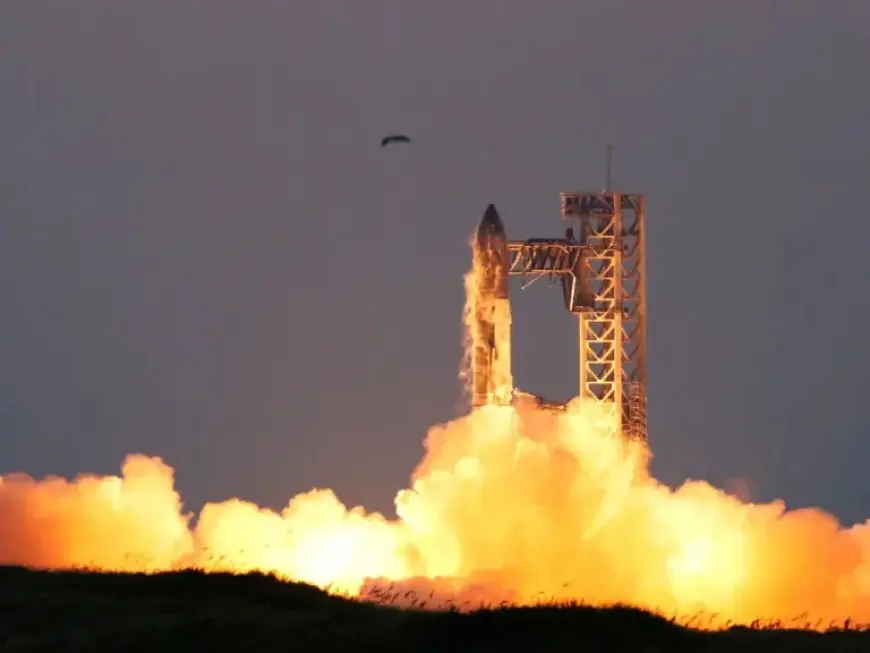
Elon Musk has announced a strategic merger between SpaceX and his AI venture, xAI. This collaboration aims to develop space-based data centers to support the growing energy demands of artificial intelligence. The announcement was made on the SpaceX website, where Musk elaborated on the challenges of meeting AI’s power requirements.
Musk’s Vision for Space-Based AI Data Centers
According to Musk, traditional methods of powering AI are not sustainable. He stated, “AI demand will require immense amounts of power and cooling.” The environmental impacts and difficulties faced by communities on Earth further complicate this issue. Musk believes that solar-powered data centers in space represent the only feasible long-term solution.
The Future of Energy and AI
Musk predicts significant energy generating potential from space. He noted that utilizing even a fraction of the Sun’s energy would demand more power than our current civilization consumes. Consequently, Musk views the transportation of resource-heavy AI operations off Earth as the logical path forward.
Merger Insights and Future Plans
The merger integrates Musk’s various ambitious projects in the fields of space exploration and artificial intelligence. SpaceX is recognized for its Falcon and Starship rocket programs, while xAI is known for the Grok chatbot technology. Additionally, xAI’s acquisition of the social media platform X (formerly Twitter) aligns with Musk’s broader technological vision.
- SpaceX and xAI merger to enhance AI capabilities.
- Musk calls for sustainable power solutions via space data centers.
- Collaboration with government bodies like NASA and the Department of Defense.
Industry Competition
Musk is not alone in his venture into space-based energy. Other tech leaders, such as Jeff Bezos with Blue Origin and Google’s Project Suncatcher, are also exploring solar-powered solutions. This growing trend highlights a competitive landscape in the quest for sustainable AI energy solutions.
Long-term Goals for SpaceX
Musk has ambitious plans for the future of SpaceX, including the launch of one million satellites to support various applications. The Starship program aims for a revolutionary launch frequency of one flight every hour, capable of carrying up to 200 tonnes. This infrastructure is essential for scaling AI operations in space.
In addition, SpaceX’s Starlink service is set for a significant upgrade with its upcoming V3 satellites. These new satellites will dramatically increase capacity, enhancing the service’s capabilities beyond what current models offer.
As these developments unfold, the fusion of SpaceX and xAI signifies a pivotal moment in the relationship between AI and space technology, potentially reshaping both industries.