
























Congress Approaches Key Vote to End Brief Partial Government Shutdown

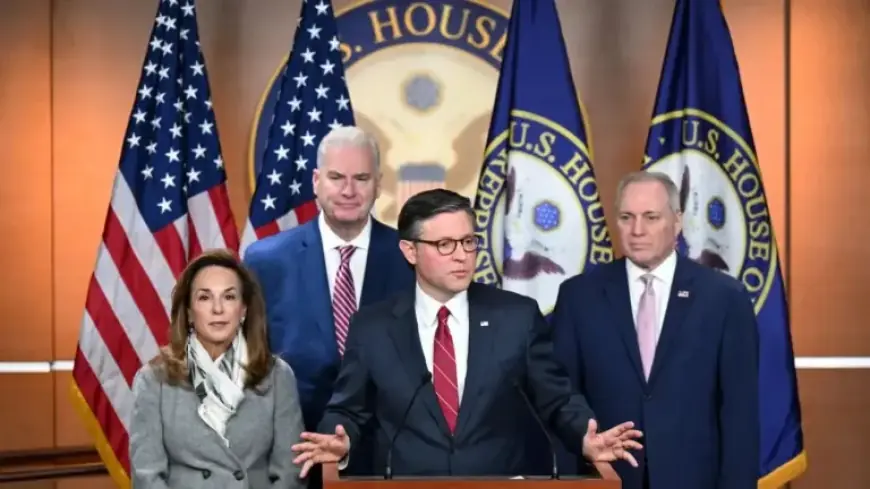
The House of Representatives took a significant step on Tuesday by advancing a spending package aimed at ending a brief partial government shutdown. With a narrow vote of 217 to 215, the legislation is poised for a final vote later today, potentially allowing it to reach the President’s desk.
Key Details of the Spending Package
This budget bill, exceeding $1 trillion, encompasses substantial funding for various government departments, notably:
- Department of Defense
- Department of Health and Human Services
- Department of Housing and Urban Development
- Department of Transportation
Funding for these departments will extend through September of this year. However, the Department of Homeland Security (DHS) will only receive funding until February 13. This short-term measure is a result of disagreements surrounding immigration enforcement tactics, particularly after recent controversial incidents involving federal officers.
Political Maneuvering
House Speaker Mike Johnson, R-La., confirmed that President Trump played a vital role in shaping this agreement, negotiating with Senate Democrats to reach a compromise. The backdrop of these discussions was marked by heightened tensions following the shooting deaths of two U.S. citizens by immigration officers in Minneapolis.
As the House Democrats showed division over the agreement, all Republican members were urged to support the bill. Some hard-right Republicans voiced concerns about lacking additional restrictions they desired, such as the SAVE Act, which tightens voter registration requirements.
Future Implications for Immigration Policy
The approval of this spending package is just the beginning of what promises to be a contentious debate over immigration policy. Lawmakers have only a limited timeframe to address DHS-related issues. Key proposals under consideration include:
- Mandating body-worn cameras for officers
- Preventing officers from concealing their identities during operations
- Requiring judicial warrants for enforcement actions
While there is bipartisan inclination towards certain measures, significant policy disagreements remain. Republicans have indicated intentions to introduce legislation targeting “sanctuary cities,” further complicating negotiations.
Historical Context
This situation follows a precarious period marked by a record 43-day federal government shutdown last fall. Lawmakers are keen to avert a repeat of such a lengthy disruption. Previous agreements had led to a temporary budget extension, yet divisions over DHS operations had left parts of the government at risk of funding lapses.
The passage of this provisional funding is critical to maintaining government operations and addresses urgent funding needs without resorting to drastic cuts originally proposed by the Trump administration, such as severe reductions to the Centers for Disease Control and Prevention.
As Congress continues to navigate these complex discussions, the short window provided by this funding agreement will be crucial in shaping future immigration policies and funding allocations for the government.