






















Lauryn Hill 2026 Grammys tribute spotlights Roberta Flack, D’Angelo, and Reba

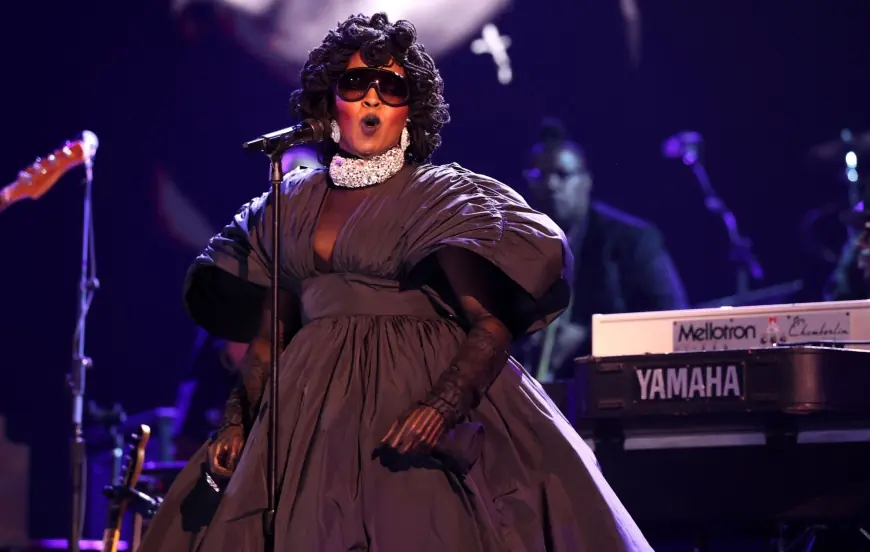
The 2026 Grammy telecast leaned heavily into remembrance, with a centerpiece medley that tied together three generations of soul, R&B, and hip-hop. The night’s most talked-about moment came when Lauryn Hill returned to the Grammys stage to lead a memorial performance that honored Roberta Flack and D’Angelo—two artists whose music helped shape modern R&B’s vocabulary.
If you’re wondering, “is lauryn hill performing at the grammys,” the answer this year was yes: she performed during the Grammys’ annual memorial segment on Sunday, February 1, 2026 (ET), and then appeared again later in the night in a separate, off-camera setting.
Lauryn Hill 2026 Grammys performance anchors the night
The lauryn hill 2026 grammys appearance carried extra weight because it doubled as a rare televised return and a thematic bridge between eras: Flack’s intimate, storyteller ballads; D’Angelo’s elastic neo-soul; and Hill’s own genre-defying approach that pulls from both.
Hill opened with “Nothing Even Matters,” her 1998 duet with D’Angelo, using it as a direct through-line into a larger set built around his catalog. From there, the performance widened into a rotating cast of singers and musicians, turning the tribute into an ensemble celebration rather than a single-voice elegy.
D’Angelo tribute Grammys medley and Roberta Flack honors
The d’angelo tribute grammys portion highlighted the late artist’s most influential work, underscoring his reputation as a studio craftsman whose grooves and vocal phrasing became a blueprint for modern R&B. D’Angelo died in October 2025 at age 51 after a cancer battle that was not widely public while he was alive.
The tribute then pivoted to roberta flack, who died in February 2025 at age 88 after years living with ALS. The shift in tone was deliberate: from D’Angelo’s dense, rhythmic precision to Flack’s quiet emotional control. The set treated Flack not just as a hitmaker but as a vocalist whose restraint and clarity influenced generations of singers who followed.
In Memoriam 2026 tributes at a glance (ET):
| Honoree or focus | What the segment emphasized | Featured performers (highlights) |
|---|---|---|
| D’Angelo | Signature neo-soul tracks and musical influence | Lauryn Hill, plus multiple guest vocalists and bandleaders |
| Roberta Flack | Classic ballads and legacy as a mentor figure | Lauryn Hill, Wyclef Jean, and a large guest lineup |
| Ozzy Osbourne | Heavy-rock anthem tribute | Post Malone, Slash, Duff McKagan, Andrew Watt |
| Broader memorial montage | Industry losses over the past year | Reba with additional guest musicians |
Wyclef Jean joins Lauryn Hill onstage
Wyclef jean’s appearance added a second layer to the tribute: the weight of musical history shared with Hill, and the emotional resonance of bringing that partnership into a memorial context. Their reunion also reframed one of the most iconic cross-genre moments tied to Flack’s catalog, reminding viewers how far her songwriting and interpretive style traveled beyond her own recordings.
Rather than treating the segment as nostalgia, the staging emphasized continuity—how a single songbook can ripple forward, reappearing in different voices, different eras, and different cultural moments.
Reba’s role in the Grammy In Memoriam 2026 segment
Reba’s presence mattered because the memorial segment wasn’t limited to one genre lane. Her performance helped widen the emotional register of the night and connected the broader montage of industry losses to a personal note: she also honored her late stepson, Brandon Blackstock, within the same segment.
That choice fit the Grammys’ long-running approach to In Memoriam: mixing marquee names with figures whose impact was felt through careers behind the scenes, family ties, and the business of music as much as the spotlight.
Lauryn Hill today, after the ceremony
Lauryn hill today is trending for more than the broadcast itself. After the televised show, she also delivered a surprise late-night set at an invitation-only after-party in Los Angeles, performing fan-favorite songs and briefly sharing the stage with Jamie Foxx. The contrast—solemn tribute on the main stage, then a looser, celebratory appearance hours later—captured the dual nature of award-show weekend: mourning and celebration running side by side.
What comes next is less about speculation and more about measurable impact. Tributes like this tend to drive renewed attention to catalogs, posthumous listening spikes, and deeper conversations about influence—especially when the performance is built around musicians whose work shaped the sound of the past 30 years.
Sources consulted: Recording Academy; Los Angeles Times; Entertainment Weekly; People Magazine