

























Renewables Power Over 50%: Are Energy Prices Falling?

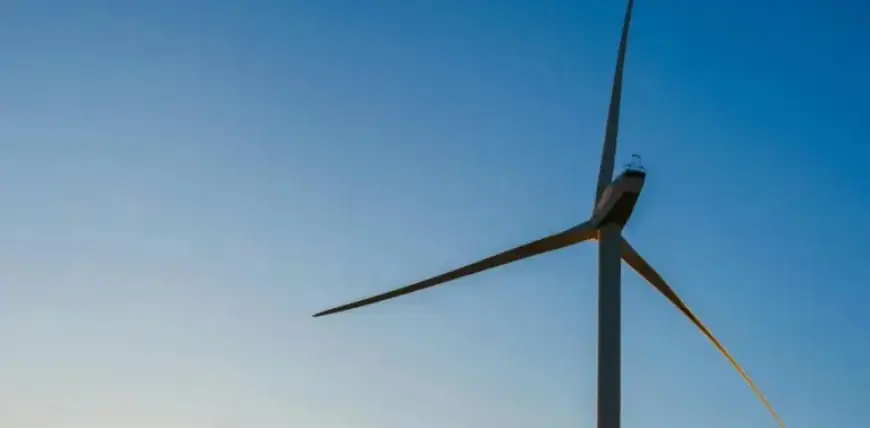
Australia has made significant strides in its energy transition, particularly in the last quarter. Renewables and energy storage accounted for over 50% of the electricity supply for the first time. This substantial shift has coincided with wholesale power prices plunging more than 40% compared to the previous year.
Renewables Power Over 50%: Are Energy Prices Falling?
The growing reliance on renewable energy sources marks a pivotal moment in Australia’s energy landscape. With more coal plants being decommissioned, the nation could see a notable decrease in retail electricity costs by mid-2026.
Trends in Power Generation
The last quarter witnessed remarkable improvements in renewable energy generation:
- Wind generation rose by almost 30%.
- Grid solar output increased by 15%.
- Grid-scale battery production nearly tripled.
- Natural gas generation fell by 27%, reaching its lowest level in 25 years.
- Coal production dropped by 4.6%, marking the lowest quarterly figure ever recorded.
This surge in renewable energy contributions supports the claim that energy prices are on a downward trajectory. However, consumers may not feel the effects immediately due to the complexity of electricity billing structures.
The Stability of the Power System
Australia’s power system has demonstrated resilience under extreme conditions. Aging coal plants, which had become less reliable, managed to provide essential power when needed. Meanwhile, the increase in renewable energy production, particularly from roof solar, has effectively matched rising demand, especially from air-conditioning.
Innovations in Energy Storage
Advancements in battery technology have revolutionized energy storage in Australia. Previously reliant on expensive pumped hydro facilities, the ability to store energy in batteries is now commonplace. Since 2024, Australia has added nearly 4,000 megawatts of grid storage, enabling better management of surplus energy from renewables.
Challenges in Transmission and Gas Dependency
While progress has been made, several challenges remain. New transmission infrastructure is necessary to sustain higher levels of renewable energy. Delays in construction mean that some coal plants, like Eraring, will continue operating until 2029. Gas, while less utilized now, remains a crucial component for filling gaps during periods of low renewable output.
In particular, Victoria faces unique challenges due to its heightened dependency on gas. The Bass Strait wells are depleting, necessitating a more aggressive strategy to develop new gas resources, including offshore exploration efforts.
Looking Ahead
Despite the challenges, Australia is making tangible progress in transforming its energy grid. The country has surpassed the previously thought limit of 20% renewables. Although the federal government’s ambitious target of 82% renewables within four years presents its own set of difficulties, the current momentum indicates a positive trajectory.
With the continuous growth of renewables and advancements in storage technology, Australia looks poised for a more sustainable energy future.