






















Medvedev Warns of Global Peril Without Nuclear Arms Control Treaty

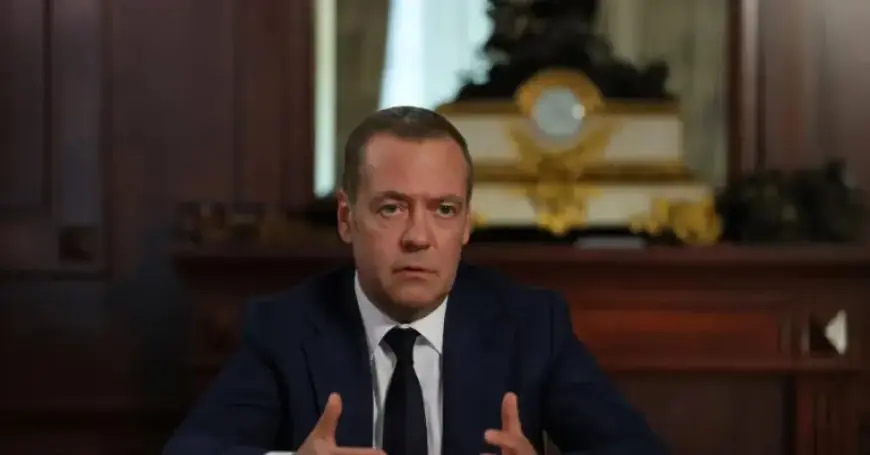
In a recent statement, Dmitry Medvedev, a prominent Russian security official, highlighted the potential global dangers posed by the expiration of the New START treaty. He warned that failing to renew this critical U.S.-Russian nuclear arms control agreement could escalate international tensions and accelerate the symbolic “Doomsday Clock.”
Implications of New START Treaty Expiration
The New START treaty, originally signed by Medvedev in 2010 during his presidency, is set to expire soon. Without a renewed agreement between Moscow and Washington, concerns heighten regarding nuclear proliferation and global security. Medvedev explicitly stated that while the end of the treaty may not instantaneously trigger disaster, it should nevertheless serve as a serious warning.
Current U.S. Administration’s Stance
U.S. President Donald Trump has signalled a willingness to let the treaty lapse without considering an extension proposed by Moscow. He remarked, “If it expires, it expires… We’ll just do a better agreement,” indicating potential U.S. confidence in renegotiating terms. Medvedev responded by emphasizing the need for caution, as the absence of controls could lead to increased global instability.
The “Doomsday Clock” and Global Security
Medvedev drew parallels between the treaty’s expiration and the potential acceleration of the “Doomsday Clock,” which symbolizes the threat of nuclear catastrophe. He stated, “The clocks are ticking, and they obviously have to speed up,” urging global leaders to take the situation seriously.
Challenges of Including China
The U.S. has suggested that China, the third-largest nuclear power, participate in future arms control discussions. However, China has shown little interest in engaging in such negotiations, complicating the broader dialogue surrounding nuclear arms control.
Medvedev’s Role and Perspectives on Global Conflict
Medvedev is deeply entrenched in Russian politics, serving as a close associate of President Vladimir Putin and holding various significant government roles. He noted that, despite strained relations with the West, Russia does not seek global conflict. “We are not crazy,” he asserted, maintaining that Moscow prefers stable international relations.
Russia’s Defense and Technological Advancements
In light of the ongoing conflict in Ukraine, Medvedev reported a significant increase in Russia’s military production capabilities. He claimed that the country’s defense industry has adjusted effectively to the demands of modern warfare, particularly drone technology.
- Production volumes have risen substantially since the conflict began.
- Medvedev highlighted the urgency of maintaining competitiveness in advanced technologies, including artificial intelligence and quantum computing.
Reflecting on historical challenges faced by Russia, he remarked on the importance of investing in research and development to avoid falling behind in critical scientific fields.
As global dialogues surrounding nuclear arms control continue, the fate of the New START treaty remains crucial in shaping future international relations, with Medvedev warning that neglecting such agreements could have dire consequences for global safety.