























US Judge Blocks Trump’s Plan to End Protections for 350,000 Haitians

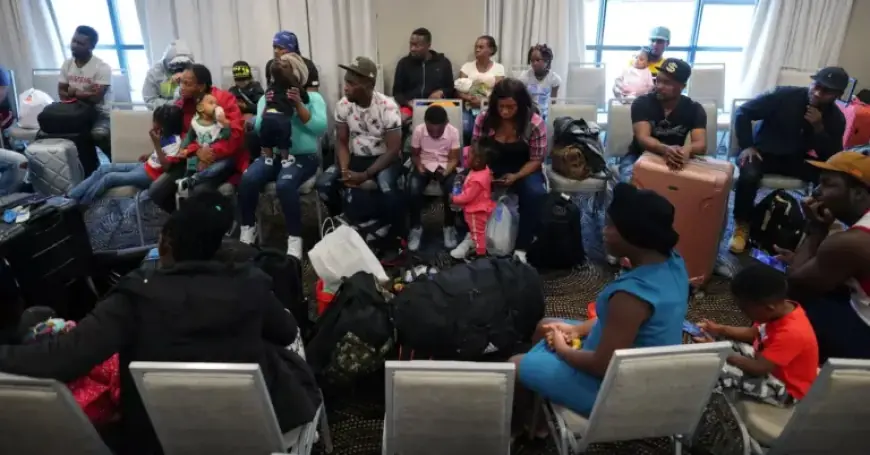
A federal judge recently intervened to protect over 350,000 Haitians in the United States by blocking an attempt to revoke their legal protections. This significant decision came from U.S. District Judge Ana Reyes in Washington, D.C., who ruled against a move by the Trump administration to terminate Haiti’s Temporary Protected Status (TPS).
Details of the Ruling
The judge’s ruling came in response to a class-action lawsuit filed by Haitian immigrants. The lawsuit argued that the termination of TPS would expose them to deportation to a country experiencing rampant gang violence and instability. Judge Reyes confirmed that the Homeland Security Secretary Kristi Noem likely violated established procedures when attempting to end the protections.
Background on Temporary Protected Status
- Haiti’s TPS was established after a devastating earthquake in 2010.
- TPS allows eligible migrants to work and protects them from deportation.
- Over 1.4 million people in Haiti have been displaced by ongoing violence.
Implications of the Decision
This ruling secures the status of Haitian TPS holders, allowing them to remain in the U.S. and contribute to their communities. The law firm representing the plaintiffs noted that the risks facing these individuals if sent back to Haiti are grave.
Government Response
Despite the ruling, a spokesperson for the Department of Homeland Security indicated plans to appeal the decision. They emphasized that TPS was always meant to be temporary, stating, “Temporary means temporary.”
Current Conditions in Haiti
The situation in Haiti remains dire, with humanitarian estimates indicating that over 6 million people require assistance, including about 3.3 million children. The ongoing political, economic, and security crises continue to deteriorate conditions further.
In summary, Judge Reyes’ decision helps protect vulnerable Haitian immigrants in the U.S. while highlighting ongoing challenges in their home country. As discussions around immigration and humanitarian protections evolve, the future of TPS remains a focal point in U.S. immigration policy.