






















Minneapolis Immigration Officers to Wear Body Cameras, Noem Announces

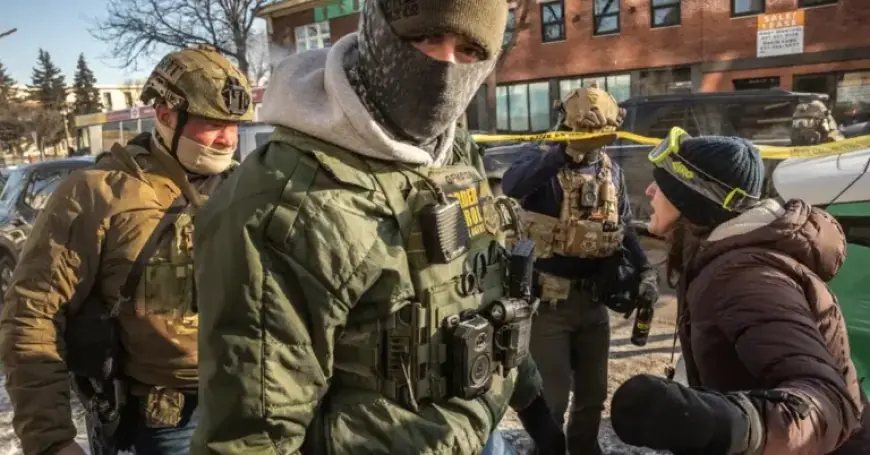
Minneapolis immigration officers will soon wear body cameras, according to an announcement from Kristi Noem, the Secretary of Homeland Security. This decision is effective immediately and is part of a broader effort to enhance transparency in immigration enforcement.
Details of the Body Camera Initiative
The initiative aims to expand body camera usage nationwide as funding permits. In a recent social media announcement, Noem stated, “We will rapidly acquire and deploy body cameras to DHS law enforcement across the country.” This move responds to rising public concern and legislative scrutiny over aggressive tactics employed by federal immigration officers.
Context of the Announcement
This policy change stems from multiple incidents involving federal officers that have sparked controversy. One such case involved the fatal shooting of Renee Good in Minneapolis last month. While federal authorities claimed she tried to run over an officer, local officials and witness video contradicted this account.
Concerns Over Past Incidents
- In another case, U.S. citizen Alex Pretti was shot by federal agents, with officials initially claiming he resisted arrest and posed a threat.
- A preliminary review found no evidence that Pretti had brandished a weapon, raising questions about the official narrative.
- Body camera footage from both incidents has not been made public, intensifying calls for transparency.
Legislative Support for Body Cameras
The announcement follows discussions between Noem and various officials, including Tom Homan, the former acting director of ICE. President Trump remarked on the initiative, stating that body cameras “generally tend to be good for law enforcement.” Bipartisan support exists among lawmakers for funding such initiatives.
The House recently passed a spending bill allocating $20 million for body cameras for federal immigration officers. However, funding the Department of Homeland Security remains contentious, with ongoing negotiations for a broader immigration reform package.
Historical Funding and Enforcement Operations
Recent funding provided to the Department of Homeland Security amounts to approximately $170 billion over four years. This financial support has enabled the deployment of federal immigration officers across various U.S. cities, including Chicago and New Orleans, in efforts to curb illegal immigration.
In Chicago, a federal judge ordered immigration officers to activate their body cameras during arrests, yet discrepancies in reported footage have raised compliance concerns. The Department of Homeland Security maintains that it has adhered to legal requirements regarding body camera use.
As this initiative unfolds in Minneapolis and beyond, the emphasis on transparency and accountability in federal immigration enforcement continues to grow.