























Judge Halts Trump Move to End Haitians’ Temporary US Legal Status


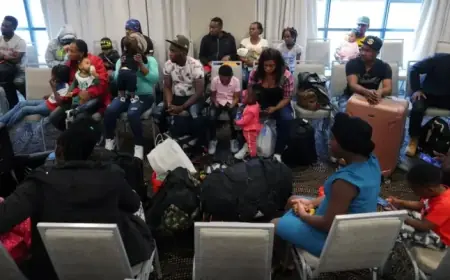
A federal judge has intervened to protect approximately 350,000 Haitians from deportation by blocking the Trump administration’s effort to end their Temporary Protected Status (TPS). The ruling was made by U.S. District Judge Ana Reyes in Washington and came on a Monday. She issued a stay on the termination of TPS while a lawsuit challenging the decision is underway.
Details of the Ruling
The TPS for Haitians was set to expire on February 3. Judge Reyes specified that during the stay, the termination would be considered null and void, effectively maintaining the current status for TPS holders.
Temporary Protected Status Explained
- TPS allows individuals from designated countries to live and work in the U.S.
- It is granted when the conditions in their home countries are deemed unsafe.
- This can be due to natural disasters, political instability, or other hazards.
While TPS affords the right to work, it does not create a path to U.S. citizenship. The Trump administration has actively pursued measures to end such protections, thereby increasing eligibility for deportation.
Wider Implications of TPS Termination
The administration’s efforts extend beyond Haiti, affecting around 600,000 Venezuelans and thousands from Honduras, Nicaragua, Nepal, Afghanistan, and Cameroon. Some of these cases are also subject to pending lawsuits.
Background on Haiti’s TPS Status
Initially granted TPS in 2010 following a devastating earthquake, Haiti’s designation has seen multiple extensions amidst ongoing turmoil. The current situation is worsened by rampant gang violence, which has uprooted countless families.
Legal Arguments Surrounding TPS
Lawyers for Haitian TPS holders argue that the end of this status would lead to severe repercussions, including death from violence or disease. They claim the administration’s decision is rooted in racial bias, citing a lack of consideration for the ongoing conflict in Haiti.
Government’s Position
The Department of Homeland Security (DHS) contends that conditions in Haiti have improved. Their court filings assert that the accusations of racial animus are unfounded and that Secretary Kristi Noem provided valid reasons for her decisions. They highlighted a government notice indicating some positive developments, such as a newly authorized multinational force aimed at tackling gang violence.
Despite these assertions, the ruling safeguards the status of Haitians in the U.S. while the legal proceedings unfold, keeping the debate about the future of TPS and racial considerations at the forefront.