Dr. Peter Attia Faces Fallout After New Epstein Files Release Puts His Past Contacts Under a Harsh Spotlight

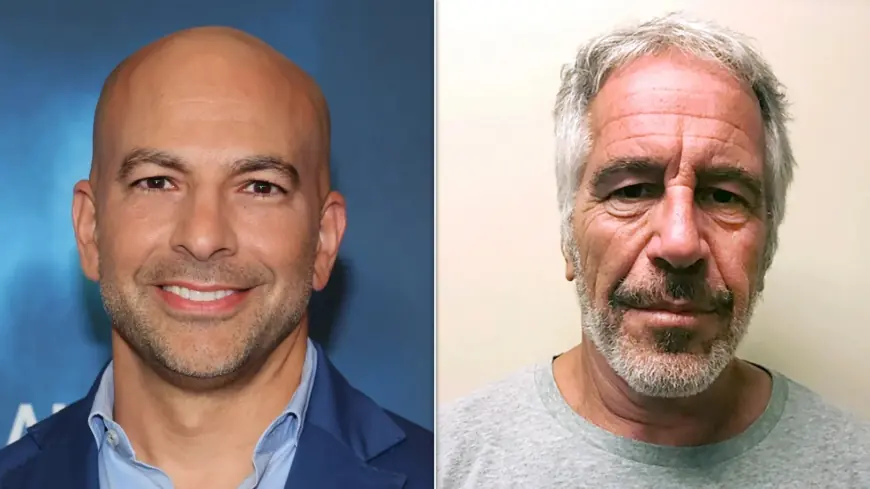
Dr. Peter Attia, the physician and longevity influencer behind the “Medicine 3.0” brand and the best-selling book Outlive: The Science and Art of Longevity, is facing a fast-moving reputational crisis after a newly released trove of federal Jeffrey Epstein records renewed scrutiny of people who remained in Epstein’s orbit long after his 2008 conviction.
The controversy erupted in the days after a large document release dated Friday, January 30, 2026 ET, and intensified on Monday, February 2, 2026 ET, when Attia issued a public response acknowledging that some of the messages attributed to him were embarrassing and indefensible while denying any involvement in Epstein’s criminal activity. The story now sits at the intersection of celebrity medicine, institutional vetting, and the uncomfortable reality that “association” can be professionally devastating even without a criminal allegation.
What happened: the Epstein files release and the Attia mentions
The trigger was scale. The latest release contains millions of pages of material tied to Epstein investigations, and within that flood of records, Attia’s name appears repeatedly in ways that suggest ongoing contact over multiple years. The volume of references has become a headline in itself, because it implies more than a one-off meeting and forces a broader question: what did influential figures think they were doing by maintaining access to a convicted sex offender’s world?
That question sharpened because the records indicate the relationship continued well past the point when Epstein’s reputation and legal history were widely known. In the court of public opinion, that timing often matters as much as any single email.
Attia’s response: denial of wrongdoing, apology for tone, acknowledgment of contact
In a public statement released Monday, February 2, 2026 ET, Attia denied participating in criminal activity and said his interactions with Epstein were not connected to sexual abuse or exploitation. He also apologized for the content and tone of certain exchanges, describing them as crude and humiliating in retrospect.
He has also described meeting Epstein several times over a period spanning the mid-to-late 2010s, primarily in New York, while maintaining that he did not witness illegal conduct or observe anything that raised the alarm he believes people now assume should have been obvious.
That combination of denial and contrition is strategically common in modern public crises: draw a bright line against criminality, concede moral or professional failure in judgment, and accept reputational consequences without admitting to facts that could carry legal exposure.
Behind the headline: why this is blowing up now
Context matters. The wellness and longevity economy has evolved into a trust marketplace. Many consumers don’t have the expertise to audit biomedical claims, so they rely on credibility signals: credentials, institutional affiliations, brand partners, and media platforms willing to put an expert on screen.
That is why this controversy is not just gossip. It is about the credibility chain. If one link breaks, everything attached to that expert becomes fair game: medical branding, paid partnerships, speaking opportunities, and the perceived legitimacy of the “longevity medicine” movement itself.
Incentives are also clear. Institutions want recognizable names that can draw audiences. Influencers want prestige anchors that separate them from the crowded health-content field. The risk is that prestige often comes with light-speed exposure: a single high-profile announcement can turn into a liability overnight if old associations re-emerge.
Stakeholders: who has leverage and who takes the hit
Attia is the most visible stakeholder, but the blast radius is wider:
-
Media organizations and publishers that promoted him as a trusted voice now face questions about vetting standards and the cost of “star expert” strategies.
-
Corporate partners and investors must decide whether the brand damage threatens sales, recruiting, or long-term positioning.
-
Patients and followers are forced into a personal decision: separate medical advice from the messenger’s judgment, or treat judgment as inseparable from trust.
-
The broader medical influencer ecosystem faces renewed pressure around ethics, accountability, and where professional responsibility ends when a physician moves into celebrity territory.
A parallel debate is already unfolding in public: what people believe a physician’s ethical obligations should be when encountering a known predator socially, and whether “I didn’t see anything illegal” is a sufficient standard for someone whose professional identity is built on prevention and risk management.
What we still don’t know
Several key pieces remain unresolved as of February 3, 2026 ET:
-
The full context of the most controversial messages, including what is missing due to redactions or incomplete threads.
-
Whether any additional records will emerge that materially change the nature of the relationship beyond tone and frequency of contact.
-
Whether any professional bodies, employers, or partners initiate formal reviews, and what standards they apply.
-
What institutional decision-makers will do next: whether they distance quietly, terminate publicly, or attempt to ride out the news cycle.
It is also important to separate two ideas that the public often collapses into one: being referenced in a document release does not automatically mean criminal wrongdoing, yet ongoing contact with a convicted sex offender can still carry severe professional consequences.
What happens next: realistic scenarios and triggers
-
Rapid institutional separation
Trigger: internal reputational-risk math concludes the story will not fade quickly. -
A slower “pause and review” approach
Trigger: institutions seek more context and time, hoping to avoid appearing reactive. -
Business partner reshuffling
Trigger: brands decide that even neutral language is not enough to protect their image. -
Audience fragmentation
Trigger: supporters interpret the response as accountability, critics view it as insufficient, and the community splits into durable camps. -
A broader reckoning for celebrity medicine
Trigger: this becomes a template for how health influencers are vetted, especially when their authority is built on trust rather than direct clinical outcomes.
The practical impact is simple: Dr. Peter Attia’s credibility, once amplified by credentials and media visibility, is now being judged through a different lens—judgment, proximity, and the ethics of association. Whether the story becomes a permanent stain or a survivable scandal will depend less on one statement and more on what additional context emerges, how institutions act, and whether the public treats “bad judgment” as disqualifying in an industry that sells trust as its core product.