

























Bitcoin Stabilizes After Weekend Plunge Below $75,000

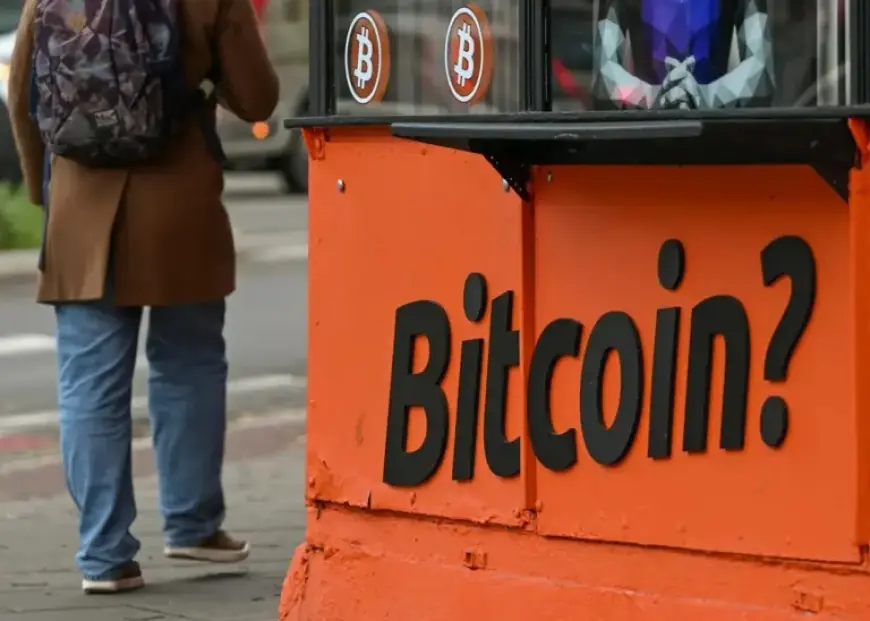
The cryptocurrency market experienced significant volatility over the weekend, with Bitcoin briefly dipping below the $75,000 mark. This decline was influenced by various macroeconomic and geopolitical factors that heightened traders’ risk-averse behavior.
Bitcoin’s Performance in February
As of Monday morning, Bitcoin recovered slightly, trading above $78,000. However, its performance in January was disheartening, ending with a decrease of 10.17%. This marked its fourth consecutive monthly loss and the worst January performance since 2022. Notably, Bitcoin’s average price in February stands at 12.2% lower than its previous year-end result of a 17.39% decline, according to data from CoinGlass.
Market Liquidations
- Over $5 billion has been liquidated from the cryptocurrency markets in just four days.
- This recent wave represents the largest liquidation event since October 10, which saw $19.1 billion wiped from the market.
Current Market Conditions
According to Timothy Misir, head of research at Blockhead Research Network, Bitcoin is currently trading below the True Market Mean of $80.5K and the Average Investors Mean of $87.3K. This situation has left short-term holders facing substantial losses, with a short-term holder cost basis resting at $95.4K.
Misir emphasized that the focus will remain on how the recent nomination of Kevin Warsh as Fed chair affects dollar liquidity expectations. He noted that the stabilization of ETF flows will be a critical indicator for market health.
ETF Trends and Impact
- Bitcoin ETFs experienced significant outflows, amounting to $1.49 billion in the last week.
- The iShares Bitcoin Trust alone lost $947.1 million during this period.
Expert Insights on Market Trends
Nic Puckrin, cofounder of Coin Bureau, described Bitcoin’s start to the year as “abysmal.” He pointed out that Bitcoin is now trading lower than the average ETF cost basis of approximately $84,000. However, he also noted that this scenario isn’t dire for all entities, as certain strategies avoid forced liquidations.
Despite the current drawdown, Puckrin reminds us it is not unprecedented. Historically, Bitcoin has seen declines between 72% and 84% from peak to trough. With current volatility reducing, he speculated that a deep market correction might be less likely this cycle.
Bearish Outlooks Amid Market Uncertainty
Conversely, some experts express concern over the market’s trajectory. Vasily Shilov, CBDO at SwapSpace, mentioned that there is a prevalent sentiment predicting a collapse similar to the events of 2022. Ray Youssef, CEO of crypto app NoOnes, echoed this sentiment, suggesting Bitcoin’s price could fall to between $69,000 and $71,000 in the first half of 2026.
Key Support Levels
Youssef pointed out that while Bitcoin has found some temporary support between $75,000 and $76,000, the main support level appears to be at $73,000. A break below this threshold could see Bitcoin’s price drop further to below $60,000 by the end of February.