
























NASA Conducts Critical Test Fueling Moon Rocket for Artemis Launch Timeline

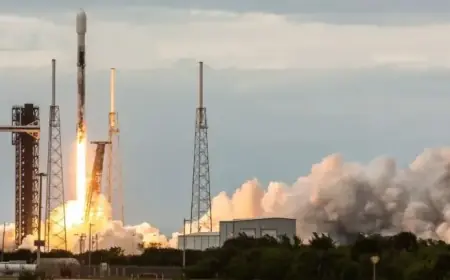
NASA faced challenges during a critical fueling test for its new moon rocket, the Artemis program. This operation at the Kennedy Space Center is essential in determining the timeline for astronaut launches on a lunar mission.
Nasa’s Artemis Program: Key Developments
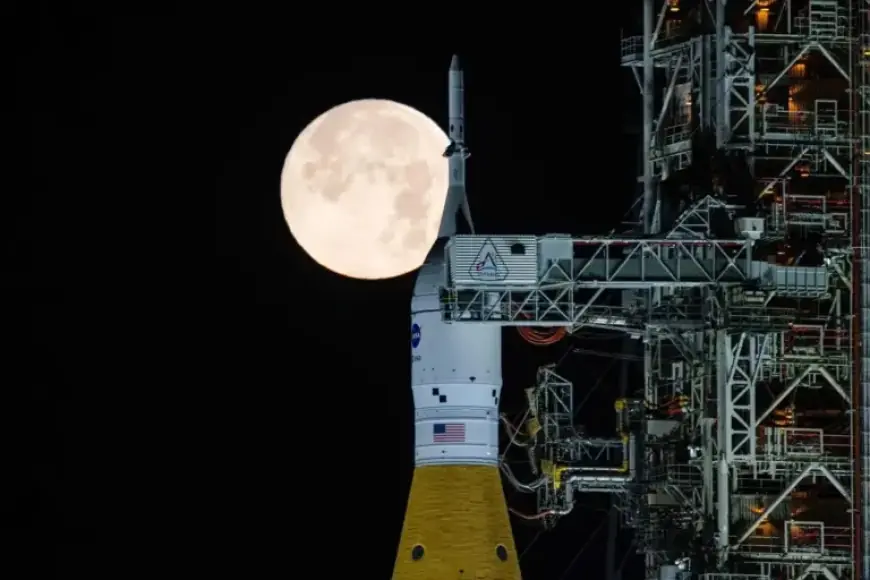
The 322-foot (98-meter) Artemis rocket was scheduled to undergo a fueling test, where it would be loaded with super-cold hydrogen and oxygen. The goal was to transfer over 700,000 gallons (2.6 million liters) of propellant into the rocket, simulating the final countdown stages.
Leak Detected During Fueling Operation
Midway through the daylong process, excessive hydrogen was detected near the rocket’s base. Consequently, hydrogen loading was halted with only half of the core stage filled. Engineers quickly implemented solutions that were developed during past tests, particularly after previous hydrogen leaks that hindered the rocket’s debut launch three years ago.
Remote Monitoring and Crew Quarantine
The crew, which includes three Americans and one Canadian, monitored the process from approximately 1,000 miles (1,600 kilometers) away in Houston. For the last one and a half weeks, they have been in quarantine, awaiting the outcome of this vital countdown rehearsal.
Launch Timeline and Next Steps
This technical test is crucial for the upcoming lunar mission, as NASA aims to send its astronauts on a fly-by of the moon. If successful, the countdown could potentially lead to a launch as early as Sunday, with an imperative timeline to fly by February 11. Should the mission not take off by then, the next opportunity would be in March due to limited launch windows each month.
Mission Objectives
- The nearly 10-day mission will test the capsule’s life support and critical systems.
- Astronauts will not enter lunar orbit or attempt a landing.
- This mission aims to establish a framework for future moon landings as part of NASA’s Artemis program.
NASA’s last crewed mission to the moon was during the Apollo program in the 1960s and 1970s. The Artemis program envisions a more sustained human presence on the lunar surface, paving the way for more extensive exploration.