























Why Chappell Roan Loves Stirring Controversy With Festival Dresses

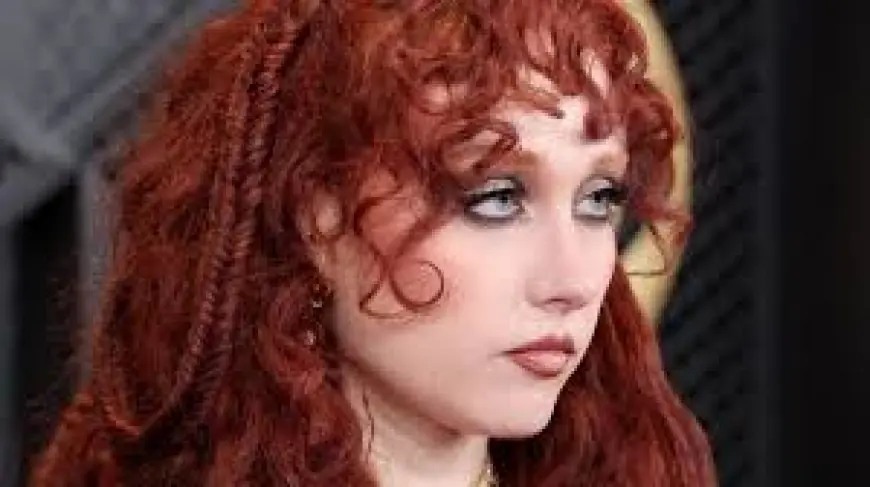
When Chappell Roan shows up to a festival, she’s rarely “just dressed.” She’s costumed, staged, and often a little confrontational on purpose—because the outfit isn’t a bonus feature. It’s part of how she performs pop: larger-than-life, drag-informed, and designed to make the crowd react before the first chorus hits.
That’s also why her festival dresses and bodysuits keep triggering debate. A festival audience is broad, daylight is unforgiving, cameras are everywhere, and clips travel instantly. In that environment, an extreme look becomes a statement—whether people mean to read one or not.
A festival look is a character, not clothes
Roan has been unusually direct about separating “offstage me” from “onstage me.” In everyday life she keeps things simple; onstage she builds a character that can handle stadium-size attention. Festivals amplify that need, because you’re performing to a field of strangers, not a room of fans who already know the bit.
So the outfits go theatrical: latex, armor-like silhouettes, exaggerated hair, heavy makeup, and costumes that flirt with horror, camp, and burlesque. The goal is less “pretty dress” and more “recognizable myth” from the back of the crowd.
She likes “pretty and scary”
A big part of Roan’s style is the tension between glamour and menace—cute and grotesque, polished and tacky. That’s why she’ll lean into looks that feel “disturbing” or intense, especially in spaces where pop performers often default to safer silhouettes.
Festivals are the best playground for that contrast. In a lineup full of casual streetwear and predictable stage fits, a deliberately unnerving or hypersexual costume becomes instantly legible: it says, “This is performance art, not a casual hang.”
Controversy is a built-in megaphone
Roan doesn’t need outrage to succeed, but she clearly understands how it works. A festival look that sparks arguments also sparks searches, clips, memes, and explainers—turning a 60-minute set into a week of conversation.
What’s different is that she rarely treats the discourse as sacred. She’s joked that people assign deep meaning to her looks when sometimes the real explanation is simpler: she thought it looked hot, or funny, or dramatic. That looseness—treating fashion like play—can frustrate viewers who want a neat “message,” and that friction becomes part of the spectacle.
The outfits are a form of boundary-setting
There’s another reason the looks go so big: they create distance. When a performer is costumed beyond recognition, the public can’t access them in the same casual way. It’s harder to project “best friend” intimacy onto someone dressed like a gothic villain or a latex club kid.
That matters for an artist who’s talked about wanting more control over personal space. A “normal” outfit invites “normal” expectations. A costume announces that you’re seeing a persona—something curated, intentional, and not up for negotiation.
Recent festival examples that fueled the chatter
In the past two festival seasons, Roan’s outfits have repeatedly pushed into extremes—either through near-couture construction, taboo lingerie cues, or intentionally odd styling. A few moments kept getting replayed:
-
The club-kid/latex-inspired festival fit she named as a personal favorite, because it made her feel powerful and a little monstrous.
-
The Statue-of-Liberty-themed drag look that involved full-body paint and a level of commitment that became its own headline.
-
The gothic “storybook villain” festival styling that layered dramatic accessories, period shapes, and dark glamour in a way that read like theater, not pop costuming.
None of these are “accidents.” They’re engineered to read instantly and travel well on camera.
What to expect next
If her recent awards-season styling is any guide, the festival wardrobe won’t get calmer. The through-line is escalation: bigger silhouettes, riskier illusions, and sharper character choices—while the music stays catchy enough to anchor the chaos.
The safer prediction is this: Roan will keep treating festivals like runways with a mosh pit attached. Some people will call it too much. Her fans will call it the point. Either way, the dresses will keep doing what they’re designed to do—make the set impossible to ignore.
Sources consulted: People; Teen Vogue; Harper’s Bazaar; Vanity Fair