

























Ex-Trump Economic Advisor Warns of Worker Struggles in K-Shaped Economy

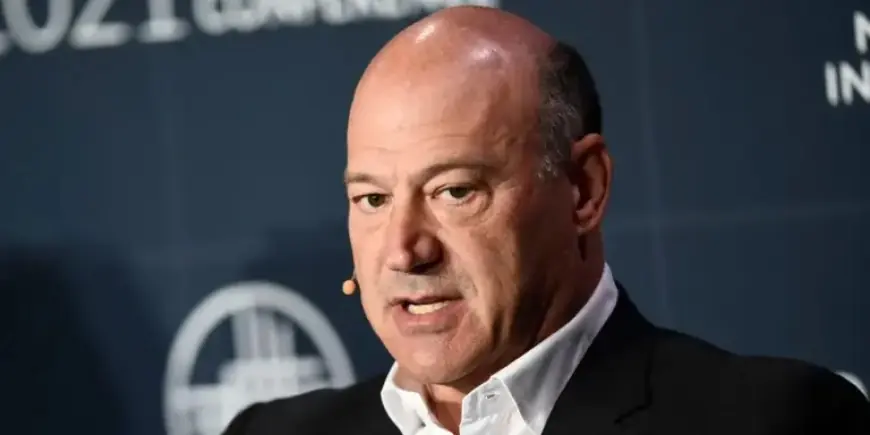
In the current financial landscape of the United States, a divide is emerging, characterized as a “K-shaped economy.” This term describes the growing disparity between the affluent and those facing economic hardship. Gary Cohn, the former chief economic advisor to President Donald Trump, emphasizes this divide, noting that while overall economic indicators may appear strong, many Americans struggle to make ends meet.
Current Economic Indicators
Cohn recently discussed the state of the economy on CBS’ “Face the Nation,” where he pointed to a projected 5% growth in the Gross Domestic Product (GDP). This figure suggests a robust economic performance. He also mentioned improvements in inflation and unemployment rates. However, Cohn warns these statistics do not reflect the struggles faced by many households.
The Struggles of Middle and Lower-Income Americans
Cohn outlined a critical flaw within the current economy; while the wealthy experience significant financial gains, hardworking Americans are burdened with high costs of living. “We have a massive wealth effect at the top end,” Cohn explained, highlighting the disparity faced by those at the lower end of the economic spectrum.
- Rising costs of food, rent, and basic necessities hit lower-income families the hardest.
- Many individuals are falling behind, unable to afford daily expenses.
- There exists a two-year affordability crisis, with increased borrowing costs forcing families to rely on credit.
The White House Response
In response to these challenges, Cohn noted that the Trump administration will prioritize affordability in its agenda. He indicated that the president plans to actively address this issue in public discussions leading up to the mid-term elections. “Affordability will be the issue between now and the mid-term elections,” Cohn remarked.
Future Economic Concerns
Experts are expressing apprehension about the economic outlook. Gregory Daco, chief economist at EY, highlighted the strain experienced by many consumers, emphasizing the necessity for families to dip into savings. He warned that slower income growth could exacerbate existing financial challenges.
Joe Brusuelas, chief economist at RSM, suggested that significant policy changes will be necessary to alter the current economic trajectory. However, he indicated that such changes may not come until after 2026. “The policy landscape is tilted toward the upper spur of the K,” he stated, predicting further widening of economic inequality in the near future.
The K-shaped economy presents a complex challenge, marking a significant period of disparity that could affect many Americans in the coming years.