




















Thousands Still Without Power in the South, Fear and Anger Intensify

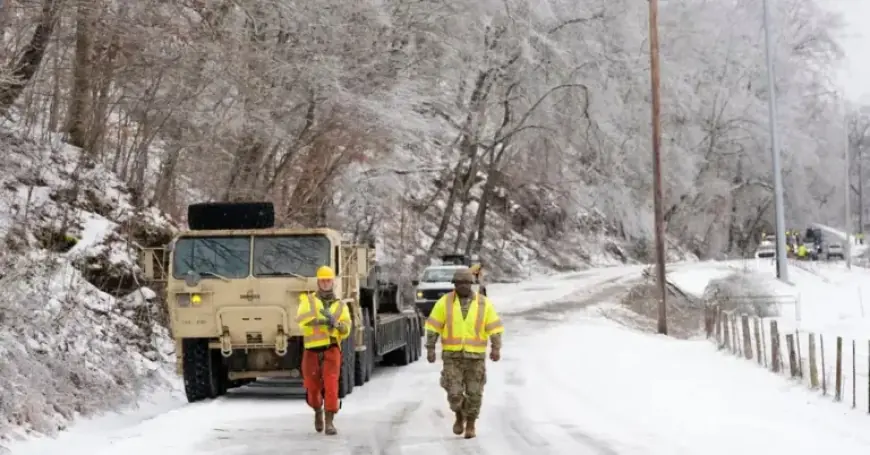
The recent ice storm has left thousands without power in the South, particularly affecting Tennessee, Mississippi, and Louisiana. As of Sunday, many residents marked a week without electricity or heat. The aftermath of this disaster has fostered deep feelings of fear and anger among the affected communities.
Storm Impact Overview
The ice storm resulted in extensive damage across multiple states, with Tennessee bearing the brunt. Reports indicate that more than 33,000 customers in Nashville alone were still without power as of early Sunday afternoon. Sadly, at least three dozen deaths have been linked to the storm’s effects.
Community Response
Residents have shown resilience amidst adversity. Community groups are actively providing food and shelter to vulnerable individuals. Friends and neighbors have opened their homes to those displaced by the outage. Grocery stores have seen increased activity as people seek to replace spoiled food.
- Organizations are distributing meals.
- Residents are coordinating support within their neighborhoods.
- Some individuals have relocated temporarily to homes out of state.
Local Leadership and Accountability
Anger is directed at local utility providers, particularly the Nashville Electric Service (N.E.S.). Nashville Mayor Freddie O’Connell expressed frustration over the agency’s slow response and inadequate communication regarding power restoration timelines. Officials from N.E.S. have indicated that some neighborhoods may not see full service restored until February 11.
Government Support and Resources
In Mississippi, approximately 700 National Guard troops have been deployed to assist with recovery efforts, with around 1,200 residents sheltering in warming centers. Tennessee Governor Bill Lee has requested federal assistance in the form of a disaster declaration, hoping to expedite support for affected residents.
Concerns for Vulnerable Residents
The prolonged outage has raised significant concerns for vulnerable populations. Reports of carbon monoxide poisoning have increased as residents resort to unsafe heating methods. Financial strain is also evident, with over 7,100 applications for assistance received in a single day in northeast Louisiana, emphasizing the urgent need for support.
Future Prospects
As recovery efforts continue, many residents grapple with the long-term impacts of this storm. The losses, not just in power but also in livelihoods, are significant. Community leaders urge that further action is needed to restore normalcy and prevent future crises.
Residents hope for timely restoration of power and actions from utility providers that prioritize their safety and well-being. The emotional toll of this disaster underscores the importance of community solidarity in facing such challenges.