


















Detroit Opera Transforms George Clinton’s Parliament-Funkadelic Hits into Classical Music

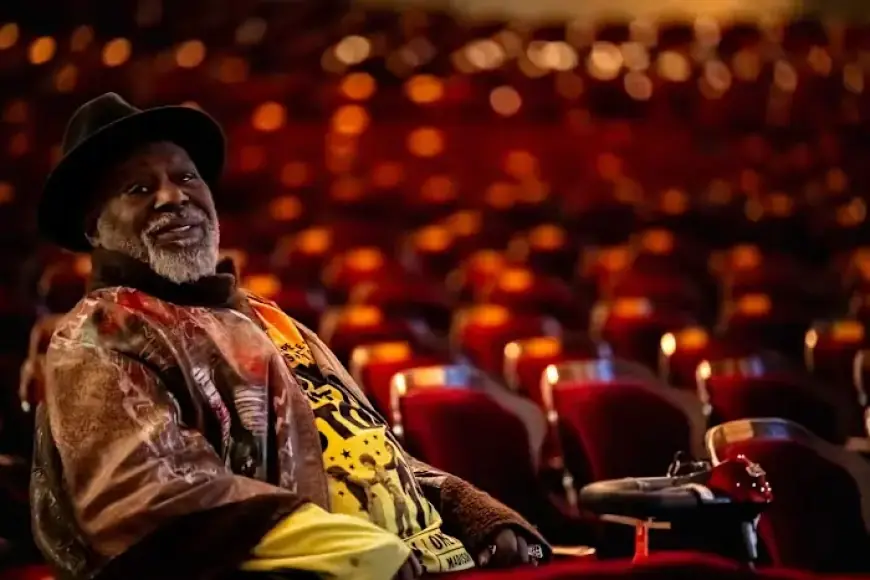
In a groundbreaking musical event, the Detroit Opera is set to present “Symphonic PFunk: Celebrating the Music of Parliament Funkadelic.” This unique performance will integrate the iconic hits of funk pioneer George Clinton and his band into a classical orchestra setting.
Orchestral Experience of Funk Music
The concert will take place this weekend, featuring renowned arranger and conductor Ray Chew. He asserts that this will be the first orchestral performance of Parliament-Funkadelic’s music, promising an innovative blend of instruments typically used for classical compositions. Chew’s enthusiasm for the project is palpable, describing Clinton’s work as ready to “explode through that orchestra.”
George Clinton: The Revolutionary Funk Icon
George Clinton, the 84-year-old mastermind behind Parliament-Funkadelic, expressed excitement about this orchestral adaptation. He has long anticipated this moment, stating, “We knew we were going to be doing this one day.” Clinton originally formed The Parliaments in 1955, and the group evolved over the years, producing timeless hits and establishing a significant cultural presence.
The Evolution of Parliament-Funkadelic
The transition from The Parliaments to Funkadelic began in 1967, with notable tracks such as “(I Wanna) Testify” gaining popularity. Throughout the 1970s, the ensemble operated under both names, delivering funk through layered harmonies and poignant lyrics. Notable figures, including keyboardist Bernie Worrell and guitarist Garry Shider, contributed to P-Funk’s success, creating music that engaged audiences both sonically and visually.
The Complexity of Funk
According to Rickey Vincent, a professor at the University of California, Berkeley, the complexities of funk music lend themselves well to orchestral arrangements. Vincent emphasizes that funk is about experimenting and reimagining musical structures. He states, “You can take an orchestra and do all kinds of funky things with it.” This experimentation aligns with Chew’s vision for the concert, where traditional orchestral instruments will be harmonized with a full string section, harp, and saxophones.
Performance Details
Although specific songs from the P-Funk catalog to be performed have not been disclosed, Chew indicates that a robust orchestra consisting of 47 players has been assembled. These musicians will collaborate with a small number of additional performers, including a keyboardist and guitarists, to bring the essence of funk into the classical realm.
- Event: Symphonic PFunk: Celebrating the Music of Parliament Funkadelic
- Conductor: Ray Chew
- Performance Size: 47 orchestra members
- Instruments: Strings, horns, harp, saxophones, keyboard, guitars
- George Clinton’s Expectation: Transforming funk into classical
Celebrating Funk Culture
Beyond its music, P-Funk is known for its vibrant stage presence, often featuring extravagant visuals like the “Mothership” — a central prop in their concerts. Clinton is currently engaged in creating new albums and reflects on the significance of returning to Detroit, stating, “I feel a future coming in the place where we have a helluva past.” The Detroit Opera’s orchestral adaptation promises to celebrate not just the music but the cultural legacy of funk as well.