























Nationwide Anti-ICE Protests Intensify as Judge Permits Minnesota Operation Metro Surge

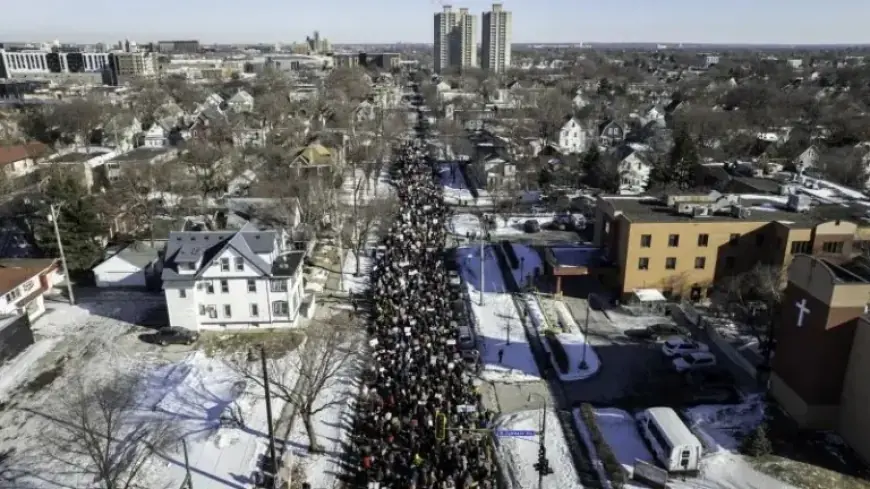
Nationwide protests against Immigration and Customs Enforcement (ICE) operations have gained momentum following a federal judge’s decision to allow Minnesota’s Operation Metro Surge to proceed. This operation has seen an increase in federal agents deployed to the Twin Cities, prompting significant public outcry and protests across the country.
Key Facts About Nationwide Anti-ICE Protests
On the same day that U.S. District Judge Katherine Menendez reaffirmed Operation Metro Surge, massive crowds gathered in cities nationwide to advocate for the removal of ICE agents. Protesters have labeled the federal immigration enforcement operation as a “federal invasion,” with calls for immediate cessation of ICE operations in various localities.
Judge’s Ruling and Its Implications
- Judge Menendez’s Decision: The ruling permits Operation Metro Surge to continue amid ongoing lawsuits from Minnesota’s local governments.
- Impact on Communities: The judge cited issues such as racial profiling and excessive use of force by federal agents. Reports indicated that this operation adversely affected school attendance and emergency response times.
- State’s Legal Challenge: Minnesota officials are arguing the administration’s actions violate the 10th Amendment rights.
President Donald Trump has directed Department of Homeland Security Secretary Kristi Noem to limit federal intervention in unrest in Democratic-controlled cities unless formally requested. This decision has drawn criticism from local leaders, including Minneapolis Mayor Jacob Frey.
Demonstrations Across the Nation
Protests have been reported in over 43 states, with a significant presence in Southern California, Oregon, Washington, New York, and Texas. Participants are advocating against ICE’s aggressive tactics and honor victims of shootings by federal agents in Minnesota.
- Peaceful Marches: In Minneapolis, demonstrations included memorial bike rides for victims like Alex Pretti, who died during these federal operations.
- Nationwide Strike: Organizers promoted themes of “No work, no school, no shopping,” leading to widespread school walkouts and business closures.
Lawmakers and public officials, including Minnesota Attorney General Keith Ellison, have emphasized their commitment to challenge the actions of the Trump administration in providing better protections for residents.
Future Legal and Social Developments
As protests continue, the situation remains fluid. The U.S. Department of Justice has initiated investigations into related incidents of violence. Advocates are also filing lawsuits challenging ICE’s policies concerning entry into homes without warrants.
In a related context, New York Governor Kathy Hochul is proposing legislation to prohibit local police collaborations with ICE, further intensifying the debate on immigration enforcement policies nationwide.
The impact of these protests and legal actions could potentially reshape how immigration enforcement operates in communities across the country while drawing attention to civil rights issues associated with federal police actions.