

























Bomb Cyclone Unleashes Intense Cold and Snow on the Southeast: NPR

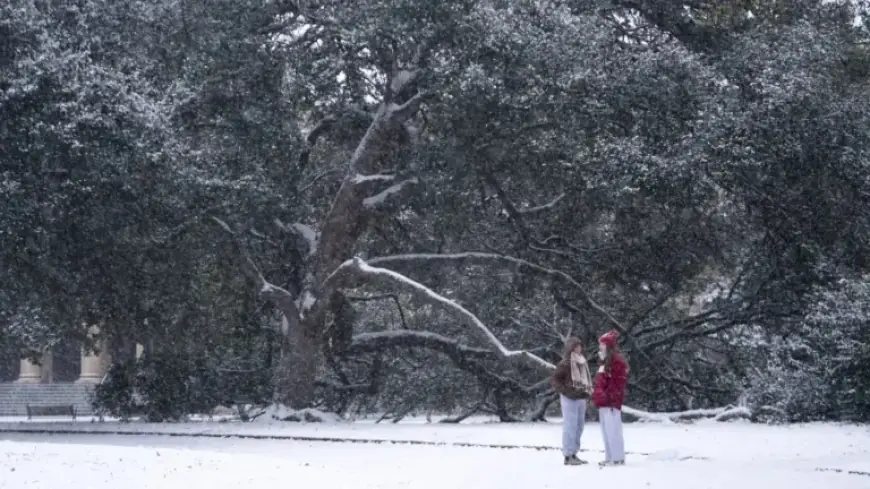
A recent winter storm, characterized as a bomb cyclone, has wreaked havoc across the Southeastern United States. It brought an unyielding chill and snow, impacting various states including Florida and North Carolina.
Cold Snap Grips Florida
Temperatures plunged into the 20s on Sunday morning, marking the coldest conditions in Florida since 1989, as reported by the National Weather Service (NWS). This abrupt cold snap has led to significant challenges for residents.
- The NWS in Melbourne confirmed new record lows for the date.
- Florida is ill-prepared for such frigid temperatures, with many residents lacking adequate heating and winter wear.
Despite the chill, many Floridians continued their outdoor activities. David Nolan, an atmospheric scientist at the University of Miami, noted that while people wore sweatshirts, they were still engaging in sports like golf and running. He remarked on the rarity of such cold snaps in recent years.
Iguanas and Wildlife Response
In response to the colder weather, the Florida Fish and Wildlife Conservation Commission issued an order permitting residents to remove cold-stunned iguanas. These reptiles can pose risks as they fall from trees due to the extreme cold.
Severe Snow in the Southeast
North Carolina also faced significant snowfall. The bomb cyclone resulted in over a foot of snow in some areas, far exceeding the typical seasonal accumulation for Charlotte.
- As of Sunday, more than 840 flights were canceled at Charlotte Douglas International Airport.
- Over 1,000 traffic accidents were reported, leading to two fatalities, prompting Governor Josh Stein to declare a state of emergency.
Authorities advised residents to stay indoors, as road conditions were perilous. Reports detailed numerous vehicles trapped on highways and impassable streets.
Widespread Impact and Fatalities
This winter storm has had far-reaching effects beyond just cold temperatures and snow. The storm previously impacted the northern and central East Coast, resulting in severe ice, snow, and coastal flooding. Tragically, the storm is linked to at least 44 fatalities across Mississippi and Tennessee, along with hundreds of thousands experiencing power outages.
As of Sunday, over 50,000 customers in Mississippi and more than 30,000 in Tennessee remained without electricity, with some areas facing prolonged outages for over a week. The storm’s aftermath underscores its severity and the ongoing impact on local communities.
Residents are advised to exercise caution and adhere to official guidelines as the effects of this bomb cyclone continue to unfold across the Southeast.