
























Snowy 2.0 Project Keeps $12 Billion Cost Details Under Wraps, Stays on Schedule

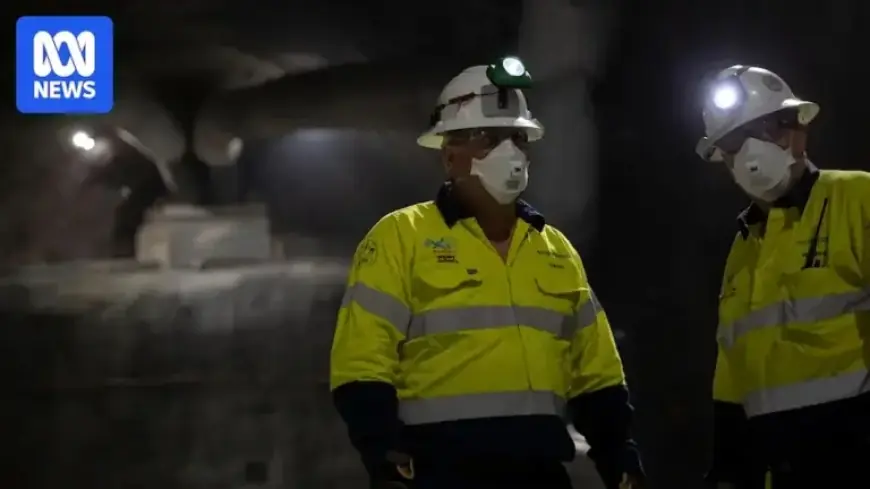
The Snowy 2.0 Project, Australia’s largest renewable energy initiative, remains on schedule to commence power generation by the end of 2028. However, details regarding its additional funding requirements remain undisclosed as the project experiences further cost overruns beyond its original $12 billion estimate.
Cost Challenges and Project Progress
Snowy Hydro has faced significant financial challenges, with costs reportedly inflating by $10 billion since the project’s inception. Initially budgeted at $2 billion, the price tag was revised to $6 billion after thorough feasibility studies. Subsequent assessments increased the budget to the current $12 billion, with further funding requests expected after a detailed review.
Current Status of Snowy 2.0
- Completion Level: Approximately 70% of the project has been completed.
- Location: The hydropower station is located 800 meters underground at Kosciuszko National Park.
- Capacity: Snowy 2.0 is slated to provide up to 2,200 megawatts of electricity, acting as a substantial energy “battery” for wind and solar power.
- Excavation Work: Around-the-clock operations are underway, employing approximately 5,500 workers.
Snowy Hydro chief executive Dennis Barnes noted that the most significant hurdles are now behind the project, and a line-by-line funding reassessment will conclude in the first half of 2026. Though he has not disclosed how much excess funding is required, he indicated that ongoing complexities at the site necessitate careful evaluations before announcing any updates.
Equipment Upgrades and Safety Measures
To mitigate delays caused by previous machinery issues, the project recently acquired a fourth tunnel-boring machine (TBM) named Monica, which is expected to commence operations on February 19. This $75 million machine is designed to traverse the challenging geological conditions and was unveiled on January 30, 2025. In contrast, the previous TBM, Florence, encountered multiple setbacks, including becoming stuck in hazardous ground conditions.
Safety concerns have been a significant aspect of the project, with incidents involving toxic gases and structural integrity prompting scrutiny. Barnes acknowledged that previous expectations about cost assessments were flawed and emphasized the need for a thorough review moving forward.
Government Oversight and Future Implications
Federal Energy and Climate Change Minister Chris Bowen has expressed disappointment regarding the project’s financial overruns but remains committed to ensuring its successful completion. In his remarks during Monica’s official launch, he commended the workforce, emphasizing their crucial role in realizing the project.
As the Snowy 2.0 Project moves closer to completion, it represents a critical investment in renewable energy infrastructure, despite its escalating costs and operational challenges. The project’s future success will rely on effective management of resources, safety, and transparency with stakeholders.